 Cedar-IBSi FinTech Labs
 Analyst Briefings
 Get in touch
 Back
Back
Intrum reports a rise in financial health disparities among European customers during COVID-19
By Megha Bhattacharya
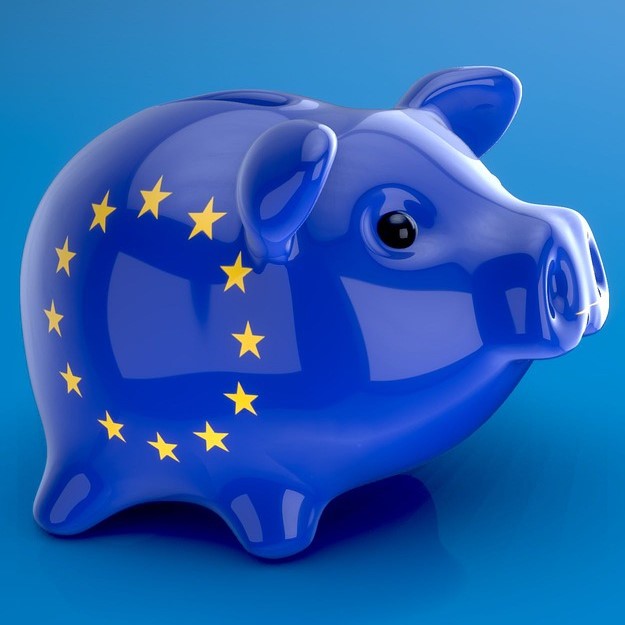 Intrum’s Financial Wellbeing Barometer has revealed the disparities in financial wellbeing among consumers in Europe as the continent continues to struggle with the second wave of COVID-19 pandemic. The research has stated that pre-existing household debt and financial instability has been aggravated by the pandemic in southern Europe but household incomes in countries such as Germany have been protected by well-defined stimulus measures.
The Financial Wellbeing Barometer measures and presents an aggregated score on financial wellbeing for consumers across 24 countries. Germany has maintained its top position followed by Austria and Estonia, while Spain, Italy and Greece have fallen in the rankings.
Italy’s decline can be attributed to the contractions in employment levels in April and May that hit income, thus aggravating consumers’ financial wellbeing. Spain, with its major tourism workforce, has also been affected adversely due to the ongoing pandemic.
 “It is evident that households in countries that already suffered from financial instability and high unemployment rates going into the pandemic have been worse off in terms of financial health as we leave 2020 behind. This past year has stressed the importance of having a financial safety net, and going into the new year, it is vital that households take additional measures to better manage their personal finances”, said Anette Willumsen, Managing Director CMS Sales & Service Development and Markets at Intrum.
Intrum’s barometer presents an overall financial wellbeing score for each country – an aggregate ranking that combines scores (1-10) across three pillars, including calculations that consider key indicators relating to consumers` debt-to-income ratio. The three pillars are the ability to pay bills, save for the future, and financial literacy.
“Our research suggests that it is easier for some to achieve financial security than others due to individual financial circumstances and the broader macroeconomic landscape. There is no silver bullet, but nonetheless, with financial education and guidance from both public institutions as well as financial services firms, consumers are enabled to make better decisions when it comes to one’s personal finances”, Anette Willumsen concludes.



IBSi FinTech Journal
- Most trusted FinTech journal since 1991
- Digital monthly issue
- 60+ pages of research, analysis, interviews, opinions, and rankings