 Cedar-IBSi FinTech Labs
 Analyst Briefings
 Get in touch
 Back
Where humans still matter in AI-led lending

By Anil Sinha, CTO, Fibe
India’s FinTech lending ecosystem has grown to a point where technology is no longer just making lending faster. It is changing how credit is assessed, decisions are made, and loans reach people. FinTech personal loan originations reached approximately ₹11.4 trillion in Fiscal 2026, with volumes touching 172.6 million loans. FinTech NBFCs accounted for nearly 77% of origination volumes.
That scale is now setting the stage for a very different kind of lending. With Agentic AI, systems can move beyond analysing information to taking actions, making credit decisions faster, more adaptive and increasingly autonomous. But as machines take on more of the lending journey, one question becomes harder to ignore. “When the data does not tell the whole story, who comes in to make the call?” Here, Human Judgement still matters.
When speed meets complexity
Digital lending has expanded because technology can evaluate large volumes of information quickly and consistently. FinTech personal lending grew at approximately 41.4% CAGR in value and 36.7% CAGR in volume between Fiscal 2020 and Fiscal 2026. It also highlights that loans below ₹2 lakh represented approximately 74% of FinTech NBFC personal loan volumes in Fiscal 2026.
But greater scale also means greater complexity. A credit model may identify an unusual pattern, an automated system may flag an application as suspicious, and an agentic system could potentially respond to that signal and initiate the next step without waiting for human instruction.
This is where human judgment becomes essential. Credit decisions ultimately affect people’s lives. A model can identify risk signals, but a human can question whether those signals make sense in context, examine exceptions, challenge an unexpected outcome and determine when a case deserves closer attention rather than an automated response.
The fraud challenge is becoming more human
Deepfake-based fraud is one of the top threats facing Indian financial services.
Deepfakes can exploit something technology alone cannot easily quantify, trust. A synthetic voice, manipulated video or convincing impersonation can make a fraudulent interaction appear legitimate. AI will undoubtedly be part of the defence. Behavioural analytics, anomaly detection and stronger identity verification can help identify suspicious activity. But when a case falls outside established patterns, human investigation can provide the final layer of judgement.
Agentic AI needs accountable humans
As these systems become more autonomous, the need for clear human accountability becomes even sharper. Traditional automation follows predefined rules, while Agentic AI can potentially interpret information, make decisions and initiate actions across a workflow. That creates enormous potential but also makes accountability and oversight more important.
Questions around who reviews an AI decision that affects a borrower’s access to credit, who investigates an unusual outcome and who decides when a system should stop and escalate cannot be purely technological questions. They require clear human ownership of consequential decisions.
The RBI’s FREE-AI framework, released in August 2025, reinforces this direction by placing principles such as Fairness, Reliability, Explainability and Ethics at the centre of responsible AI adoption in financial services. The implication is not that financial institutions should slow innovation, but that innovation must remain accountable.
The future is not AI versus humans
India’s lending ecosystem is already deeply digital, with technology-led lending becoming an increasingly mainstream retail credit channel supported by digital delivery, faster turnaround and expanding access. The next phase should therefore focus less on replacing human involvement and more on placing it where it creates the greatest value.
AI can process scale. Humans can interpret context. AI can detect patterns. Humans can question them. AI can act quickly. Humans can provide accountability. The smartest lending systems of the future will not remove humans from the decision loop. They will make human judgment more meaningful.
As Agentic AI transforms lending, financial institutions should ask not only what can be automated, but also what should remain human. The next step is to design AI systems with clear human checkpoints, accountable decision-makers and strong escalation mechanisms, so that technology earns trust rather than simply assuming it.
Previous Article
October 21, 2026
How EU Digital Identity Wallets will reshape identity verification in digital payments
Read MoreIBSi News

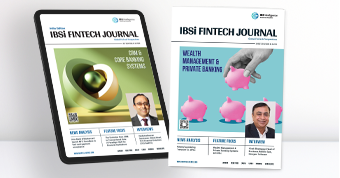
Get the IBSi FinTech Journal India Edition
- Insightful Financial Technology News Analysis
- Leadership Interviews from the Indian FinTech Ecosystem
- Expert Perspectives from the Executive Team
- Snapshots of Industry Deals, Events & Insights
- An India FinTech Case Study
- Monthly issues of the iconic global IBSi FinTech Journal
- Attend a webinar hosted by the magazine once during your subscription period
₹200 ₹99*/month
* Discounted Offer for a Limited Period on a 12-month Subscription
IBSi FinTech Journal
- Most trusted FinTech journal since 1991
- Digital monthly issue
- 60+ pages of research, analysis, interviews, opinions, and rankings
Other Related Blogs
October 21, 2026
How EU Digital Identity Wallets will reshape identity verification in digital payments
Read MoreOctober 19, 2026
Building Wealth in Your 20s and 30s: Why Income Matters as Much as Growth
Read MoreOctober 14, 2026
Agentic AI could transform UK banks – but only if they stop playing it safe
Read MoreRelated Reports
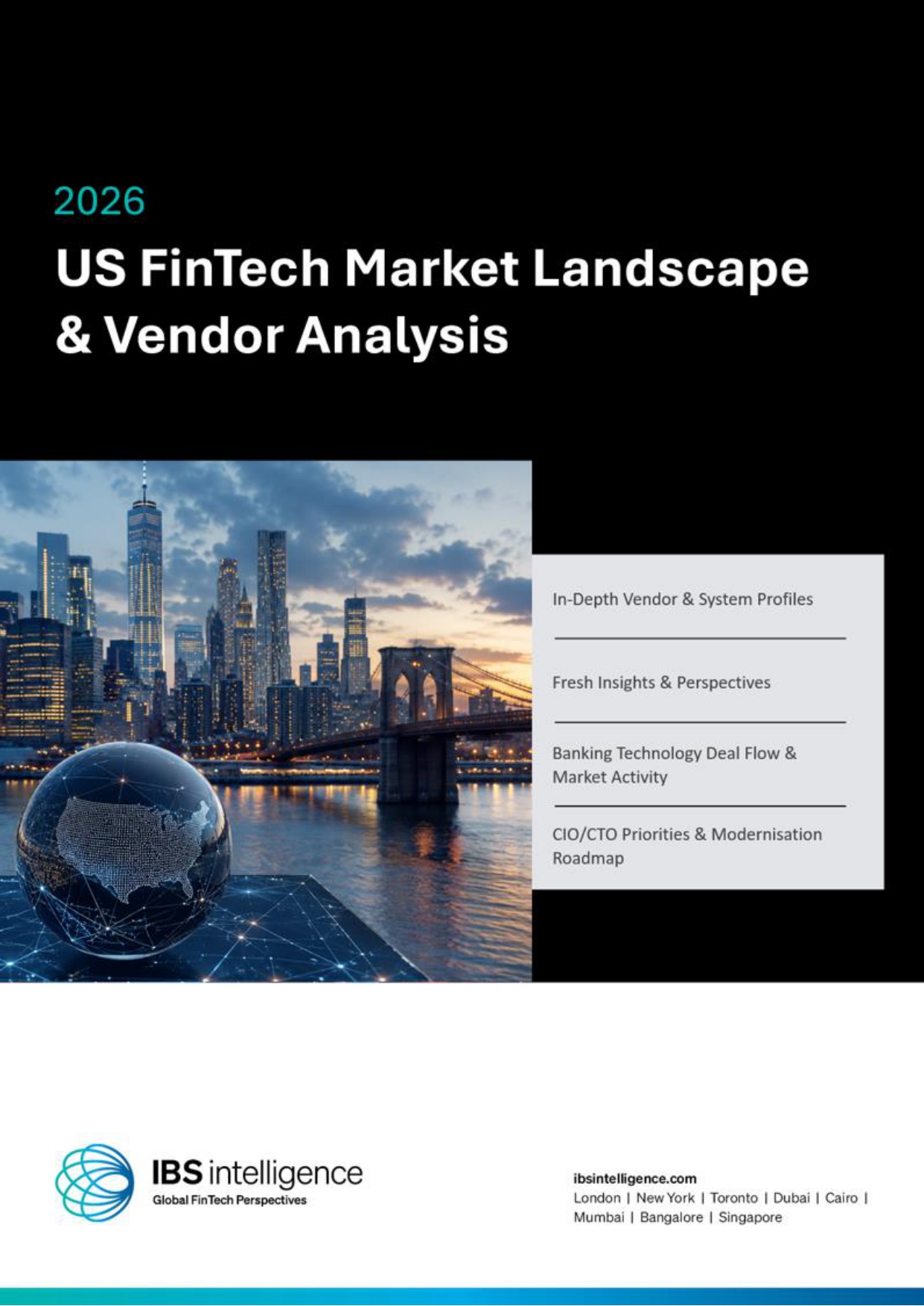
US FinTech Market Landscape & Vendor Analysis 2026
Know More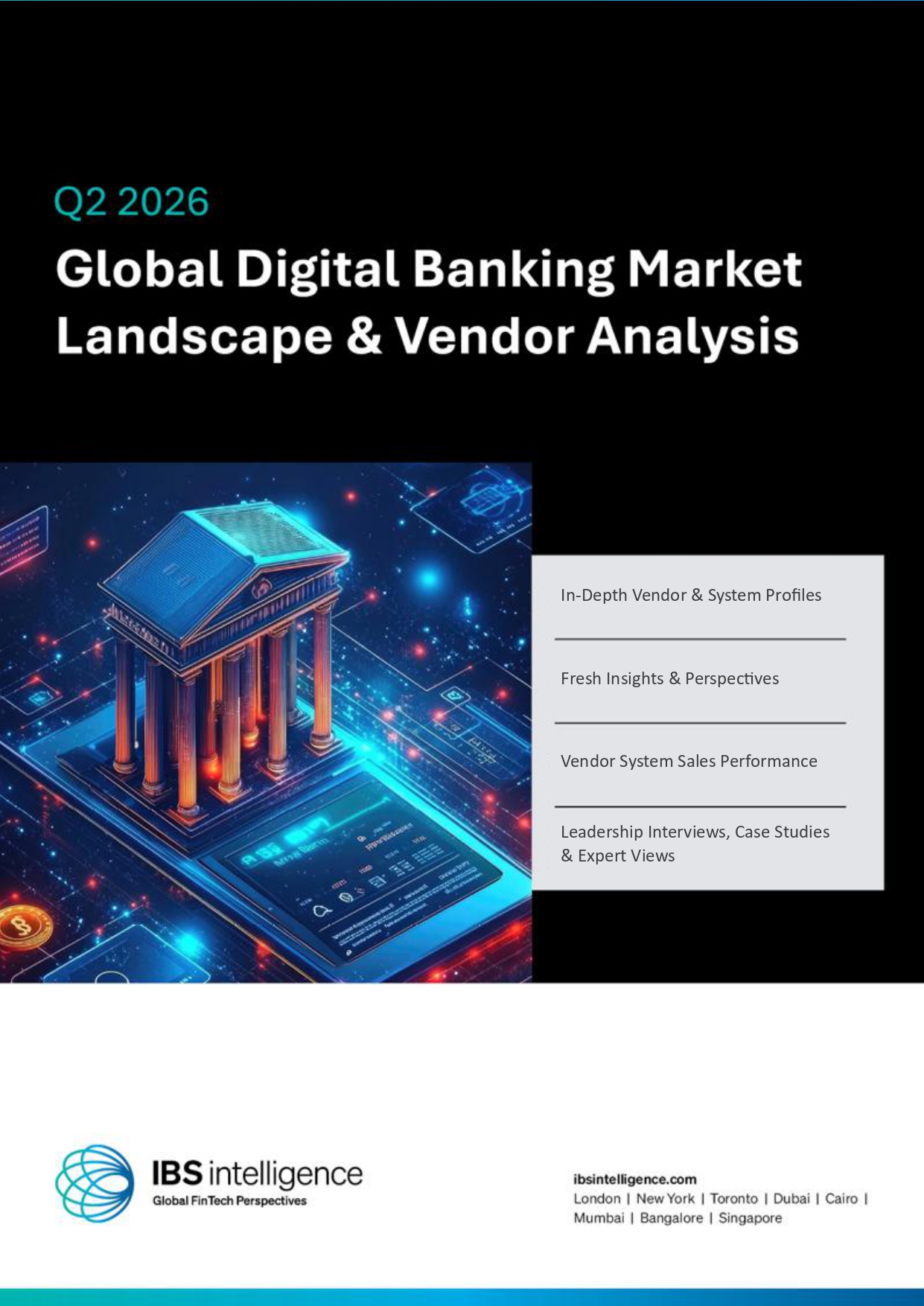
Global Digital Banking Market Landscape & Vendor Analysis Q2 2026
Know More
Wealth Management & Private Banking Systems Report Q4 2025
Know More
US FinTech Market Landscape & Vendor Analysis 2026
Know More