 Cedar-IBSi FinTech Labs
 Analyst Briefings
 Get in touch
 Back
Building Wealth in Your 20s and 30s: Why Income Matters as Much as Growth

By Bhavin Patel, Co-Founder & CEO, Vartis Platforms
India is entering a new phase of wealth creation. As financial markets deepen and investment avenues become more accessible, building wealth is no longer just about earning more; it is increasingly about allocating capital more intelligently. The conversation is gradually shifting from “How much do I earn?” to “How effectively do my assets work for me?
A single paycheck no longer ensures how financially secure you can be. Soaring aspirations, rising living costs, and economic uncertainty are prompting young Indians to reconsider how they build their wealth. More people are realising that financial stability is not just about making more money but about building a stronger portfolio and adding investment options that generate long-term cash flows alongside earned income.
From travelling the world and pursuing higher education to starting a business or achieving financial independence, today’s aspirations demand greater financial flexibility. Building a passive revenue portfolio in your 20s and 30s can help create that financial cushion while allowing your investments to grow alongside your salary.
Every investment made today has the potential to strengthen your financial future tomorrow. Starting early simply gives that potential more time to grow.
One of the biggest mistakes young investors make is treating investing as a search for the highest-return product. In reality, sustainable wealth and a strong portfolio are rarely built by finding the perfect investment; they are built through disciplined portfolio construction over time.
Your Biggest Financial Advantage is TIME
The one significant advantage that young investors have is ‘time.’ The sooner you begin, the more compounding works in your favour. Your investment earnings begin to earn their own returns, producing a snowball effect over the years. Even modest, steady contributions can build into meaningful wealth if you give them enough time.
Time is valuable not only because it compounds returns but because it allows investors to remain invested through multiple market cycles. Wealth is often created by patience during uncertainty, not by timing every opportunity correctly.
Reinvesting the profits generated from your investments, whether through dividends, interest, or other earnings, further accelerates the process. If you do this and don’t withdraw these earnings, your wealth grows faster without you having to increase much of your monthly contribution.
If you wait until you’re in your 40s to begin investing, you’ll frequently have to invest a lot more money each month to meet the same financial targets that you could have reached by investing smaller amounts earlier.
Build Income along with Long-Term Growth
A good passive income portfolio is not dependent on one asset class. It combines investments for long-term capital appreciation with those that provide regular earnings, setting a stronger foundation for financial security.
One of the most overlooked principles of investing is that every asset should have a defined role within a portfolio. Some assets are designed to create long-term capital appreciation, while others are meant to generate predictable cash flows or provide stability during periods of market volatility. Strong portfolios are built on balance, not concentration.
The question investors should ask is not “Which investment is best?” but “What role should this investment play within my overall portfolio?”
Growth-oriented investments such as equity mutual funds and quality stocks help create wealth over time and have the potential to outpace inflation. Systematic Investment Plans (SIP’s) can help investors stay disciplined and benefit from rupee cost averaging amid market swings.
Along with this, investments such as dividend-paying stocks, fixed-income products, and RBI-regulated peer-to-peer lending platforms can play a role in a diversified income portfolio by providing access to alternative income opportunities, subject to an investor’s risk appetite and appropriate diversification. The objective is to build a portfolio where growth assets and income-generating investments complement each other.
Diversification Makes Portfolios More Robust
Markets move in cycles, and no investment will always perform in all economic conditions. That’s the reason why diversification remains one of the best ways to strengthen a passive income portfolio.
Diversification is often misunderstood as simply owning multiple investments. In reality, it is about ensuring that different assets respond differently to changing market conditions. The objective is not to maximise returns every year, but to build resilience across market cycles.
Even when equity markets experience volatility, fixed-income products can deliver reliable returns. Dividends may continue flowing to shareholders from dividend-paying companies even during uncertain times. Investing across a mix of asset classes can help improve portfolio stability while reducing the impact of market volatility.
Having multiple earning streams also means less dependence on a single salary or investment. More importantly, it helps investors avoid liquidating long-term investments during market downturns to meet short-term financial needs.
Think Beyond Returns and Focus on Financial Freedom
The objective is not to chase the highest returns or jump on every new investment fad. This means knowing how different assets function, how risky they are, and putting together a mix of assets that fits your financial goals, how long you want to invest, and how much risk you want to take.
Investors often focus exclusively on portfolio value while overlooking portfolio cash flows. A well-designed investment portfolio should not only appreciate over time but also gradually develop the ability to generate predictable income that supports future financial decisions.
This technique delivers a lot more than short-term profits for investors in their 20s and 30s. It offers greater financial independence while helping build long-term wealth. Consistent investment earnings can help you fund life ambitions, make professional changes, and build a financial shield for challenging times. After all, income builds your lifestyle, but assets build your financial independence.
Financial independence is often viewed as a destination. In reality, it is a gradual process of reducing dependency on active income by building assets capable of generating sustainable cash flows. The transition doesn’t happen overnight it happens through years of disciplined investing, thoughtful diversification, and consistent capital allocation.
Starting early is no longer just about retiring with a larger corpus. It is about giving yourself more choices throughout life. A thoughtfully constructed passive income portfolio allows your investments to work alongside your salary today while steadily reducing your dependence on it tomorrow.
Ultimately, wealth is not defined by the size of your portfolio alone, but by the financial freedom it creates. The strongest portfolios are those that combine growth, resilience, and sustainable income over time. For young investors, the greatest advantage is not finding the perfect investment; it is giving disciplined investing enough time to work.
Previous Article
October 14, 2026
Agentic AI could transform UK banks – but only if they stop playing it safe
Read MoreIBSi News

October 19, 2026
Digital Payments
Small transfers dominate stablecoin activity on BNB Chain, study shows
Read MoreGet the IBSi FinTech Journal India Edition
- Insightful Financial Technology News Analysis
- Leadership Interviews from the Indian FinTech Ecosystem
- Expert Perspectives from the Executive Team
- Snapshots of Industry Deals, Events & Insights
- An India FinTech Case Study
- Monthly issues of the iconic global IBSi FinTech Journal
- Attend a webinar hosted by the magazine once during your subscription period
₹200 ₹99*/month
* Discounted Offer for a Limited Period on a 12-month Subscription
IBSi FinTech Journal
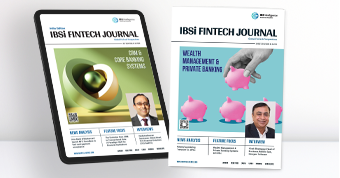
- Most trusted FinTech journal since 1991
- Digital monthly issue
- 60+ pages of research, analysis, interviews, opinions, and rankings
Other Related Blogs
October 14, 2026
Agentic AI could transform UK banks – but only if they stop playing it safe
Read MoreOctober 06, 2026
Ecosystems, Not Tools: Why Partner Strategy Now Defines Global FinTech Winners
Read MoreRelated Reports
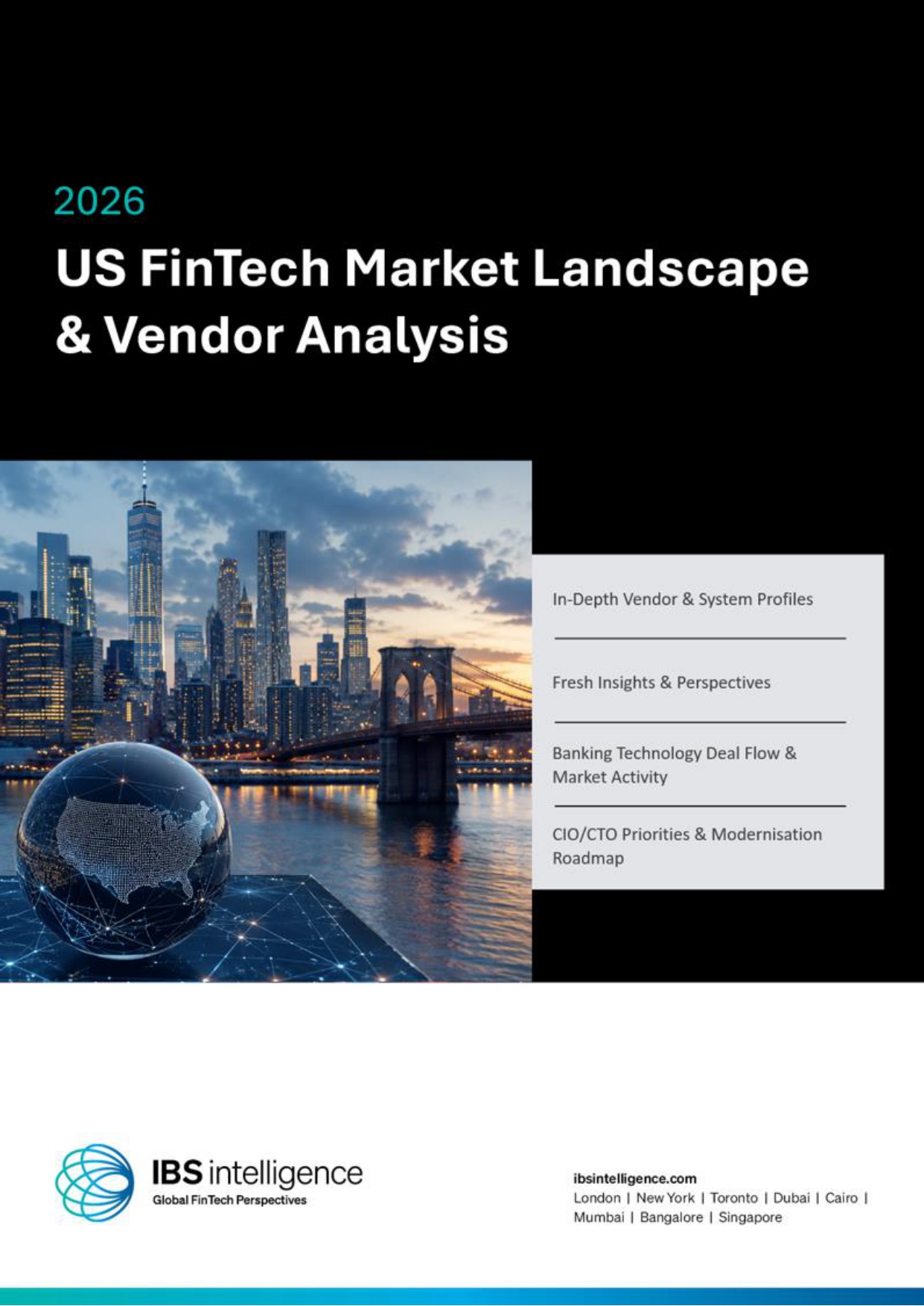
US FinTech Market Landscape & Vendor Analysis 2026
Know More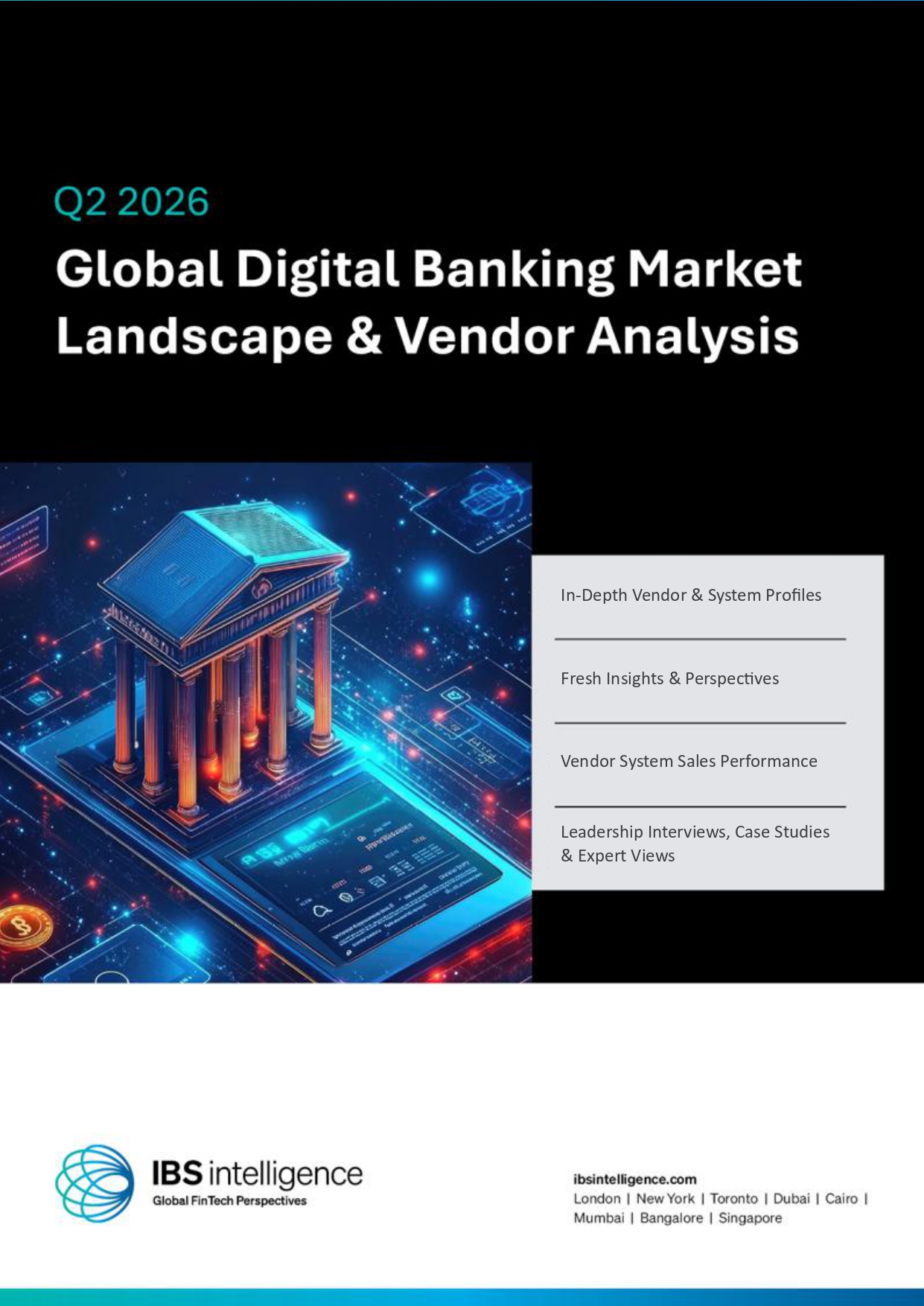
Global Digital Banking Market Landscape & Vendor Analysis Q2 2026
Know More
Wealth Management & Private Banking Systems Report Q4 2025
Know More
US FinTech Market Landscape & Vendor Analysis 2026
Know More