 Cedar-IBSi FinTech Labs
 Analyst Briefings
 Get in touch
 Back
Back
AI-driven challenger banks redefine banking models
By Milan Rojan
 Digital-native challenger banks have redefined traditional banking models through artificial intelligence, cloud-based infrastructure and agile operating frameworks, according to insights released by Dubai International Financial Centre (DIFC).
The findings have indicated that challenger banks have introduced new approaches to efficiency, personalisation and innovation, contributing to increased pressure on incumbent institutions to advance digital transformation initiatives.
According to DIFC, artificial intelligence has been identified as a key driver of banking transformation. Financial institutions have leveraged AI to improve operational efficiency, enhance customer engagement and support decision-making processes. Challenger banks have also adopted cloud-native architectures and data-driven business models, which DIFC said have supported scalability and operational efficiency.
Arif Amiri, Chief Executive Officer of DIFC Authority, said: “The Future of Finance report series is intended to spark meaningful dialogue and provide actionable insights for industry leaders. As the financial services sector undergoes unprecedented transformation, resilience and adaptability have become essential attributes for long-term success.”
The analysis has suggested that traditional banks have faced increasing pressure to modernise legacy systems and develop more agile operating models. It has further suggested that institutions that have embraced technological innovation may be better positioned to respond to changing customer expectations and market conditions.
DIFC has also noted that banking profit pools could face pressure if organisations fail to adapt to evolving competitive dynamics. As a result, resilience, innovation and operational flexibility have become areas of focus for many institutions across the sector.
The findings have additionally identified opportunities across emerging markets, where rising incomes, expanding middle classes and increasing regional trade activity have contributed to demand for financial services. Entrepreneurs, family offices, women and ultra-high-net-worth individuals have increasingly sought personalised and digitally enabled banking experiences, creating new considerations for financial institutions.
Amiri added: “The banking industry is at an inflection point. Institutions that successfully embrace technological innovation while maintaining customer trust and operational resilience will be best placed to thrive in the years ahead.”
DIFC has stated that its ecosystem of banks, FinTech firms and innovation-focused organisations has strengthened Dubai’s position as a financial hub connecting markets across the Middle East, Africa and Asia. The centre has also stated that collaboration between established institutions and technology-driven challengers is expected to play an important role in the sector’s ongoing evolution as firms pursue growth and operational resilience.



IBSi FinTech Journal
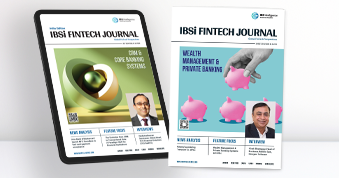
- Most trusted FinTech journal since 1991
- Digital monthly issue
- 60+ pages of research, analysis, interviews, opinions, and rankings
Other Related News
Related Reports
US FinTech Market Landscape & Vendor Analysis 2026
Know More
Global Digital Banking Market Landscape & Vendor Analysis Q2 2026
Know More
Wealth Management & Private Banking Systems Report Q4 2025
Know More
US FinTech Market Landscape & Vendor Analysis 2026
Know More