 Cedar-IBSi FinTech Labs
 Analyst Briefings
 Get in touch
 Back
Back
SGX-Nasdaq link aims to pull more FinTech IPOs to Singapore
By Aarav Garg

Singapore is moving to make it easier for companies to list across borders, in a reform that could strengthen its appeal to FinTech and other growth companies looking for access to deeper pools of capital.
The Securities and Futures (Amendment) Bill will create a new framework to support dual listings on the Singapore Exchange and an eligible overseas exchange, starting with the Global Listing Board, a new bridge between SGX and Nasdaq. The aim is to let issuers use one prospectus and a more closely aligned set of rules, reducing duplication and compliance costs.
For FinTech companies, the changes could be especially relevant. Many firms in payments, digital banking, software and infrastructure are built for regional or global markets from the start, but often face friction when trying to raise capital across multiple jurisdictions. A more streamlined dual-listing route could make Singapore a more attractive venue for those businesses as they scale.
The reform also reflects Singapore’s broader effort to keep its capital markets competitive. Authorities have already moved to support equities trading, liquidity and research coverage, while market activity has shown signs of recovery. The new bill builds on that momentum by making the listing process more efficient and by giving issuers a clearer pathway to tap both local and international investors.
Under the new structure, Singapore will be able to align selected regulatory requirements with compatible overseas markets that meet international standards. The first example is the US, which qualifies for the new framework. The approach is designed to preserve regulatory quality while reducing unnecessary differences in listing rules and offering documents.
Chee Hong Tat, Minister for National Development, and Deputy Chairman of the Monetary Authority of Singapore, said, “Dual listings can bring benefits for many stakeholders in Singapore’s equities market ecosystem. In the case of the GLB, regional issuers will have easier access to complementary sets of investors on both exchanges, while benefitting from better brand recognition. Through this, the GLB can attract more diverse issuers to list in Singapore, which will add energy and dynamism to our equities market. This in turn creates opportunities for local service providers, including lawyers, accountants and other financial intermediaries. Investors will also gain access to a broader range of high-quality investment opportunities.”
He added, “There has been broad industry support for this Bill and the GLB. MAS has considered the feedback received and taken them on board where appropriate.”
The bill also includes wider changes for all listings in Singapore. Issuers will be able to test investor interest using preliminary prospectuses, rather than waiting only for final documents. Rules for depositary receipt offerings are also being clarified to improve transparency for investors.
Singapore wants to remain a launchpad for companies that need capital, scale and cross-border reach. Easier dual listings could help more regional technology and financial services firms build liquidity, expand their investor base and strengthen their visibility in global markets.
The legislation still needs to complete the formal approval process, but the direction is already clear. Singapore is trying to make public markets work more like the businesses it wants to attract: faster, more connected and less constrained by borders.



IBSi FinTech Journal
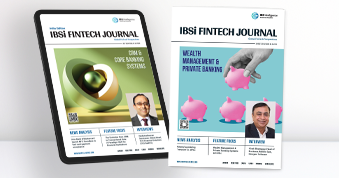
- Most trusted FinTech journal since 1991
- Digital monthly issue
- 60+ pages of research, analysis, interviews, opinions, and rankings
Other Related News
Related Reports
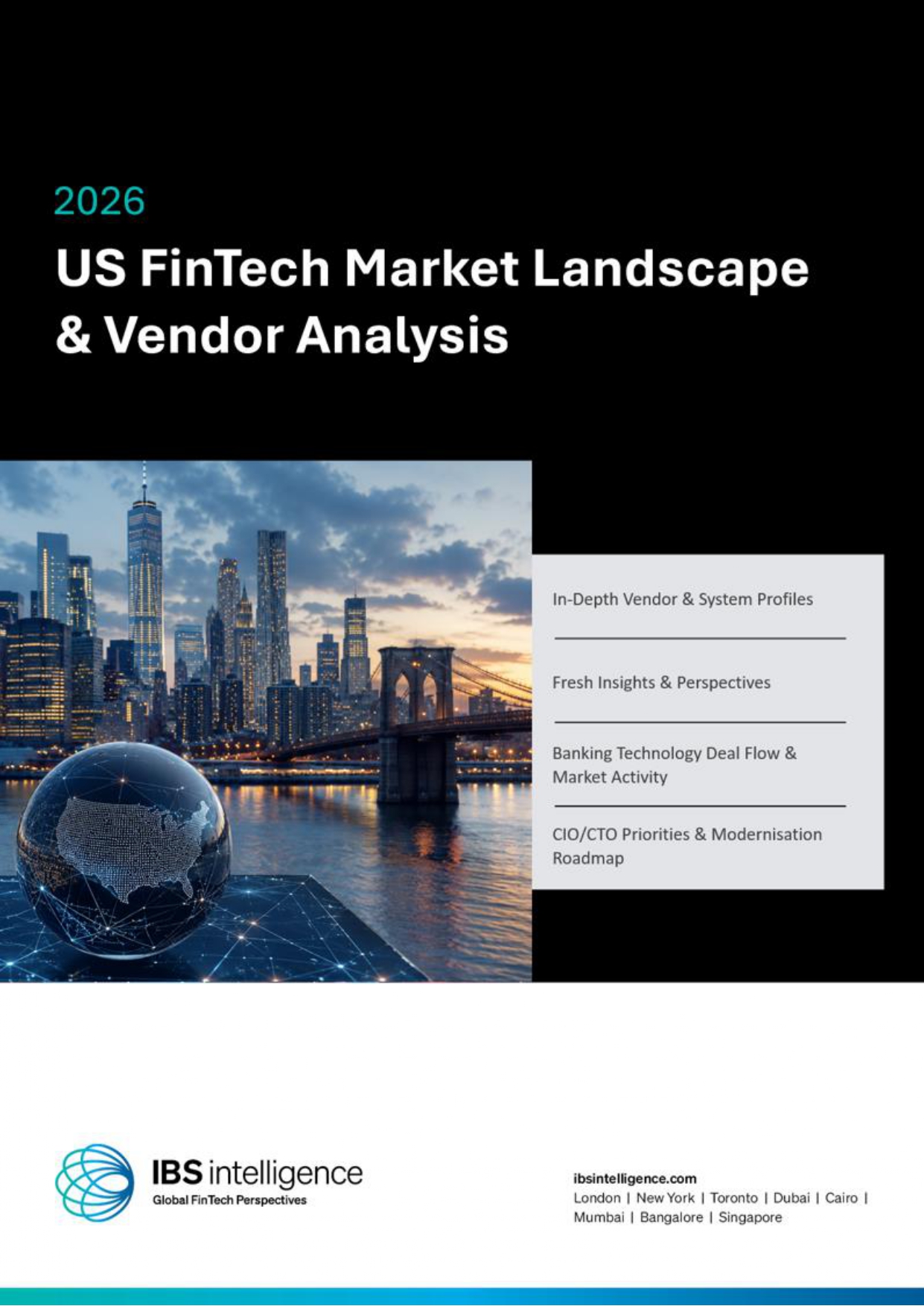
US FinTech Market Landscape & Vendor Analysis 2026
Know More
Global Digital Banking Market Landscape & Vendor Analysis Q2 2026
Know More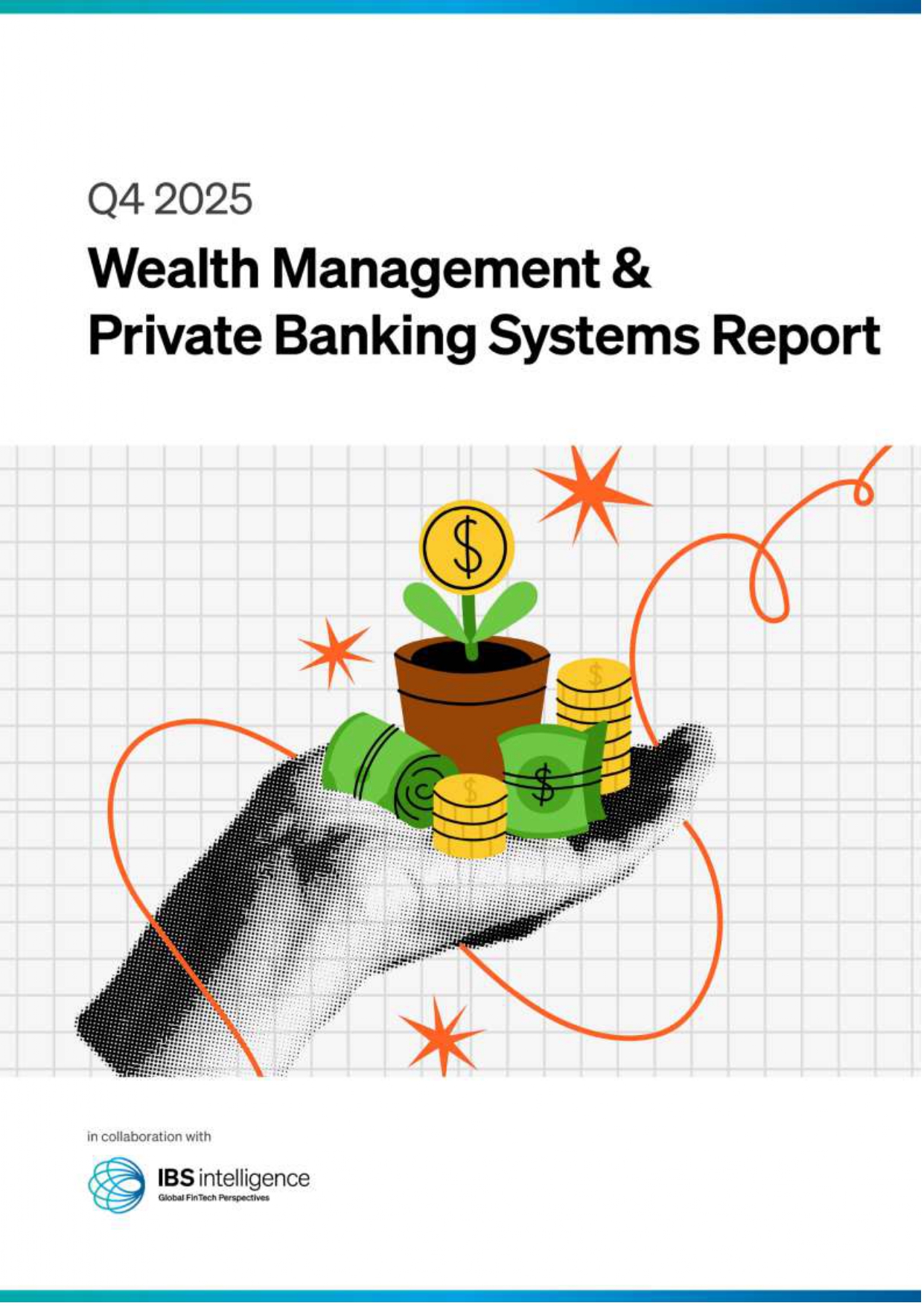
Wealth Management & Private Banking Systems Report Q4 2025
Know More
US FinTech Market Landscape & Vendor Analysis 2026
Know More