Cedar-IBSi FinTech Labs
 Analyst Briefings
 Get in touch
 Back
Back
Merchants trust AI more than customers, raising FinTech risks
By Puja Sharma
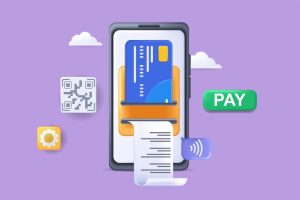 The agentic commerce gold rush is on, but are merchants accounting for risk?
- Ravelin’s Agentic Commerce and Fraud Report 2026 reveals rapid agentic adoption across eCommerce
- But growing fraud risks and unclear liability raise concerns about embracing AI shopping too quickly
Enterprise eCommerce merchants are racing to integrate AI-powered shopping – known as agentic commerce – at unprecedented speed, but new research suggests adoption may be happening faster than they can safely manage, leading to increased risks and potential fraud. According to Ravelin’s Agentic Commerce and Fraud Report 2026, the technology is rapidly moving from an emerging concept to wider adoption by enterprise merchants, creating a gold-rush moment as businesses move quickly to avoid being left behind.
Nearly half of merchants (44%) surveyed say they are already integrating agentic protocols, with a further 32% set to follow within six months. Just 6% have no plans to integrate agentic AI protocols yet. Meanwhile, 42% of respondents are going further, planning to build their own custom agents. And merchants expect agentic to account for between 6% and 30% of transactions within three years.
But while many are rushing to adopt the new technology, less than a third of merchants (29%) report feeling very prepared to handle agentic commerce, including its security and fraud implications, according to the report.
New fraud risks
While agentic commerce promises increased exposure and more opportunities to sell products and services, it also introduces new avenues for crime and fraud. The report highlights emerging threats, including agent hijacking, fraudulent agents impersonating legitimate AI, fake environments designed by agents to extract sensitive data, and bad actors deploying their own agents to scale their fraud and abuse.
Liability
There are also unresolved questions around liability and accountability. If an AI agent makes a fraudulent purchase, it is currently unclear who would be responsible: the merchant, the agent provider, the protocol builder or the consumer?
There is also uncertainty of who is liable if the agentic transaction is linked to fraud – when a stolen card has been used by the agent and the cardholder files a chargeback request, or when someone submits a fraudulent refund request.
A question of trust
More than half (53%) of eCommerce merchants say they trust AI agents more than human shoppers, versus 47% who trust humans more. For merchants, one of the reasons for the adoption of agentic could be a growing distrust of their own customers, according to the report, as fraud, refund abuse, and policy exploitation continue to rise. But expecting more from AI agents might be problematic in itself, since they introduce a wide range of new opportunities for bad actors.
The consumer view
While merchants are moving quickly, many consumers remain cautious, with more than half expressing concerns about fraud and security when shopping via AI agents. Ravelin CEO, Martin Sweeney, said, “Every major shift in online commerce has created new opportunities for fraud, and this will be no different. “Merchants must take a balanced and considered approach. Fraud has consistently evolved alongside innovation. Without the right safeguards, businesses risk embedding new vulnerabilities into the next generation of eCommerce. “The businesses that succeed will be those that move forward with a clear understanding of both the opportunity and the risk. We have done a lot of work to provide confidence to merchants who want to grow securely in the age of agentic AI commerce. As ever, managing and understanding your own data, and scaling with machine learning, will be key to preventing new fraud and growing securely.”


IBSi FinTech Journal
- Most trusted FinTech journal since 1991
- Digital monthly issue
- 60+ pages of research, analysis, interviews, opinions, and rankings
Other Related News
Related Reports
US FinTech Market Landscape & Vendor Analysis 2026
Know More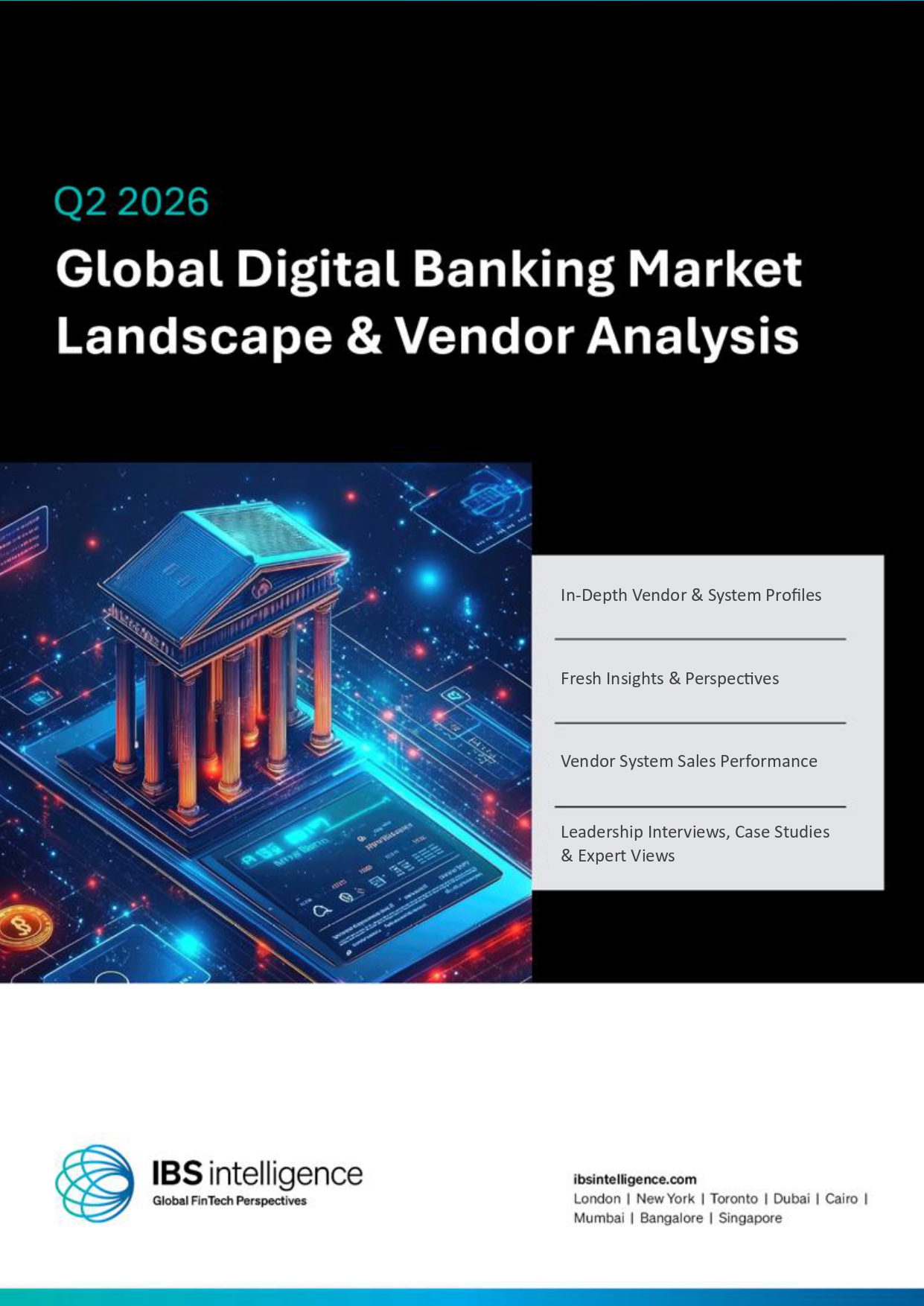
Global Digital Banking Market Landscape & Vendor Analysis Q2 2026
Know More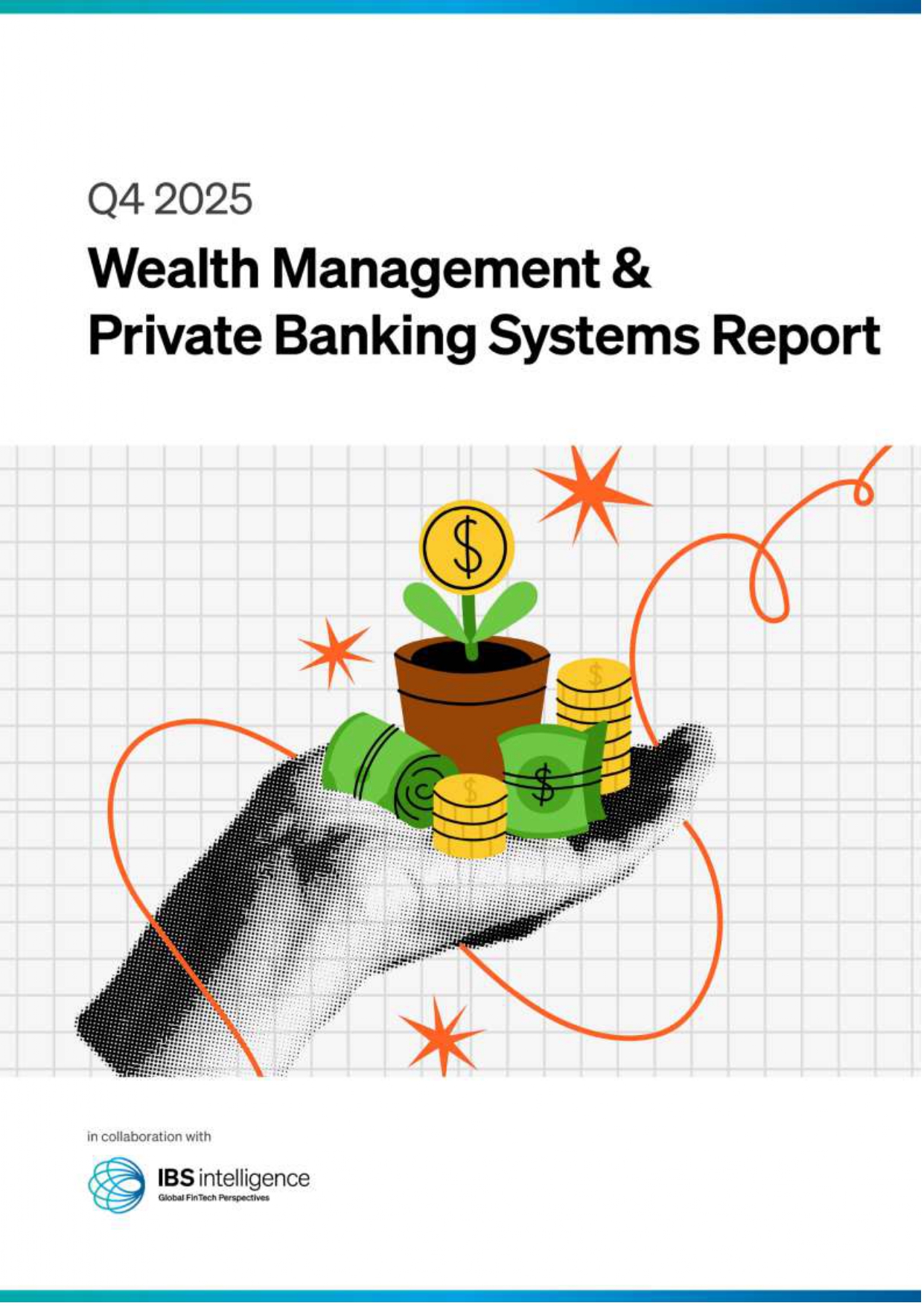
Wealth Management & Private Banking Systems Report Q4 2025
Know More
US FinTech Market Landscape & Vendor Analysis 2026
Know More