 Cedar-IBSi FinTech Labs
 Analyst Briefings
 Get in touch
 Back
Back
Finance automation lags as SMEs rely on manual invoices
By Milan Rojan
 A recent study has found that manual invoice processing has remained the biggest accounting challenge for Indian small and medium-sized enterprises (SMEs), despite widespread adoption of digital payments, GST systems and online banking.
Based on more than 2,400 product demonstrations conducted between January and July 2026, the analysis has shown that 69.6% of businesses identified bill and accounts payable processing as their primary accounting pain point. This was followed by bank and credit card reconciliation (14%), GST reconciliation (8.1%), reporting and financial visibility (3.1%), and transaction mapping (2.7%).
The findings have suggested that while businesses have digitised payment processes, many continue to rely on manual workflows for invoice collection, data entry, reconciliation and financial reporting. According to the company, these processes can delay month-end closures, reduce cash flow visibility and increase the risk of accounting errors and duplicate entries.
Bhagath G, Co-founder of AI Accountant, said: “Businesses often think accounting begins with financial reports, but it actually begins with invoices. If invoices are processed manually, everything that follows, from reconciliation to reporting, also gets delayed.”
The analysis has also highlighted changing patterns in finance technology adoption. Founders and business owners accounted for 37.3% of all product demonstrations, ahead of accounting professionals, finance leaders and chartered accountants. They also recorded the highest conversion rate among paying customers at 10.7%, indicating growing interest in finance automation as a strategic business investment.
Professional services and accounting firms represented the largest share of organisations evaluating finance automation, followed by manufacturing, trading and distribution, construction and real estate, IT and software, healthcare, and food and beverage businesses. Manufacturing emerged as the largest segment among paying customers, reflecting demand for automation in industries handling high transaction volumes.
Among businesses adopting AI Accountant, invoice automation through bulk bill uploads and automated data extraction was cited as the primary reason for implementation. Other features influencing purchasing decisions included AI-powered ledger mapping, duplicate bill detection, GST reconciliation and support for processing invoices across multiple formats, including handwritten documents.
AI Accountant said the findings have underscored the opportunity for automation to improve finance productivity among India’s MSMEs, enabling businesses to streamline accounting operations, strengthen financial visibility and support decision-making as they scale.


IBSi FinTech Journal
- Most trusted FinTech journal since 1991
- Digital monthly issue
- 60+ pages of research, analysis, interviews, opinions, and rankings
Other Related News
Related Reports
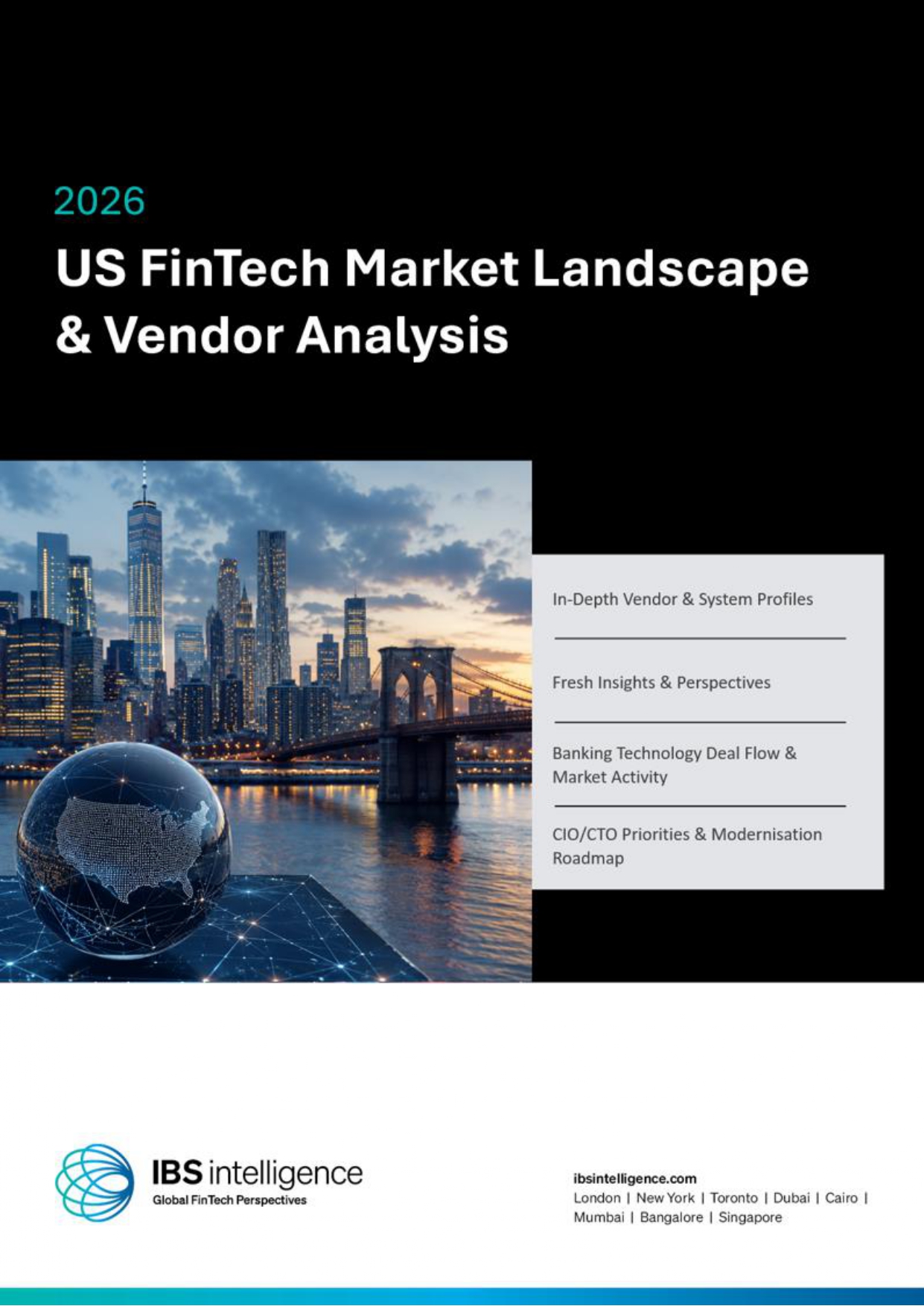
US FinTech Market Landscape & Vendor Analysis 2026
Know More
Global Digital Banking Market Landscape & Vendor Analysis Q2 2026
Know More
Wealth Management & Private Banking Systems Report Q4 2025
Know More
US FinTech Market Landscape & Vendor Analysis 2026
Know More