 Cedar-IBSi FinTech Labs
 Analyst Briefings
 Get in touch
 Back
Back
Corporate FX volatility drives demand for treasury tech
By Aarav Garg

MillTech’s latest Corporate Hedging Monitor suggests corporates took a more defensive approach to foreign exchange risk in Q1 2026 as geopolitical volatility continued to weigh on markets.
The report found that average hedge ratios rose to 57% from 49% in the previous quarter, the highest level MillTech has recorded since it began tracking the data in Q1 2024. Average hedge tenors also increased to 6.62 months from 6.33 months, marking the longest duration since Q3 2024.
The findings are based on a survey of 250 senior finance decision-makers at UK and US corporates. MillTech said the increase in both hedge coverage and hedge duration points to a more proactive approach to FX risk management, with firms seeking to protect margins and improve certainty over future cash flows.
The report also found that 96% of corporates reported losses from unhedged FX exposure during the quarter, reflecting the pressure created by geopolitical tensions. However, average losses from unhedged positions fell to under £1 million, down from more than £2 million per quarter in 2025. That suggests many firms had already adjusted their hedging strategies before the most severe market moves took place.
Among the main impacts of geopolitical developments in Q1 were higher import costs, greater volatility in earnings and cash flow, and rising hedging costs. Credit availability was the most important external factor influencing hedging decisions, ahead of central bank policy and inflation rates.
For FinTech firms serving corporate treasury teams, the findings underline sustained demand for FX automation, risk analytics and cash management tools. They also point to a market where treasury functions are becoming more data-driven, with hedging decisions shaped by a broader mix of geopolitical, financing and macroeconomic variables.

IBSi FinTech Journal
- Most trusted FinTech journal since 1991
- Digital monthly issue
- 60+ pages of research, analysis, interviews, opinions, and rankings
Other Related News
Related Reports
US FinTech Market Landscape & Vendor Analysis 2026
Know More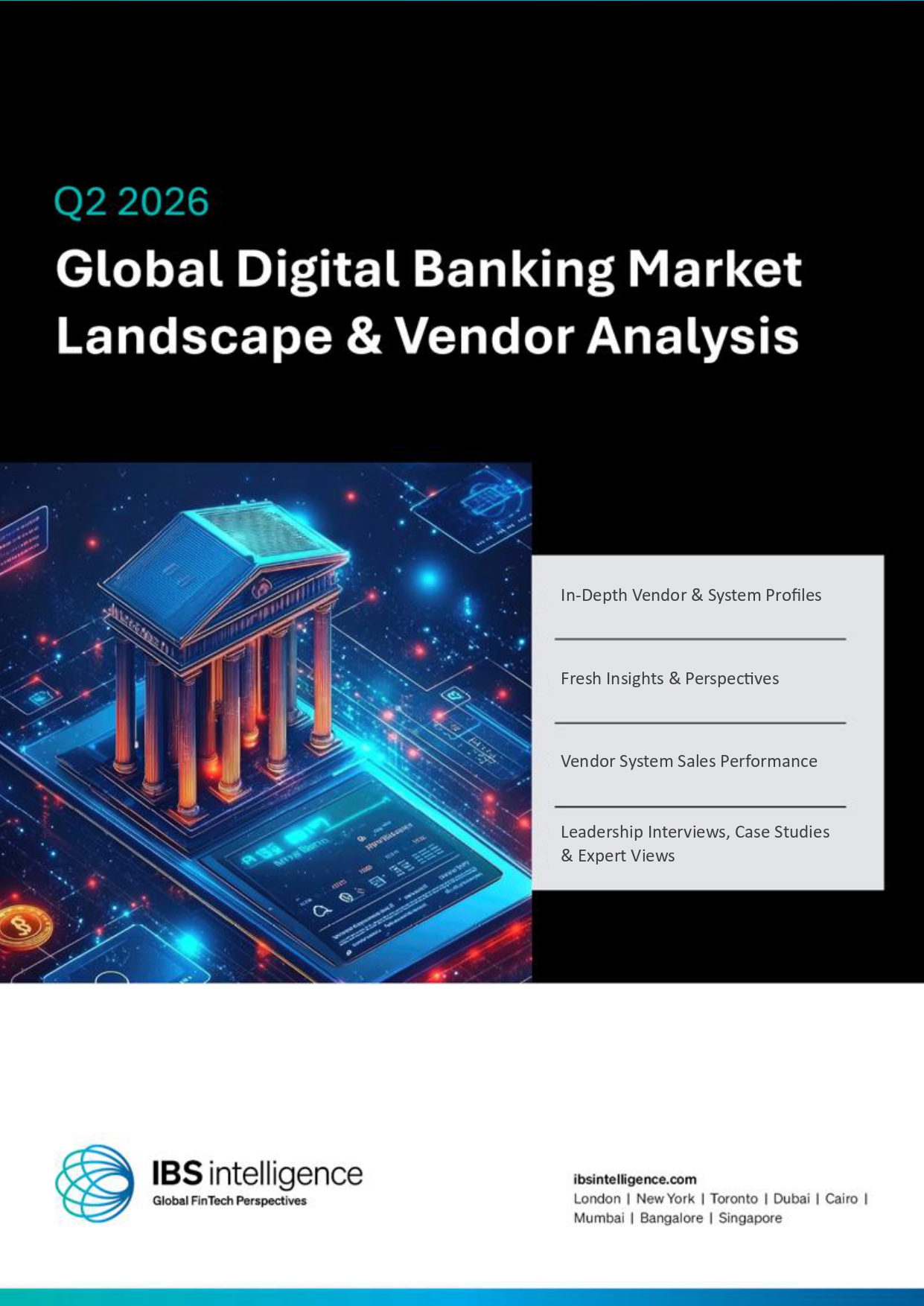
Global Digital Banking Market Landscape & Vendor Analysis Q2 2026
Know More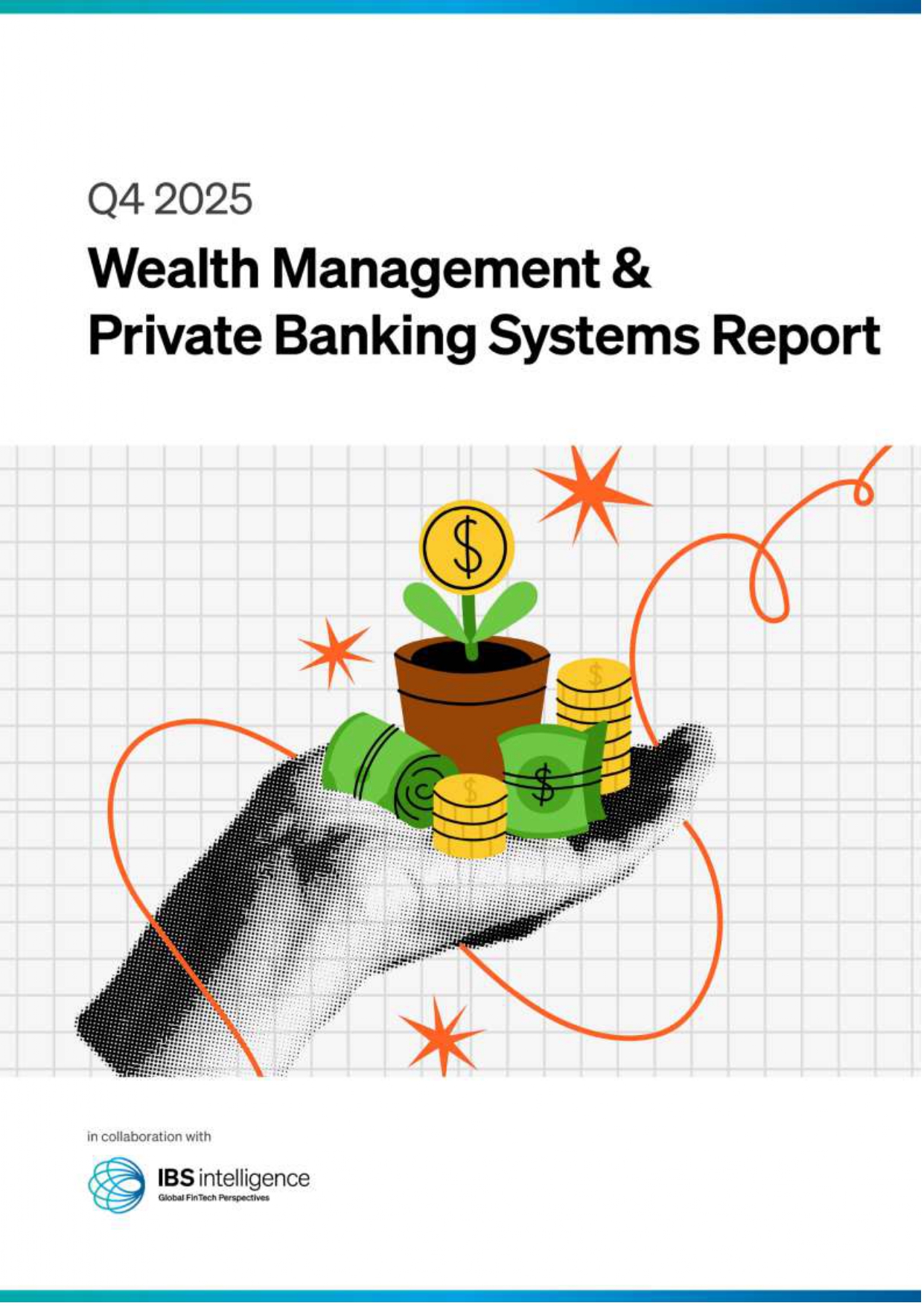
Wealth Management & Private Banking Systems Report Q4 2025
Know More
US FinTech Market Landscape & Vendor Analysis 2026
Know More