 Cedar-IBSi FinTech Labs
 Analyst Briefings
 Get in touch
 Back
Back
From Swipe to Scan: How UPI Is Rewiring Credit for Everyday India

By Bhargav Errangi, Founder of POP
The Swipe Is a Relic. India’s Credit Infrastructure Is Finally Catching Up.
India has always been a nation that saved first. The FD, the gold, the emergency fund spending came after, and it was deliberate. That identity is shifting. And the payments infrastructure is evolving with it.
Retail is growing fast. But more importantly, it’s growing differently — more lifestyle-led, more recurring, more habitual. A generation of consumers spending more frequently, across more categories, with more confidence than the one before them.
That changes what payments need to do.
Credit was built for a different India
For the longest time, credit cards were instruments of occasion. Large purchases. Considered decisions. The POS machine was a filter by design — it lived in malls, airports, and organised retail. Credit, in that model, was for the ₹60,000 television and the flight booking.
That model made sense for the India that existed then. It doesn’t map to the one that’s emerging now.
The AOV gap nobody talks about
Here’s what’s actually changing. Indian consumers are spending more per month — but the nature of that spend is fragmented and recurring. The ₹900 skincare reorder. The ₹1,500 weekend dinner. The ₹2,500 fashion purchase that wasn’t planned but wasn’t impulsive either.
These transactions don’t trigger the instinct to pull out a credit card. Too large to feel trivial, too small to feel like a “credit card moment.” So, it either goes through UPI as a debit — drawing directly from savings — or gets deferred.
This is precisely the space QR-based credit on UPI is built to occupy. Not the ₹50,000 purchase. Not the daily ₹100 transaction. The growing, recurring, mid-range spend that is increasingly defining how urban India actually lives.
The QR is already everywhere
UPI behaviour is deeply embedded. The QR code is ubiquitous the neighbourhood pharmacy, the D2C checkout, the vegetable vendor outside your building. Acceptance was the historic problem with credit. It isn’t anymore.
Linking a RuPay credit card to UPI means credit now travels wherever that QR exists. No new hardware for the merchant. No behaviour changes for the consumer they’re already scanning. The only thing that changes is what’s powering the payment on the other side.
For the small retailer who could never justify a POS setup, this levels the playing field with large-format retail overnight. For the consumer, the friction between convenience and credit disappears entirely.
The timing isn’t a coincidence
Rising AOVs. Deepening UPI penetration. The RuPay-UPI credit link. These aren’t independent developments they reflect a genuine alignment between where Indian spending is headed and what the infrastructure can now support.
Credit needed to follow the consumer into the everyday, into the mid-range, into the places a POS machine never reached.
The QR code just made that possible. The swipe is quietly becoming a relic of a different era.
Previous Article
IBSi News

Get the IBSi FinTech Journal India Edition
- Insightful Financial Technology News Analysis
- Leadership Interviews from the Indian FinTech Ecosystem
- Expert Perspectives from the Executive Team
- Snapshots of Industry Deals, Events & Insights
- An India FinTech Case Study
- Monthly issues of the iconic global IBSi FinTech Journal
- Attend a webinar hosted by the magazine once during your subscription period
₹200 ₹99*/month
* Discounted Offer for a Limited Period on a 12-month Subscription
IBSi FinTech Journal
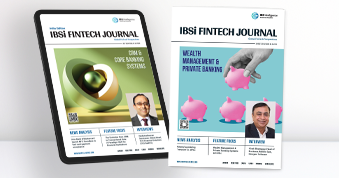
- Most trusted FinTech journal since 1991
- Digital monthly issue
- 60+ pages of research, analysis, interviews, opinions, and rankings
Other Related Blogs
March 25, 2026