 Cedar-IBS Intelligence FinTech Labs
 Analyst Briefings
 Get in touch
 Back
If we want digital money to work, trust, interoperability, and safety must come first

By David Crawford, Chief Strategy and Transformation Officer, Pay.UK
With HM Treasury giving the Bank of England an official mandate to foster innovation and the FCA preparing to regulate crypto firms by October 2027, digital money is quickly moving from a hypothetical idea discussed in whitepapers to a strategic priority for banks, fintechs and policymakers.
The opportunity is exciting. Digital money promises payments that are faster, cheaper, more flexible, and potentially more inclusive, giving people and businesses far greater control over how they move value.
The question is no longer whether digital money will play a role, but how. Realising that opportunity will depend on more than the technology itself. The real challenge is not invention, but integration. In our view, three conditions will be essential if digital money is to achieve meaningful scale:
Interoperability
Digital money cannot operate in isolation. It will need to be interoperable with the existing payments infrastructure that processes most UK payments today. A payment sent in a digital asset must be received, settled, and spent seamlessly. Without interoperability, we risk creating a fragmented landscape of parallel systems that are harder to navigate and trust.
Consumer protection
Consumers have clear expectations about what happens when things go wrong with a payment, including who is responsible, how disputes are resolved and what recourse is available. Digital money cannot dilute consumer safety under the banner of innovation; it must be backed by clear legal and regulatory accountability.
Resilience and fraud protection
Payment systems are critical infrastructure; this means that outages can have widespread consequences for consumers, businesses and the wider economy.
At the same time, fraud remains one of the most pressing challenges in UK payments, causing harm to individuals and businesses and undermining confidence in digital channels. UK Finance data shows that £1.17 billion was lost to fraud in 2024, with a further £629 million stolen in the first half of 2025 alone, underlining both the scale of the threat and its persistence.
New forms of digital money will therefore need to be designed with resilience and fraud prevention embedded from the outset, not added later.
To gain trust at scale, digital money will need to meet the same high standards of availability, robustness and user protection as the payment systems it will sit alongside, and, where possible, strengthen them.
The future of digital money depends on collaboration
Delivering this will require coordinated action across industry, regulators and infrastructure providers. The success of digital money depends on a connected ecosystem; it will need to be built on shared rules, clear accountability and common standards.
The UK already has world-class payments infrastructure and decades of hard-won experience. By leaning into that foundation, we don’t have to choose between innovation and stability, we can have both. Done well, collaboration will allow digital money to build on what already works, unlocking the benefits of faster, smarter payments while preserving the trust, resilience, and security that underpin the UK economy.
Previous Article
November 23, 2026
Where Agentic AI can add value in banking workflows — and what requires closer scrutiny
Read MoreIBSi News

Get the IBSi FinTech Journal India Edition
- Insightful Financial Technology News Analysis
- Leadership Interviews from the Indian FinTech Ecosystem
- Expert Perspectives from the Executive Team
- Snapshots of Industry Deals, Events & Insights
- An India FinTech Case Study
- Monthly issues of the iconic global IBSi FinTech Journal
- Attend a webinar hosted by the magazine once during your subscription period
₹200 ₹99*/month
* Discounted Offer for a Limited Period on a 12-month Subscription
IBSi FinTech Journal
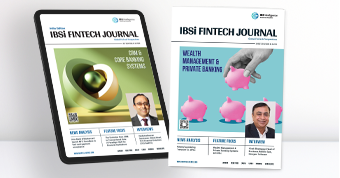
- Most trusted FinTech journal since 1991
- Digital monthly issue
- 60+ pages of research, analysis, interviews, opinions, and rankings
Other Related Blogs
November 23, 2026
Where Agentic AI can add value in banking workflows — and what requires closer scrutiny
Read MoreNovember 20, 2026
What if the payments industry has been looking at emerging markets backwards?
Read MoreRelated Reports
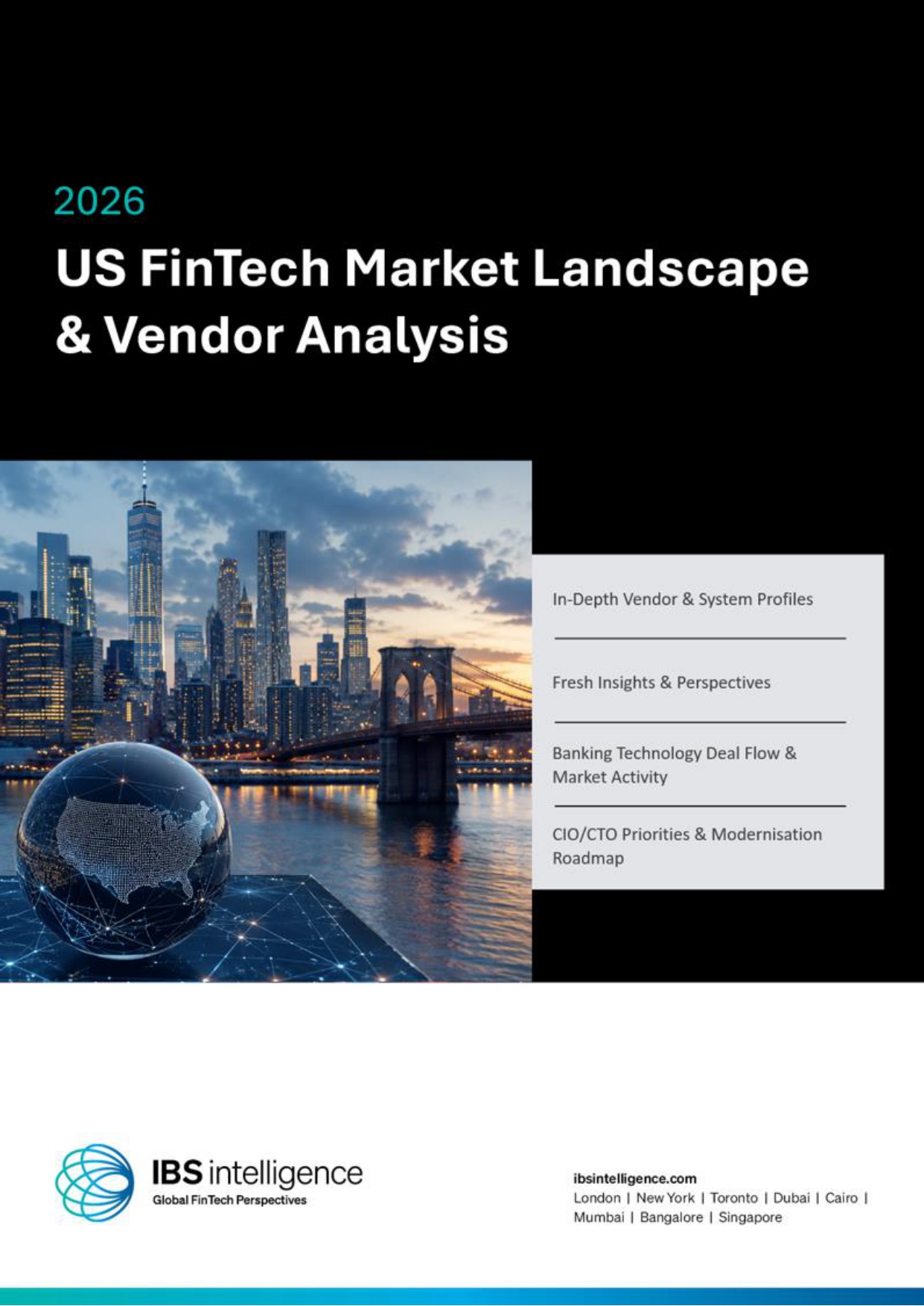
US FinTech Market Landscape & Vendor Analysis 2026
Know More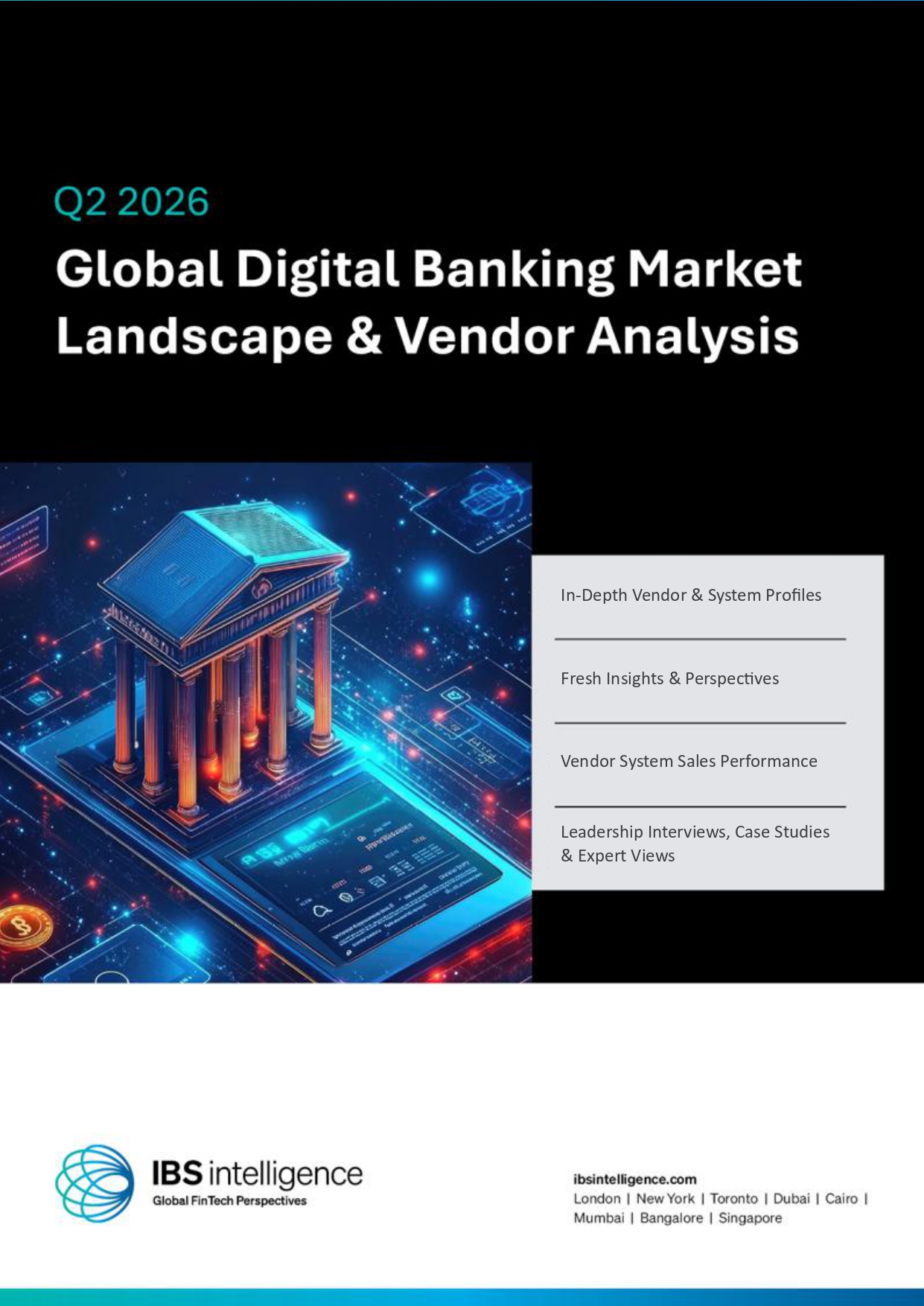
Global Digital Banking Market Landscape & Vendor Analysis Q2 2026
Know More
Wealth Management & Private Banking Systems Report Q4 2025
Know More
US FinTech Market Landscape & Vendor Analysis 2026
Know More