 Cedar-IBS Intelligence FinTech Labs
 Analyst Briefings
 Get in touch
 Back
Where Agentic AI can add value in banking workflows — and what requires closer scrutiny

By Dharmarajan Sankara Subrahmanian, Founder & CEO, Impactsure Technologies
Banking has changed enormously over the past two decades. Customers can access services from almost anywhere, businesses can initiate transactions electronically and financial information moves between institutions faster than ever before. These developments have also changed customer expectations. People increasingly expect financial services to be as convenient and responsive as the digital services they use in other parts of their lives.
Yet there remains a considerable difference between making a banking service available digitally and completing the underlying transaction efficiently.
A corporate customer may submit a request for a bank guarantee in minutes, but its issuance can still involve several departments, document checks, compliance requirements and approvals. The customer sees one transaction, while the bank manages a series of interconnected activities, often across different systems.
This is where agentic AI offers an interesting opportunity. It builds on years of investment in automation, document intelligence and digital banking by introducing the ability to understand objectives, coordinate activities and take authorised actions across business processes.
Its real value, however, will be determined by the improvements it brings to customer experience, operational efficiency and the bank’s ability to stay within statutory requirements.
Moving beyond individual tasks
Much of the progress in banking automation has been achieved by improving individual activities. Documents are read faster, information is extracted more accurately, and transactions are routed electronically. Improvements in individual tasks do not always translate into better overall turnaround times.
In trade finance, AI can extract and compare information across invoices, transport documents and insurance certificates to identify potential discrepancies. It can also examine relevant amendments and transaction context to help determine the appropriate next steps. An AI agent could bring together the relevant information, identify outstanding questions and prepare the case for examination by a trade finance officer. It could also coordinate authorised follow-ups and monitor the progress of the transaction.
The distinction is important. Traditional automation generally follows predefined instructions. Agentic AI offers greater flexibility in determining the next appropriate activity when circumstances change. It does not, however, remove the bank’s responsibility for documentary examination, compliance or approval.
The opportunity is to reduce the administrative effort surrounding these decisions, allowing banking professionals to spend more time on matters that genuinely require their expertise. This has implications for the economics of banking operations. Banking costs are driven as much by repeated queries, incomplete information, internal hand-offs and exception handling as by the transactions themselves. Agentic AI may help reduce these costs by connecting activities that currently require considerable manual coordination.
Compliance presents a similar opportunity. Intelligent agents can streamline customer due diligence, transaction monitoring and sanctions screening by gathering information, identifying gaps and supporting investigations, reducing effort and costs while maintaining regulatory rigour. Excessive false alerts increase costs and delay legitimate transactions, while AI deployment and monitoring add expenses. Banks should therefore measure success by the overall cost, quality and turnaround time of compliant transactions, rather than the number of tasks they automate.
For customers, the benefits should be equally tangible: fewer requests for information, quicker resolution of issues, greater transparency and a more predictable banking experience.
Making intelligence more accessible and trustworthy
Agentic AI can also make financial services more inclusive. In the case of trade finance, while large corporates have specialised treasury teams, smaller exporters often lack similar expertise. Conversational AI can bridge this gap by simplifying banking requirements, guiding documentation and offering multilingual support, making sophisticated financial services more accessible.
Inclusion also means ensuring fairness. AI models can inherit biases from training data and treat similar customers differently based on irrelevant factors. Banks must actively test their AI systems to identify and prevent such biases.
As AI becomes more involved in customer onboarding, credit assessment and compliance monitoring, such considerations become increasingly important. An efficient system that creates unfair barriers or disproportionate scrutiny for certain customers cannot be considered entirely successful. The same principle applies to employees. AI should make specialist knowledge more accessible and help professionals work more effectively, while preserving their ability to exercise judgement and challenge automated recommendations.
Delivering these benefits also requires banks to consider how intelligence operates across their technology environments. Banking information is distributed across documents, customer records, transaction processing applications, regulatory systems and external networks. Agents need reliable access to this information, together with clear rules governing how it can be used.
This creates an opportunity for connected financial intelligence infrastructure that brings together document understanding, domain knowledge, business rules and workflow execution across existing applications.
Rather than replacing established banking systems, this approach can help institutions make better use of their technology investments. It also has relevance across the wider financial ecosystem, where banks, corporates, financial institutions and capital markets depend on the exchange and interpretation of information.
Greater intelligence and connectivity demand stronger governance. AI agents can identify discrepancies, recommend actions and initiate follow-ups, but banks must retain control over critical decisions such as credit approvals, compliance waivers and fund transfers. Clear permissions, audit trails, traceable recommendations and human oversight are essential.
All banking processes do not require an autonomous agent. Conventional automation works well for predictable activities, while agentic AI delivers greater value in complex processes involving multiple systems, changing information and exceptions that require coordination and judgement. For banking leaders, the starting point should be the business outcomes they want to improve. Where do customers experience unnecessary delays? Which processes involve repeated manual intervention? Where can better information and coordination improve compliance while reducing costs?
The answers will help determine where agentic AI can deliver meaningful value. As banks continue to invest in intelligent technologies, their success will be reflected in how customers experience financial services and how effectively institutions fulfil their responsibilities. Faster transactions, lower operating costs, better compliance and wider access to financial services are objectives worth pursuing together.
Agentic AI offers new ways of achieving them. The challenge is to apply that intelligence thoughtfully, with the customer experience and the integrity of banking operations remaining central to every decision.
Previous Article
November 20, 2026
What if the payments industry has been looking at emerging markets backwards?
Read MoreIBSi News

November 23, 2026
AI
Aqua Global and IntellectEU partner to connect banks with digital asset
Read MoreGet the IBSi FinTech Journal India Edition
- Insightful Financial Technology News Analysis
- Leadership Interviews from the Indian FinTech Ecosystem
- Expert Perspectives from the Executive Team
- Snapshots of Industry Deals, Events & Insights
- An India FinTech Case Study
- Monthly issues of the iconic global IBSi FinTech Journal
- Attend a webinar hosted by the magazine once during your subscription period
₹200 ₹99*/month
* Discounted Offer for a Limited Period on a 12-month Subscription
IBSi FinTech Journal
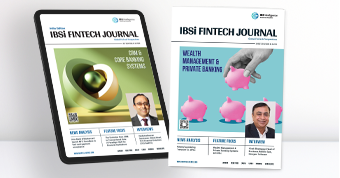
- Most trusted FinTech journal since 1991
- Digital monthly issue
- 60+ pages of research, analysis, interviews, opinions, and rankings
Other Related Blogs
November 20, 2026
What if the payments industry has been looking at emerging markets backwards?
Read MoreNovember 02, 2026
Private credit is booming, but Europe’s mid-market companies are left hanging
Read MoreRelated Reports
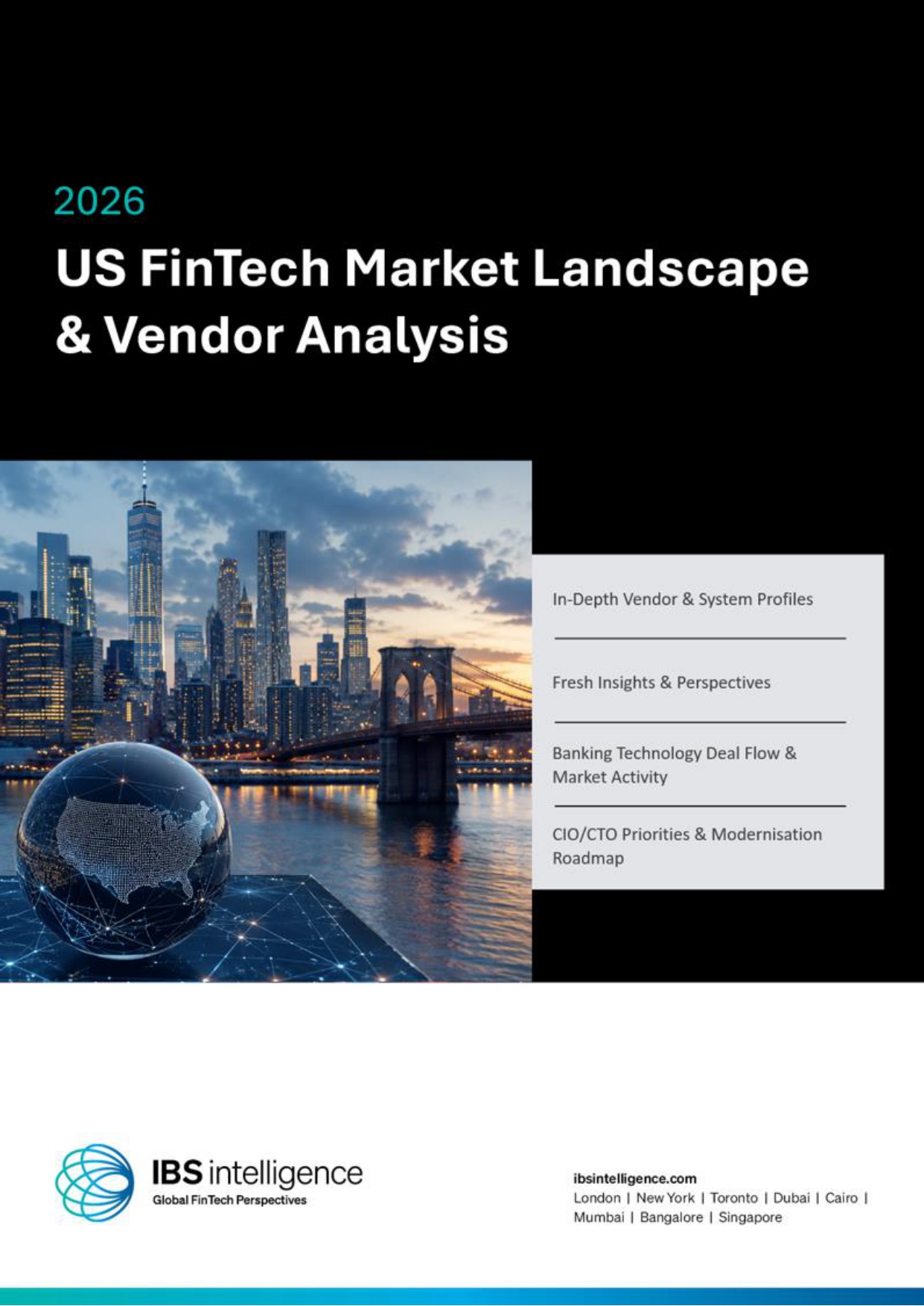
US FinTech Market Landscape & Vendor Analysis 2026
Know More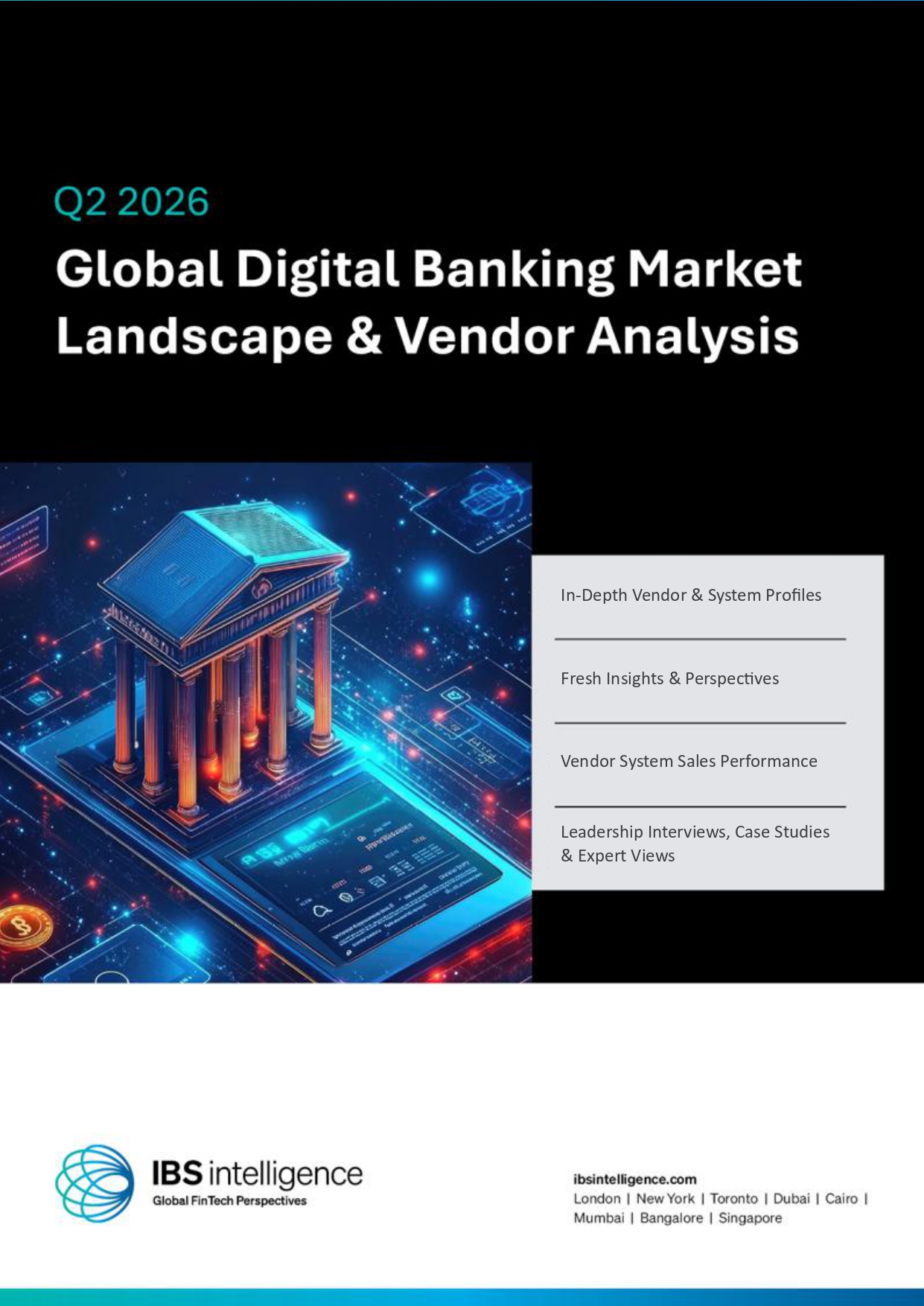
Global Digital Banking Market Landscape & Vendor Analysis Q2 2026
Know More
Wealth Management & Private Banking Systems Report Q4 2025
Know More
US FinTech Market Landscape & Vendor Analysis 2026
Know More