 Cedar-IBS Intelligence FinTech Labs
 Analyst Briefings
 Get in touch
 Back
Private equity firms face rising technology pressures as liquidity options expand
By Puja Sharma

– Operational constraints now rank alongside geopolitics as a top barrier to successful exits
– Manual processes consume a third of operational team capacity
– LPs demand more frequent reporting, greater fee transparency and real-time data access
Continuation vehicles, secondaries and a wider range of liquidity routes are putting growing pressure on private equity operating models, with 45% of firms citing valuation and reporting complexity as a key challenge, according to research from Vistra Fund Solutions. The pressure is landing on teams where manual processes and data handling already consume 33% of operational capacity on average.
The strain extends beyond valuations and reporting, with 45% citing technology limitations and the challenge of managing multiple stakeholder groups, while 42% point to increased regulatory and compliance obligations.
This pressure is being compounded as firms pursue a wider range of liquidity routes simultaneously, each with its own operational, regulatory and reporting demands. Continuation vehicles, sponsor-to-sponsor sales and holding assets for longer are each cited by 16% of firms as the most important route over the next 12 to 24 months, with dividend recapitalisations and secondaries close behind at 14%.
The shift towards retail and semi-liquid products is also exposing operational gaps. While 84% of firms say they are fully or partially prepared to support them, only 27% say they already have all the infrastructure, processes and capabilities they need in place. More than half (56%) remain only partially prepared, while 14% are still at an early stage.
The added complexity is challenging operating teams that remain heavily reliant on manual processes. Almost two-thirds (62%) say more than a quarter of their team’s capacity is consumed by manual processes or data handling, with manual work accounting for 33% of capacity on average.
The operational impact extends to liquidity, with internal resource or operational constraints ranking alongside regulatory or geopolitical uncertainty as a top barrier to successful exits (16%).
Investor pressure is also building, with more frequent and granular portfolio reporting topping the list of LP demands (36%), followed by greater fee transparency, faster onboarding, and real-time access to fund data (34%). Meanwhile, 93% of respondents say operational excellence is important to investor confidence.
Firms are responding by shifting more operational investment towards technology. Today, 60% have budgets weighted towards people, but that is expected to fall to 40% over the next three years, while the proportion with technology-heavy budgets rises from 18% to 32%. All respondents are exploring or implementing at least one AI use case, but 99% identify a meaningful gap between their AI ambitions and operational reality.
Abdel Hmitti, President, Vistra Fund Solutions, commented: “The range of products, investors and liquidity routes firms now need to support is creating real operational pressure. Continuation vehicles and secondaries bring more demanding valuation, reporting and stakeholder requirements, while many teams still spend a third of their capacity on manual work. With LP expectations rising at the same time, firms need stronger data, more connected systems and the right external support to handle greater complexity without adding another layer of cost and manual effort.”
The role of external providers is already broadening. While 67% of firms still primarily use providers for transactional administration, technology support and integration is the function most likely to be outsourced over the next three years, at 28%, followed by investor services at 26% and data management at 25%.
Despite these pressures, confidence in operational transformation remains high. Some 89% say their operational capabilities have moved faster than AUM growth or are significantly ahead of it. However, just over half describe key areas of their operating model as mostly or fully automated and integrated, highlighting the gap between confidence in progress and the maturity of the underlying infrastructure.

IBSi FinTech Journal
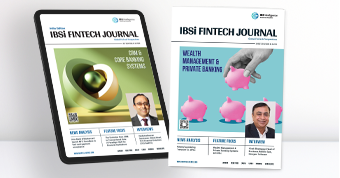
- Most trusted FinTech journal since 1991
- Digital monthly issue
- 60+ pages of research, analysis, interviews, opinions, and rankings
Other Related News
Related Reports
US FinTech Market Landscape & Vendor Analysis 2026
Know More
Global Digital Banking Market Landscape & Vendor Analysis Q2 2026
Know More
Wealth Management & Private Banking Systems Report Q4 2025
Know More
US FinTech Market Landscape & Vendor Analysis 2026
Know More