 Cedar-IBSi FinTech Labs
 Analyst Briefings
 Get in touch
 Back
Back
The Monday Roundup: what we are watching this week | Oct 12th
By Puja Sharma

The Monday Roundup sets the scene for the week’s biggest news stories, industry deals, and upcoming events. For Prime subscribers only.
Beyond Traditional ATMs
 PayU and Malaysia Airlines have signed a memorandum of understanding (MoU) to explore new digital payment and booking capabilities for travellers in India, underscoring the growing role of FinTech in shaping travel commerce.
The partnership will combine PayU’s payment infrastructure and merchant ecosystem with Malaysia Airlines’ international network to create smoother booking journeys and more flexible payment experiences for customers.
Under the collaboration, the companies will explore a range of FinTech-driven initiatives, including innovative payment methods, flexible payment options, exclusive customer offers and co-branded campaigns designed to improve customer acquisition, engagement and conversion rates.
The partnership will also focus on developing tailored payment and travel propositions for different customer segments, including leisure travellers, premium customers, students and corporate users. The agreement reflects a broader trend in the travel industry, where airlines are increasingly partnering with FinTech providers to enhance checkout experiences, improve payment acceptance and drive digital revenue growth.
 stc pay Bahrain has partnered with Diebold Nixdorf to extend its digital financial services into physical locations through the deployment of DN Series cash recyclers and DN Vynamic Software.
The initiative marks Diebold Nixdorf’s engagement with a telecommunications-affiliated financial services provider in the Middle East and highlights the growing convergence of digital finance and physical self-service channels.
The deployment will enable stc pay Bahrain customers to access financial services through self-service kiosks, complementing the company’s mobile wallet offering. The move supports the Central Bank of Bahrain’s vision for a modern and cash-optimised financial ecosystem while giving consumers greater flexibility in how they access services.
Under the agreement, stc pay Bahrain will install DN Series cash recyclers, with selected units featuring Interactive Teller Machine (ITM) capabilities. Rather than operating as traditional ATMs, the terminals will function as access points to the company’s digital ecosystem, allowing customers to move between cash, cards, mobile wallets and digital services.
The kiosks will support a wide range of transactions, including wallet top-ups, eSIM issuance, domestic and international remittances, bill payments, gift card purchases, transportation card top-ups, charitable donations and cash collection services for SMEs.
leveraging Tech and data analytics to assess creditworthiness
 Mumbai-based digital lender NeoGrowth has raised approximately $8.8 million through a combination of equity and debt financing from Dutch development finance institution FMO and existing investor LeapFrog Investments. The funding will support the company’s plans to expand its loan book to nearly $310 million before pursuing another equity raise.
The company leverages technology and data analytics to assess creditworthiness using digital payment records, point-of-sale (POS) transactions and business cash flows instead of relying solely on traditional collateral-based lending models. It also offers flexible repayment options, enabling borrowers to repay loans daily, weekly, fortnightly or monthly. NeoGrowth operates in more than 25 cities across India and serves over 80 business segments, with a customer base exceeding 100,000 businesses.
The latest funding comes as digital lenders increasingly use alternative data sources such as GST filings, banking transactions and digital payment histories to evaluate borrowers and extend credit to underserved MSMEs. NeoGrowth previously raised $36 million in a Series D funding round in 2022 led by FMO alongside existing investors. The broader MSME lending sector continues to attract investor interest as fintech firms develop embedded finance, supply-chain financing and cash flow-based credit solutions.
 Mynt, the parent company of digital wallet GCash, has set an IPO price at PHP 6.60 per share, valuing the company at $7 billion on the Philippine Stock Exchange (PSE). The FinTech company said the offer values Mynt at approximately $7 billion and is expected to raise $845 million (PHP 53 billion) through the sale of more than 8 billion common shares.
Mynt added that if the overall commitment option is fully exercised, the offering could raise up to $971.3 million (PHP 60.9 billion). The offering is being underwritten by Morgan Stanley, J.P. Morgan Securities and UBS Singapore.
The IPO has attracted strong interest from both domestic and international institutional investors and has been oversubscribed multiple times. GCash has become one of the Philippines’ FinTech platforms, offering digital payments, cross-border transfers, merchant payments, bill payments, credit, savings and investment services through a single app.
The IPO process began in June when Mynt submitted its application to the Philippine Securities and Exchange Commission (SEC). The application received approval in September, when the company indicated a potential offer price of up to PHP10 per share, which could have valued the business at more than $10 billion.
The retail and trading participant offer period is open until 12 October, with shares expected to begin trading on the Philippine Stock Exchange’s main board on 20 October under the ticker symbol GCASH. Mynt said the final timetable remains subject to regulatory approvals, market conditions and other customary requirements.
What is the Buzz
 India’s cybersecurity watchdog, CERT-In, has issued a warning to non-banking financial companies (NBFCs), FinTech firms, digital lenders, payment service providers, and wallet operators about a rise in cyberattacks targeting payment and disbursement APIs. According to the advisory released on October 9, cybercriminals are exploiting vulnerabilities in internet-facing applications and exposed APIs to gain access to payment gateway, aggregator, and banking credentials. Once compromised, attackers can initiate unauthorised fund transfers directly through trusted infrastructure, bypassing key application-level security checks.
The agency noted that these attacks can evade safeguards such as KYC verification, loan approval processes, beneficiary validation, transaction limits, and balance checks. Fraudsters have also been found using fake transaction references and routing funds to mule accounts spread across multiple banks before withdrawing the money.
highlighted several common attack vectors, including outdated APIs, insecure file-upload features, embedded API tokens, plaintext credentials, weak remote-access security, and supply-chain compromises involving source-code repositories. After breaching systems, attackers often deploy backdoors, steal payment credentials, and execute multiple high-value transfers through IMPS and NEFT channels.
To mitigate risks, the agency has advised financial institutions to strengthen API security by implementing multi-factor authentication, monitoring transactions in real time, securing credentials, enforcing transfer limits, validating beneficiaries, and maintaining detailed audit logs. Organisations are also urged to promptly report suspicious incidents and preserve forensic evidence for investigation.

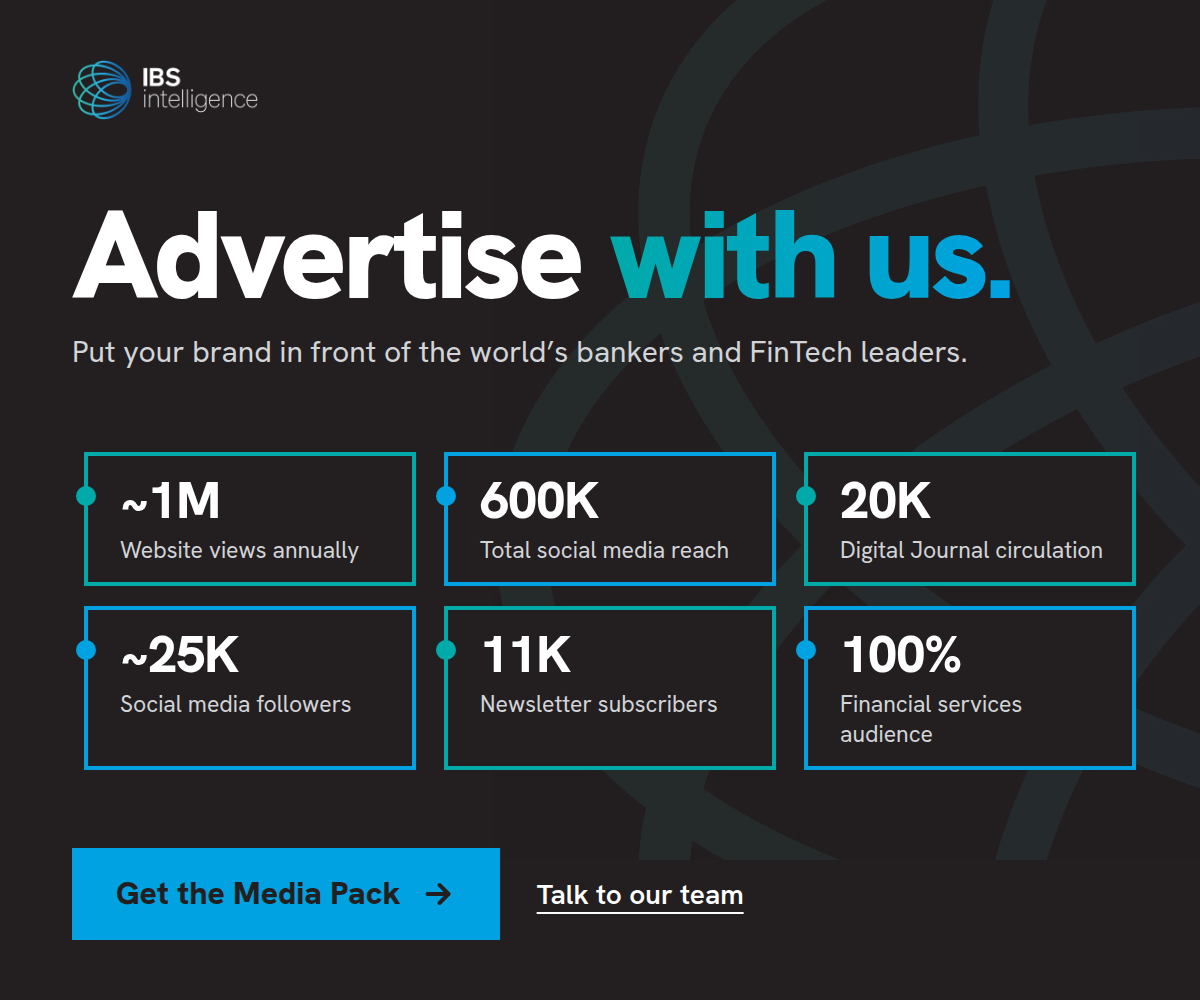
IBSi FinTech Journal
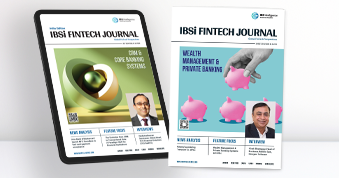
- Most trusted FinTech journal since 1991
- Digital monthly issue
- 60+ pages of research, analysis, interviews, opinions, and rankings
Other Related News
Related Reports
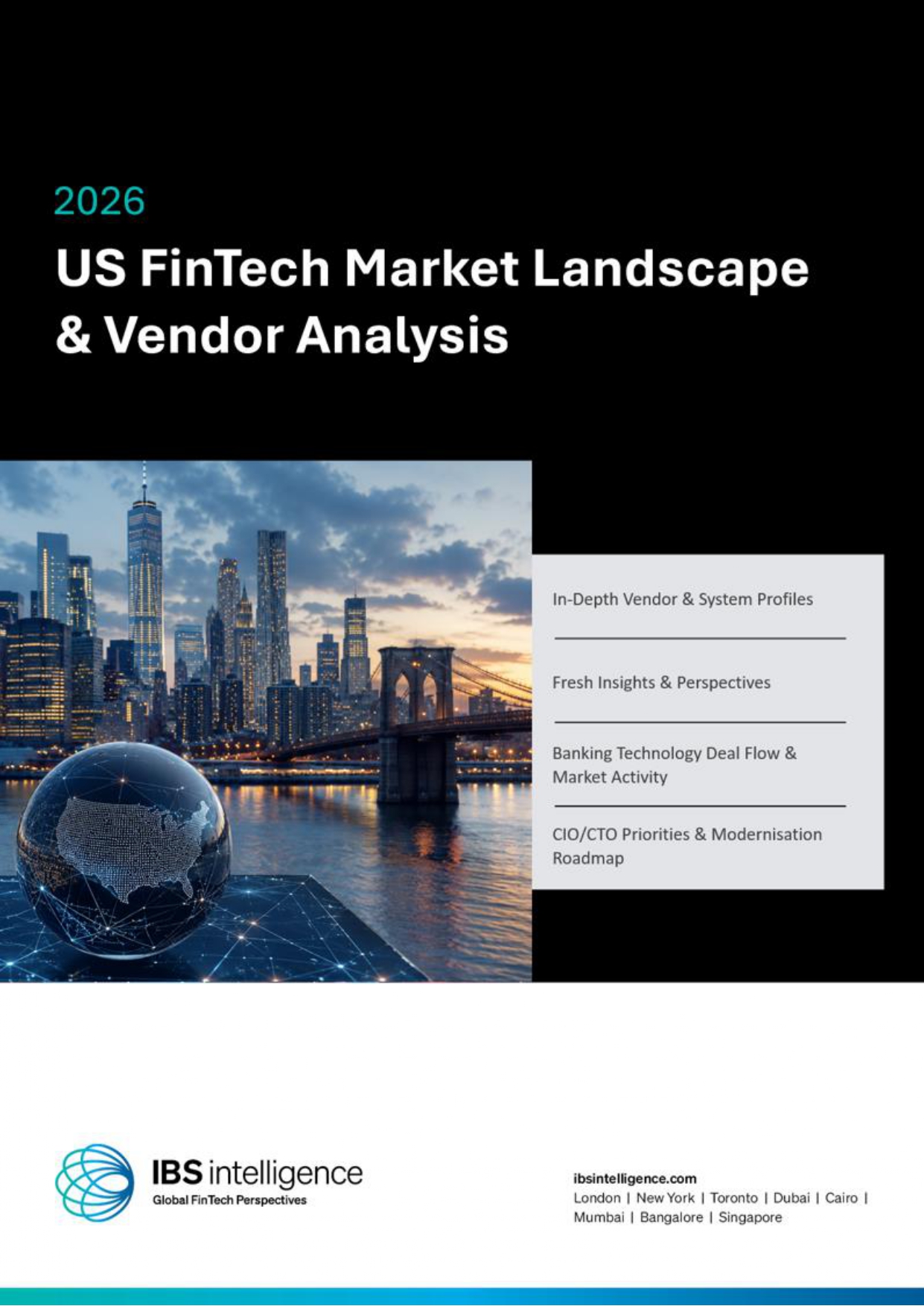
US FinTech Market Landscape & Vendor Analysis 2026
Know More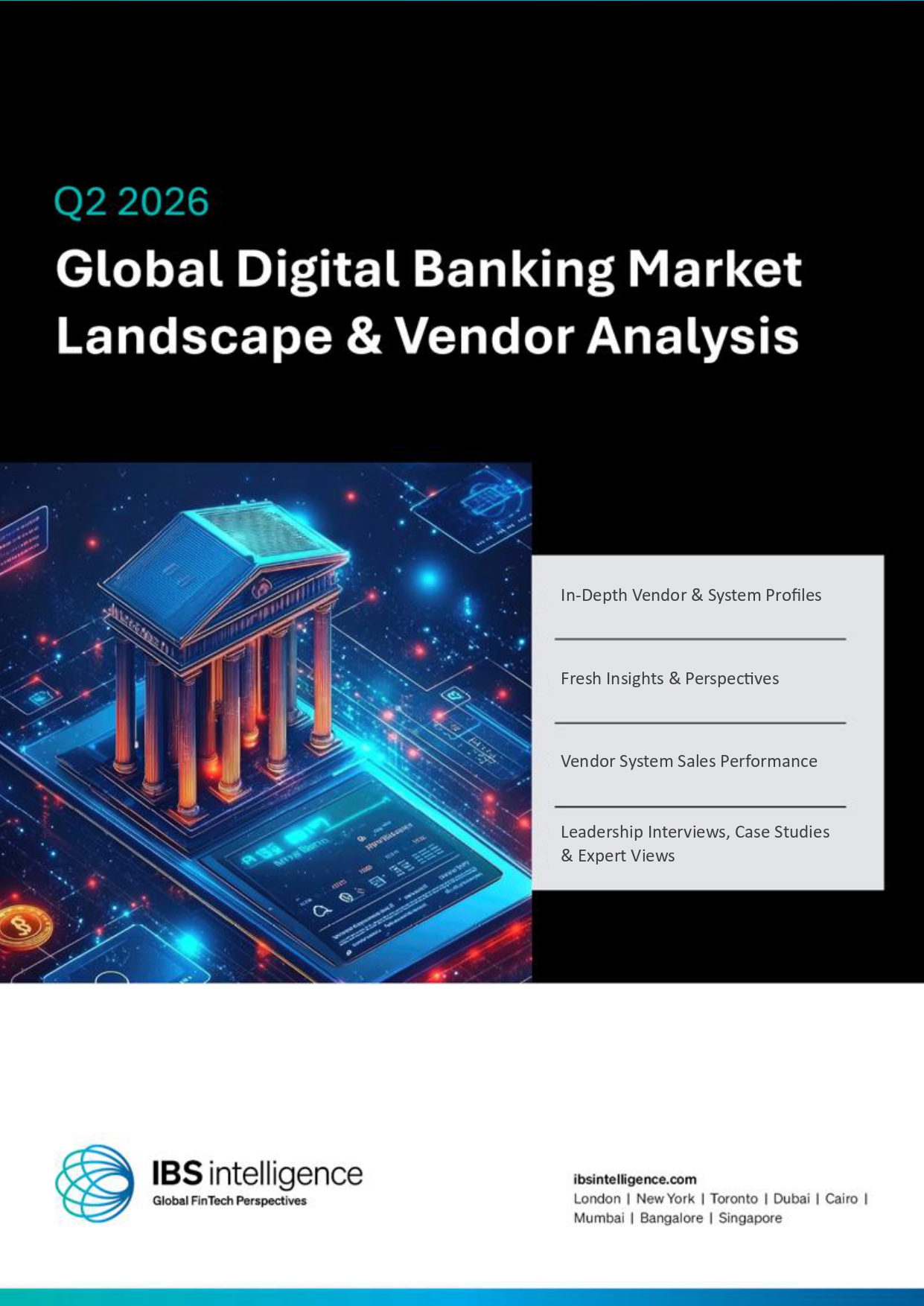
Global Digital Banking Market Landscape & Vendor Analysis Q2 2026
Know More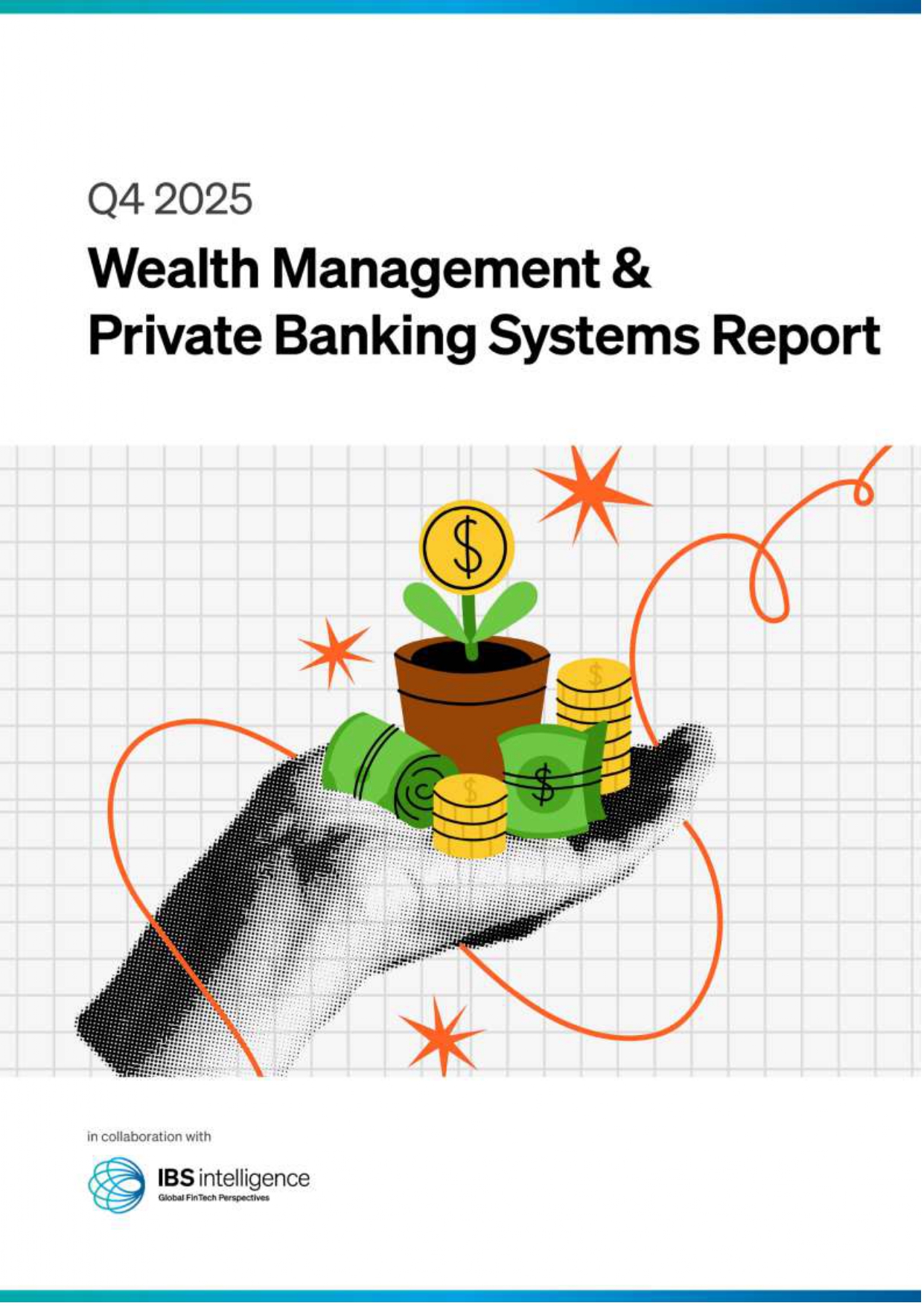
Wealth Management & Private Banking Systems Report Q4 2025
Know More
US FinTech Market Landscape & Vendor Analysis 2026
Know More