 Cedar-IBSi FinTech Labs
 Analyst Briefings
 Get in touch
 Back
Back
How can APAC go from payments miracle to financial inclusion?

By Lewis Ide, SVP APAC, 10x Banking
Despite world-class payments innovation, legacy core banking systems have left millions across APAC underserved. As Lewis Ide argues, that is finally starting to change.
In much of Asia-Pacific, moving money has become close to frictionless. Street markets and taxi ranks run on QR codes and real-time transfers can clear in seconds. Thailand is a stellar example: PromptPay and QR transfers now account for roughly 40 to 45% of all consumer transactions, 97% of consumers use a mobile banking app at least weekly, and 91% of the population is online. At the payments layer, it is one of the most connected economies anywhere.
However, 45% of Thai adults remain underbanked and 18% have no formal banking relationship at all. This contrast between innovation and bringing underserved consumers into formal banking extends across APAC; while the world’s most populous region is the envy of America and EMEA when it comes to payments, access to credit and savings has lagged behind. Millions of consumers and small businesses can transact freely and still cannot borrow, open a savings product on decent terms, or build the kind of financial track record that works for them.
Luckily, that’s beginning to change. Central banks from Singapore and Hong Kong to Malaysia and the Philippines have licensed digital and virtual banks with financial inclusion written into the rationale. Thailand has recently joined the club. The Bank of Thailand has licensed three virtual bank consortia that are expected to enter the market before the end of 2026.
The missing link is not payments infrastructure but the banking architecture that sits behind it. While consumer-facing payment experiences have evolved rapidly, many banks still rely on core platforms designed for a fundamentally different era. Without modern core infrastructure, it becomes difficult to turn digital activity into meaningful access to credit, savings and other financial products.
Why is core banking modernisation important to financial inclusion?
It’s vital that the financial services industry continues its progress in the right direction on this point. The current system leaves out many who form a crucial part of today’s economy: gig workers, market traders, migrant workers with no formal salary history. These are the people the region’s inclusion agenda should be and is trying to reach, but they are also the ones that legacy core banking infrastructure was not designed to reach.
Traditional underwriting, for example, relies on a customer having on formal income records, credit-bureau data and a stable employment history. If those things are missing, people get locked out of the system. This is a clear limitation of architecture that is thankfully now being addressed.
In order to address this effectively, you must start with data. Often the data needed is already there – it lives in transaction histories, mobile usage, merchant payment records – but within systems not built to surface it in real-time. Legacy core architecture also throttles product velocity. Launching a new loan or credit product or adjusting credit parameters on a hard-coded system can take months of IT work. A configurable, API-first core brings that down to days.
How APAC banks can move from legacy constraints to meaningful change
Conversations about financial inclusion tend to be well-meaning but vague about what is blocking progress. The specific blocker is this. Most incumbents across APAC still run core systems built twenty or more years ago, for a different era of banking: batch processing, end-of-day reconciliation, hard-coded product definitions and fragmented data.
But meaningful change is in motion. Thailand’s KBank has expanded its core capacity without disrupting service, and SCB is part-way through a multi-year modernisation programme. Both run new and legacy infrastructure in parallel rather than attempting a single high-risk migration, and that progressive approach is becoming the sensible orthodoxy across the region.
How does cloud-native core banking help financial inclusion?
As we move through the 2020s and into the 2030s, we will see more and more banks move to this model on a cloud-native core. This will change the equation in terms of financial inclusion but also from a commercial standpoint. Cloud-native cores allow banks to ship new products in weeks as opposed to years and thereby reduces the cost to serve, rewriting the unit economics of small-ticket lending and micro-savings offerings.
With the ability to process data in real time through open APIs, banks running on a cloud-native core can use data like telco usage, QR payment history, or merchant cash flow and payroll to build a fairer and more dynamic picture of creditworthiness for customers who don’t fit the current typical mould.
That could take the form in practice of a small working capital loan for a gig worker, priced on three months of verified income and disbursed in minutes, with repayments taken directly from the same wallet the borrower uses on a daily basis. For SME banks, disbursements can be linked programmatically to invoices or QR payments to optimise collections and lower delinquency.
In the coming years APAC banking will begin to treat core modernisation as an urgent commercial priority and that will result in a closure of the financial inclusion gap. The region has already proven its leadership when it comes to digital adoption, particularly where payments are concerned. Now, the task for financial services is converting that adoption into real access: to the tools that let people and businesses grow. The banks that modernise their core infrastructure fastest will be the ones best positioned to turn digital activity into real economic opportunity.
IBSi News

October 26, 2026
10x Banking
SMBC signs MoU with Ant International for cross-border transaction
Read MoreGet the IBSi FinTech Journal India Edition
- Insightful Financial Technology News Analysis
- Leadership Interviews from the Indian FinTech Ecosystem
- Expert Perspectives from the Executive Team
- Snapshots of Industry Deals, Events & Insights
- An India FinTech Case Study
- Monthly issues of the iconic global IBSi FinTech Journal
- Attend a webinar hosted by the magazine once during your subscription period
₹200 ₹99*/month
* Discounted Offer for a Limited Period on a 12-month Subscription
IBSi FinTech Journal
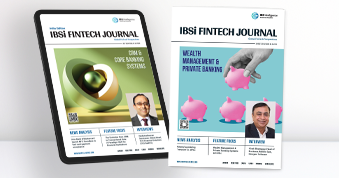
- Most trusted FinTech journal since 1991
- Digital monthly issue
- 60+ pages of research, analysis, interviews, opinions, and rankings
Other Related Blogs
October 21, 2026
How EU Digital Identity Wallets will reshape identity verification in digital payments
Read MoreOctober 19, 2026
Building Wealth in Your 20s and 30s: Why Income Matters as Much as Growth
Read MoreOctober 14, 2026
Agentic AI could transform UK banks – but only if they stop playing it safe
Read MoreRelated Reports
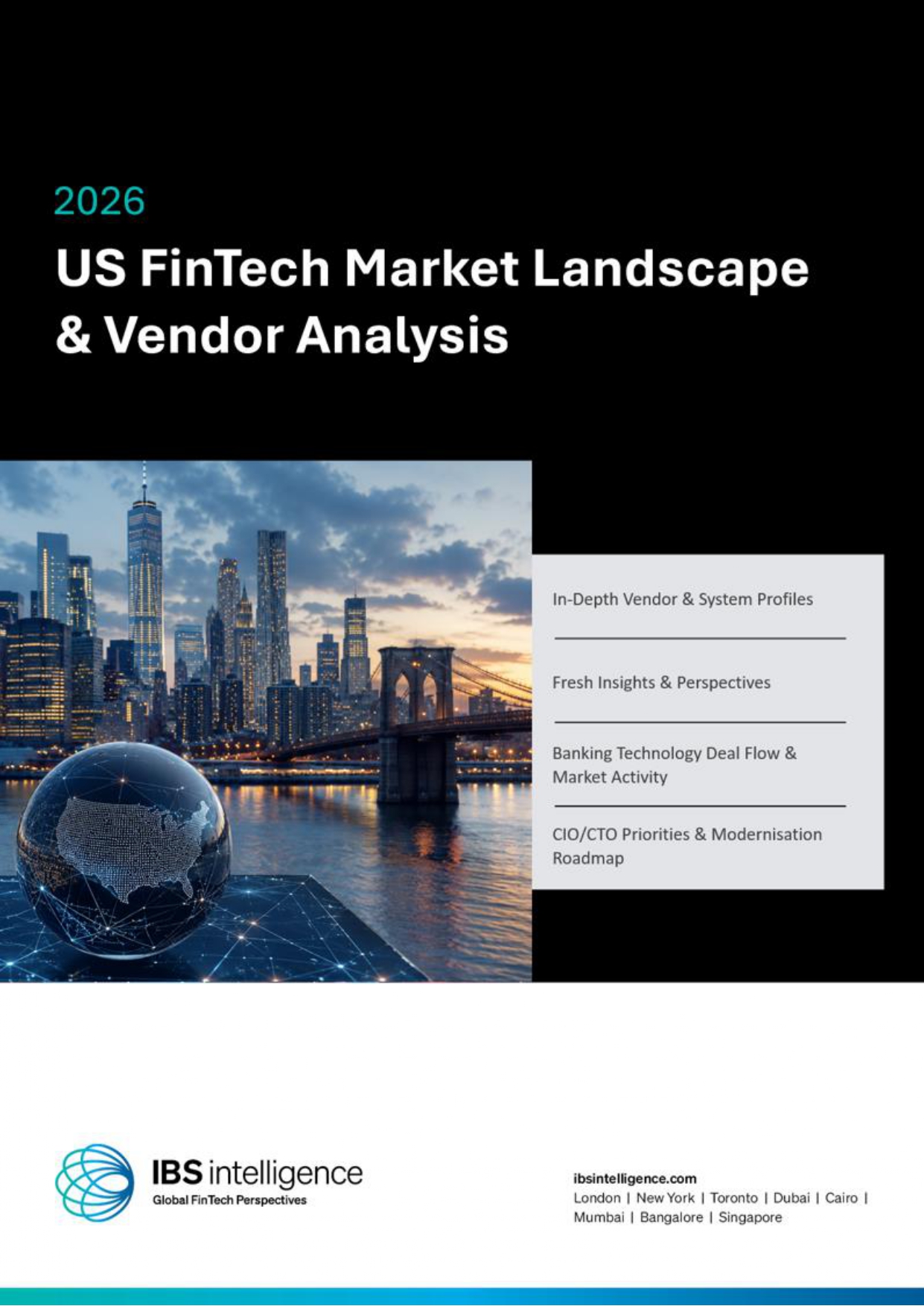
US FinTech Market Landscape & Vendor Analysis 2026
Know More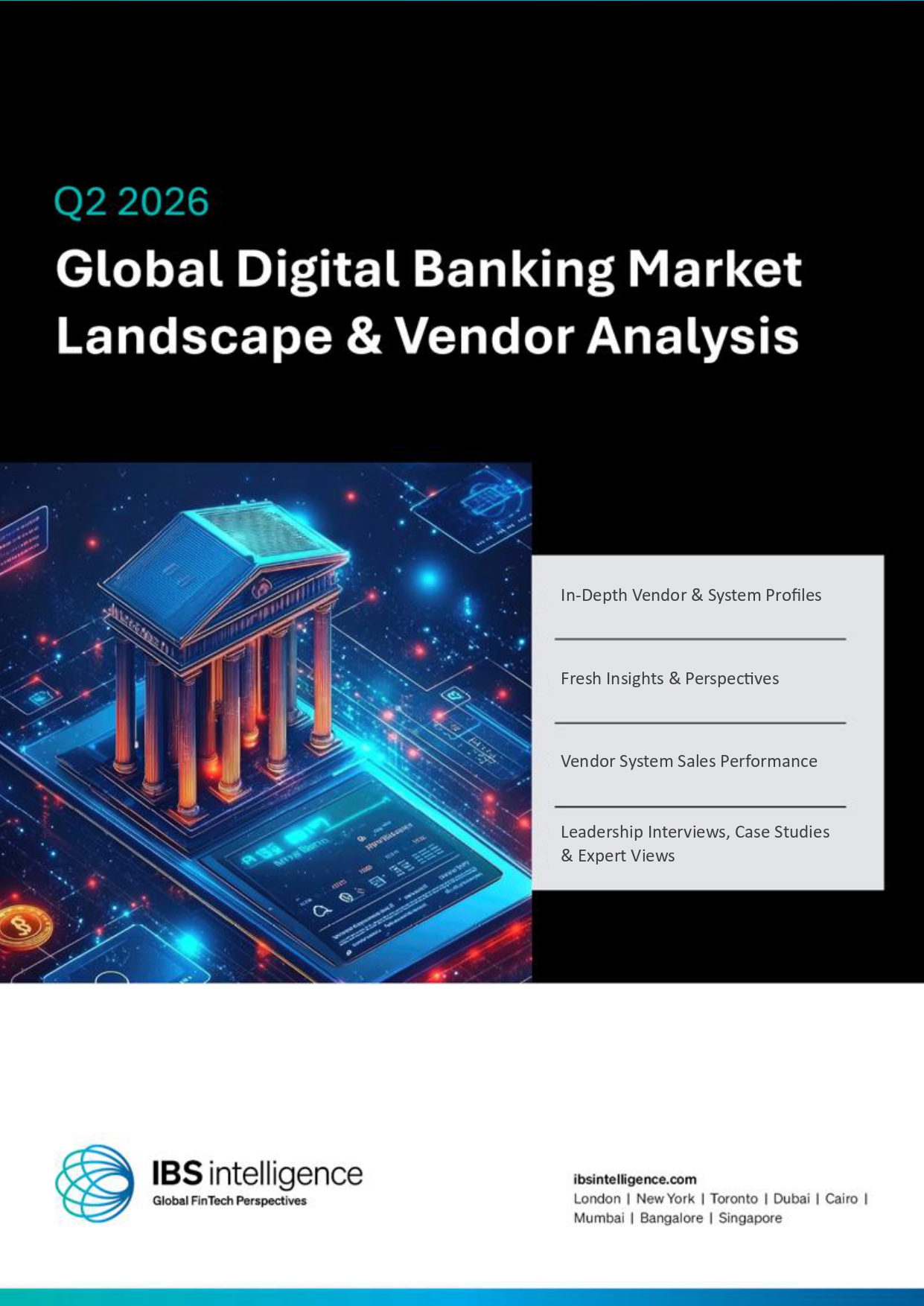
Global Digital Banking Market Landscape & Vendor Analysis Q2 2026
Know More
Wealth Management & Private Banking Systems Report Q4 2025
Know More
US FinTech Market Landscape & Vendor Analysis 2026
Know More