 Cedar-IBSi FinTech Labs
 Analyst Briefings
 Get in touch
 Back
Back
The Weekly Wrap: all you need to know by Friday COB | July 17th
By Puja Sharma
 The Weekly Wrap is published every Friday and recaps the week’s main stories and deals, as well as upcoming events and announcements for Prime subscribers only.
The Big Story
The proposed acquisition of PayPal by Stripe and private equity firm Advent International, reportedly valued at more than $53 billion, has the potential to become one of the largest FinTech deals ever, bringing together two of the most influential names in digital payments. If completed, the transaction would create a payments powerhouse processing trillions of dollars in annual transaction volume and significantly reshape the competitive landscape across online commerce and financial services.
However, beyond the headlines and scale of the transaction, industry experts argue that the deal raises important questions about the future direction of payment infrastructure. Julian Farley, Sales Director, UK & Europe at BPC, believed the acquisition is not simply about market consolidation but about how changing ownership structures affect long-term technology strategies.
As Farley explained: “The Stripe-PayPal deal raises an architectural question for banks and processors that goes beyond market consolidation. When two major payment platforms merge, you introduce a new layer of decision-making complexity: a payments company and a private equity firm with different incentives and timelines. That creates uncertainty about product direction, pricing models and integration roadmaps.”
He argued that financial institutions relying heavily on either Stripe or PayPal should use this moment to evaluate the flexibility of their payment’s infrastructure. “The question is not whether consolidation happens, it almost surely will, but whether your payments architecture can adapt when ownership structures change and strategic priorities shift,” Farley noted.
His comments highlight a growing concern among banks and payment providers: dependence on a single vendor can leave organisations vulnerable when ownership, strategy or investment priorities evolve. In this context, the proposed merger serves as a reminder that adaptability and modular infrastructure are increasingly critical. According to Farley, institutions best positioned to navigate industry consolidation are those that have prioritised flexibility from the outset, enabling them to respond effectively to shifting market dynamics, changing partnerships and future technological developments.
Deals of the week
- Payoneer opens India AI Innovation Hub
- AMINA Bank integrates Mesh to simplify regulated crypto deposits
- Sav taps Visa to expand digital payments in GCC
- Padder wins $100k FinTech grant to scale rental finance platform
- com secures $65m to expand AI-powered savings platform
- Karnataka Bank Digitises MSME Supply Chain Finance
- M2P Powers INDcredit’s Lending Platform
- Standard Chartered taps BlackRock for WealthTech
- Tabby launches fee-free spending account with cashback in UAE
Be on the lookout for
India’s FinTech ecosystem regained momentum in the first half of 2026, securing close to $2 billion in equity funding, marking its strongest half-year performance in more than two years. However, the recovery was largely fuelled by a small number of sizeable late-stage investments rather than a broad revival across the startup landscape. According to Tracxn, late-stage funding reached $1.6 billion, contributing the bulk of the capital raised, while both seed and early-stage investments continued to decline, underscoring investors’ preference for mature, lower-risk businesses.
Large funding rounds for companies including CRED, KreditBee, and Weaver were instrumental in driving overall investment volumes, with three transactions surpassing the $100 million mark. The figures suggest that while investor appetite for FinTech has strengthened, funding remains concentrated on established companies with proven business models rather than younger startups.
This cautious sentiment is also evident in the investor mix. Venture capital firms remained active in supporting early-stage ventures, but relatively few institutional investors participated in larger growth-stage financings, reflecting a selective approach to capital deployment.
Exit activity presented a mixed picture. Mergers and acquisitions moderated during the period, with both deal volumes and values declining from previous levels. Meanwhile, the public markets offered encouraging signs as FinTech firms such as Turtlemint and Kissht completed their stock market listings, highlighting IPOs as an increasingly viable exit path for founders and investors.
From a regional perspective, Bengaluru continued to dominate India’s FinTech funding landscape, attracting around 70% of the total capital raised during H1 2026, ahead of Mumbai and Gurugram. Overall, the funding data points to a sector on the path to recovery, although investment remains heavily skewed towards well-established FinTechs with demonstrated scale and sustainable growth prospects.

IBSi FinTech Journal
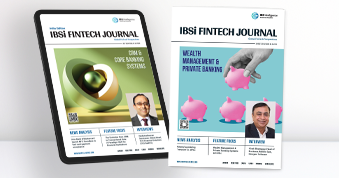
- Most trusted FinTech journal since 1991
- Digital monthly issue
- 60+ pages of research, analysis, interviews, opinions, and rankings
Other Related News
Related Reports
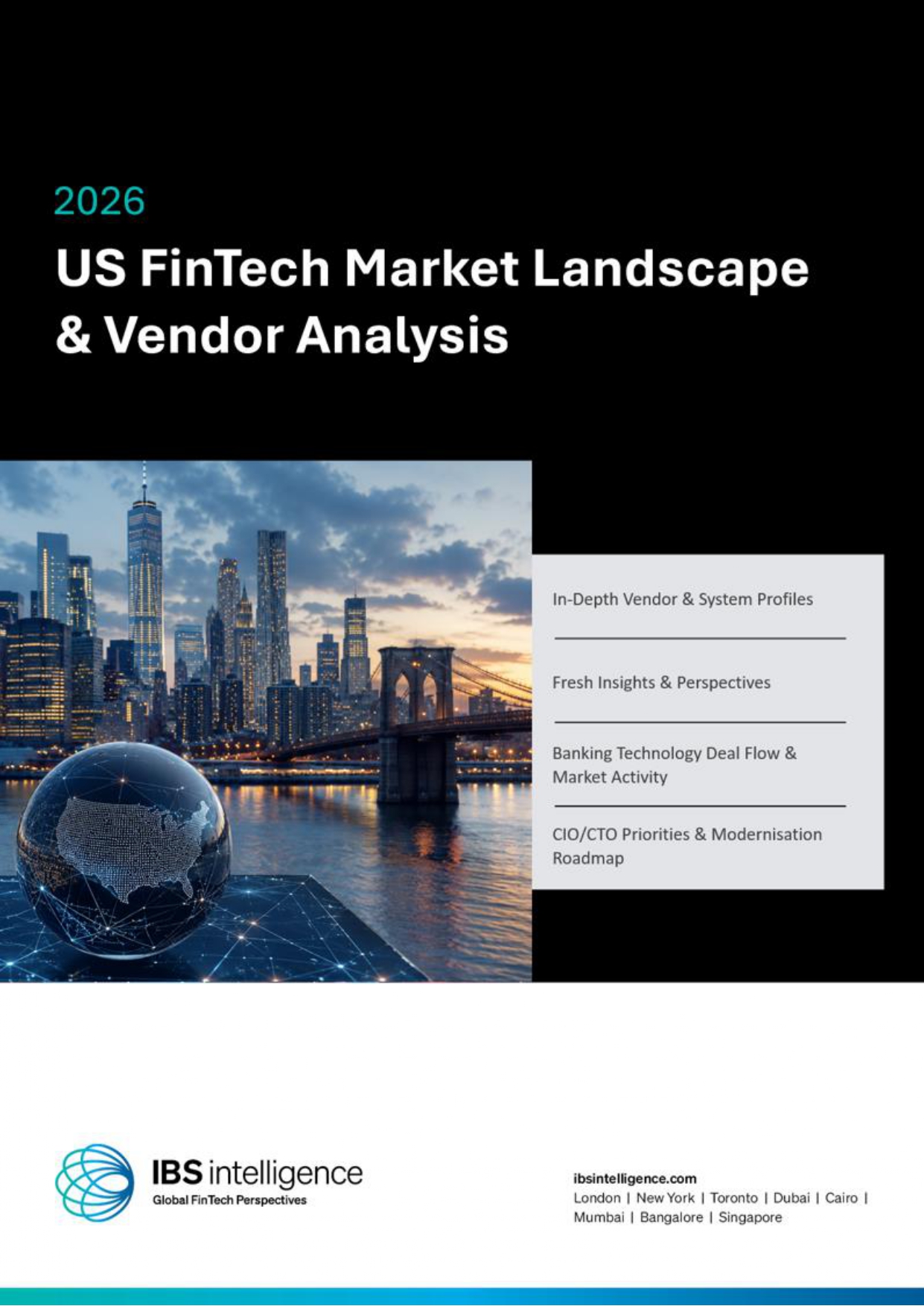
US FinTech Market Landscape & Vendor Analysis 2026
Know More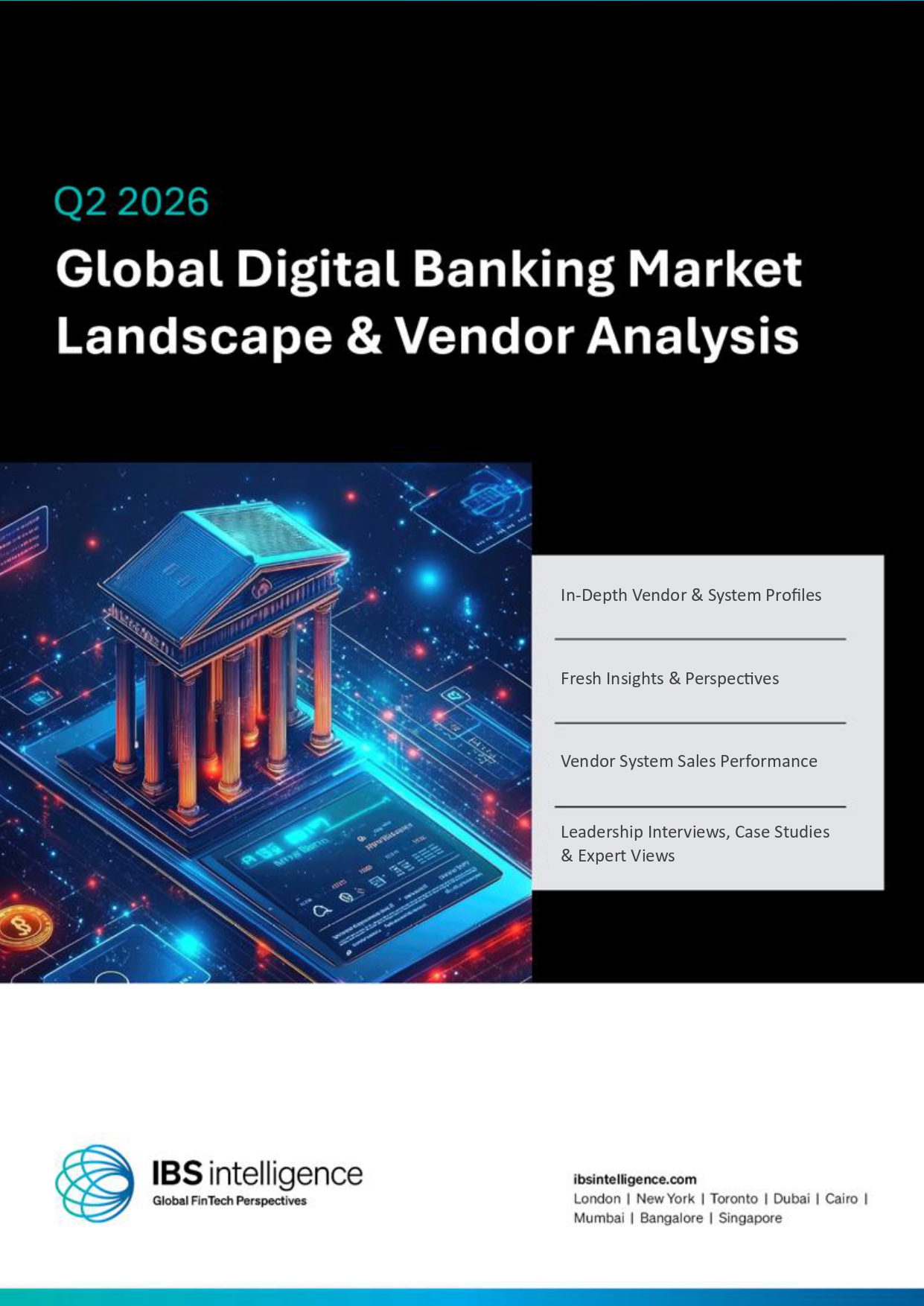
Global Digital Banking Market Landscape & Vendor Analysis Q2 2026
Know More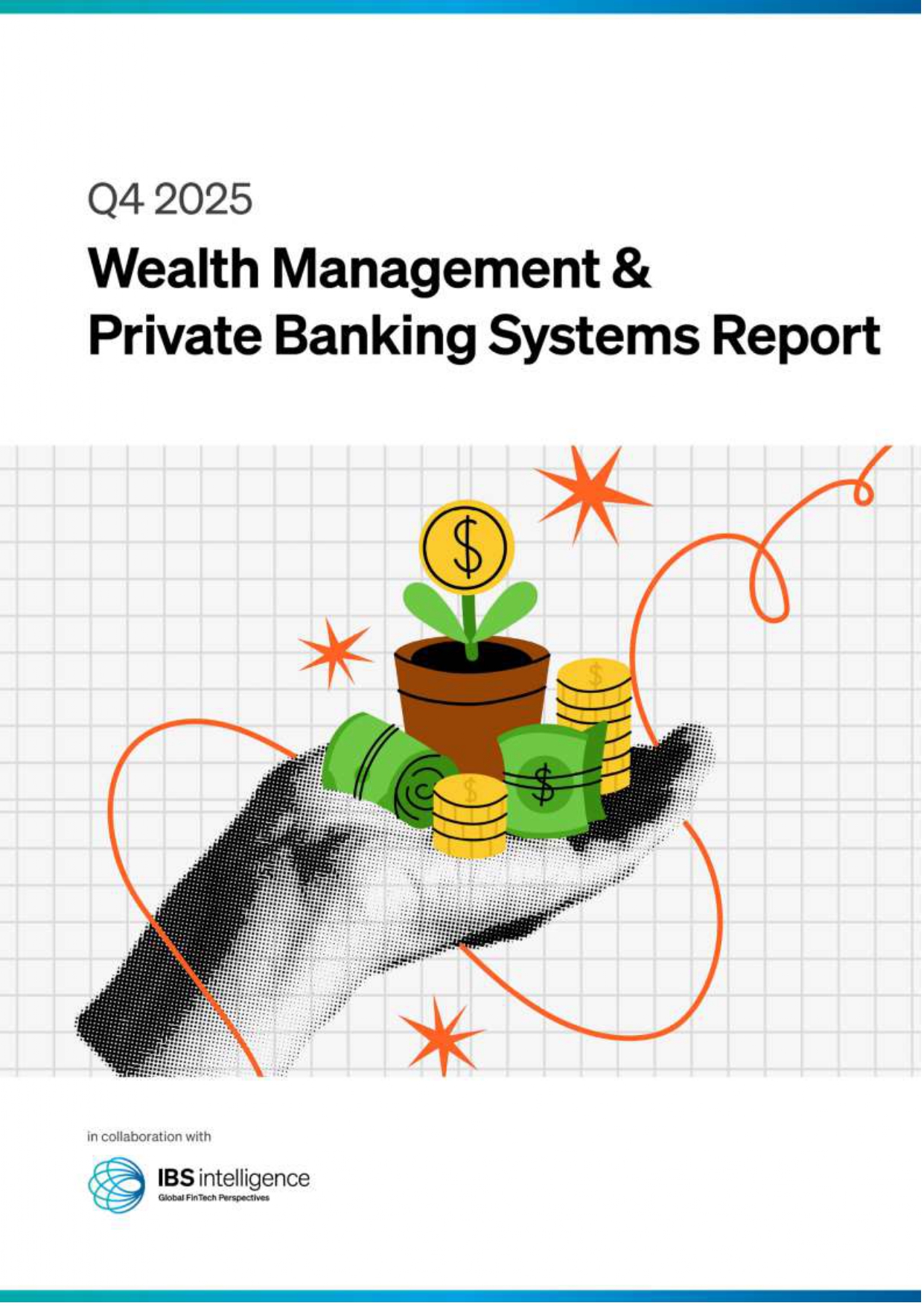
Wealth Management & Private Banking Systems Report Q4 2025
Know More
US FinTech Market Landscape & Vendor Analysis 2026
Know More