 Cedar-IBSi FinTech Labs
 Analyst Briefings
 Get in touch
 Back
Back
FinTechs confront growing AI and infrastructure threats
By Aarav Garg

Financial services security is being reshaped by AI-enabled attacks, API exposure and rising DDoS pressure, according to Akamai’s 2026 report on financial services threat trends. The report says attacks targeting the sector have become more persistent and adaptive, and it points to a widening visibility gap created by digital transformation across banking and payments.
A key finding is that 73% of firms said they could not see which APIs exposed sensitive data, leaving the connective layer of modern banking more exposed to abuse. The report also said banking absorbed 83% of API endpoint attacks in 2025, underlining how financial institutions remain a major target as more services move to app-based and API-led delivery models.
The same pressure is being felt on availability and infrastructure resilience. Akamai said accelerated development cycles made Asia-Pacific the top Layer 7 DDoS target, while maximum Layer 3 and 4 DDoS attack events rose 236% from 2024 to 2025. For FinTech firms, that points to a security environment where uptime, traffic management and abuse prevention are becoming core operating concerns rather than back-office issues.
The wider implication is that FinTech security is no longer just about stopping traditional fraud. As AI amplifies the scale and speed of attacks, firms are being pushed to improve API visibility, strengthen bot and abuse controls and adopt more continuous monitoring across digital channels. The report’s framing suggests that institutions relying on fast product release cycles and cloud-native infrastructure will need security tooling that can match that pace without slowing customer experience.
For banks, PSPs and digital lenders, the message is clear: in a market shaped by instant payments, open APIs and real-time commerce, security architecture is becoming a competitive requirement as much as a compliance one.


IBSi FinTech Journal
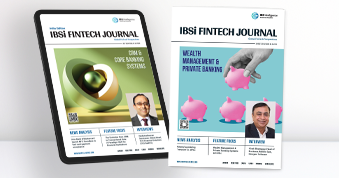
- Most trusted FinTech journal since 1991
- Digital monthly issue
- 60+ pages of research, analysis, interviews, opinions, and rankings
Other Related News
Related Reports
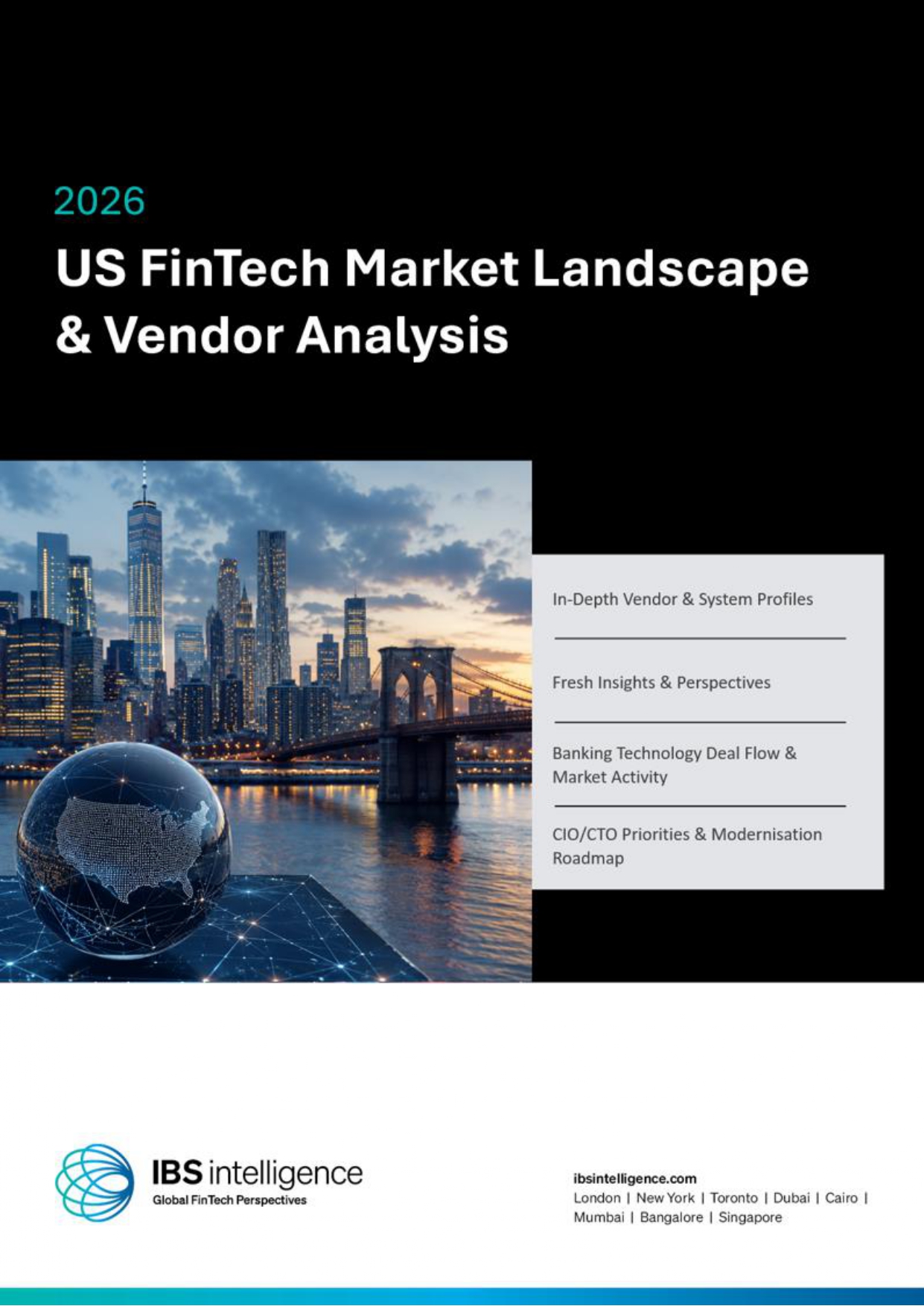
US FinTech Market Landscape & Vendor Analysis 2026
Know More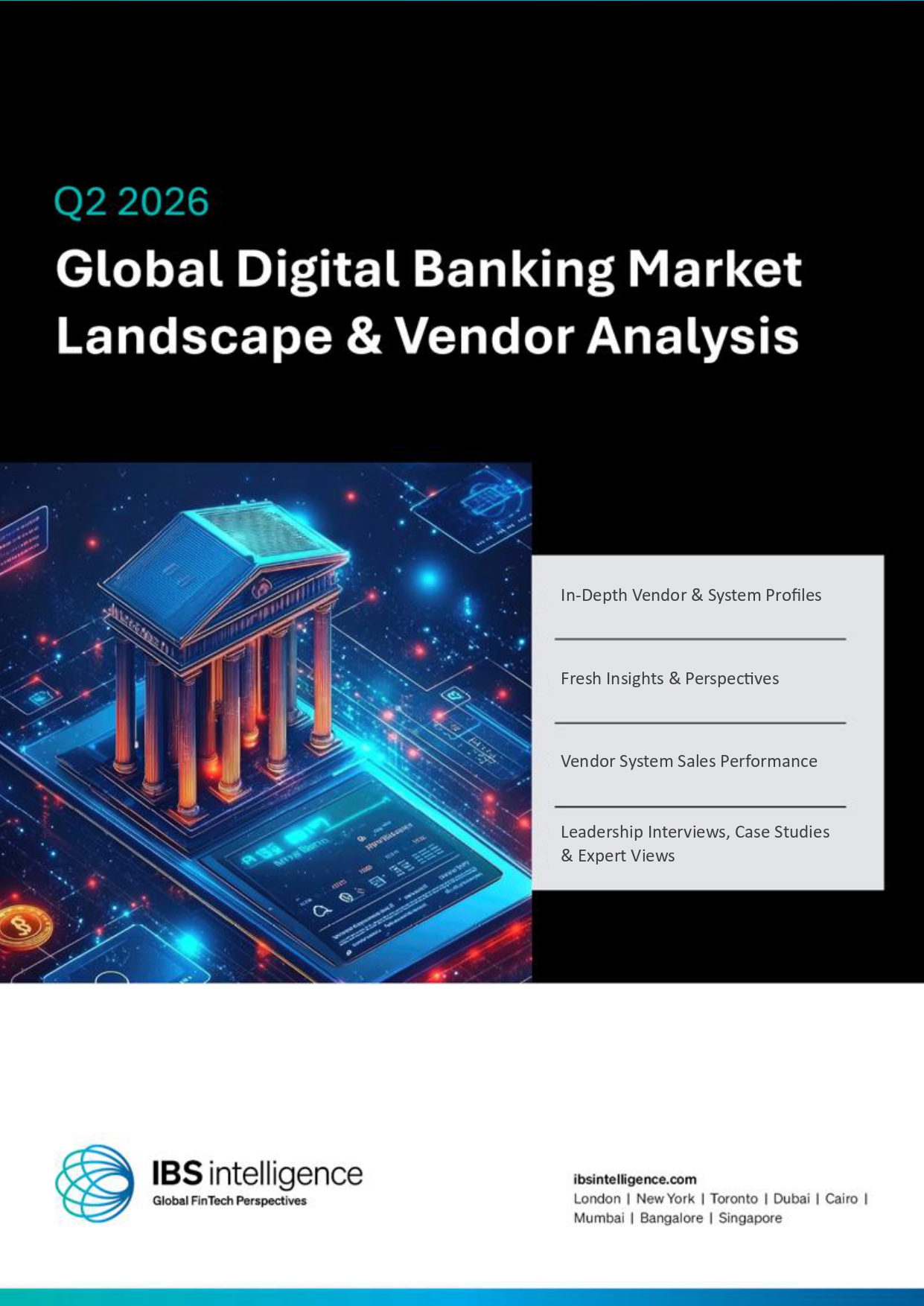
Global Digital Banking Market Landscape & Vendor Analysis Q2 2026
Know More
Wealth Management & Private Banking Systems Report Q4 2025
Know More
US FinTech Market Landscape & Vendor Analysis 2026
Know More