 Cedar-IBSi FinTech Labs
 Analyst Briefings
 Get in touch
 Back
Back
The Deep dive: UK Wealth Managers warm to AI, but keep guardrails tight
By Puja Sharma

The deep dive’ is our bi-weekly exploration of a relevant topic, hot trend, or new product. For Prime subscribers only.
How does it work?
Around 62% of advisers comfortable with AI in platforms, but adoption shaped by regulation and control, says GBST
GBST noted that the debate around AI in wealth management has become oversimplified
The latest research from global wealth management technology provider GBST shows that almost two-thirds (62%) of UK advisers are already comfortable with the concept of agentic AI being used in investment platforms.* However, this growing openness to AI contrasts with the practical realities of deploying it safely within regulated environments. GBST argues that the broader debate around the impact of AI on financial services has become oversimplified.
AI is increasingly viewed as a universal disruptor, but for highly regulated firms dealing with millions of customers and billions of pounds in investment, it will need to be embedded within existing controls and governance. Rather than replacing core wealth management platforms, AI will be built within proven infrastructure that can already manage complexity, regulation and risk.
For wealth managers, there’s a significant opportunity to improve efficiency, speed up processes and cut errors, but only within strict limits and controls. With people’s financial security at stake, the priority is to ensure AI operates reliably every time, delivering outcomes that clients and regulators can trust.
Who is under the radar?
GBST has identified ways AI will impact wealth management and platform technology over the next two years.
- Regulation will set the pace of AI adoption
While there is a lot of excitement around AI tools, only a fraction will stand the test of time. Wealth managers have a responsibility to safeguard customers’ long-term finances and outcomes must be explainable, repeatable and auditable. This is driving demand for AI that operates effectively within existing control frameworks, rather than tools that are bolted on the side.
- AI will take on complex manual work
The real power of AI will be felt behind the scenes in areas investors never see. Agentic AI, which is designed to operate within defined limits, will enable firms to automate complex, high-volume wealth administration processes that are currently largely manual. Each firm has its own unique way of doing things and this lack of standardisation makes traditional rules-based automation difficult. With AI, firms can execute their own processes consistently at scale, so they can work more efficiently without changing how they operate. This will have a significant impact on activities like transfers, with AI completing the multiple checks and validations involved quickly and consistently.
- AI will be controlled, not autonomous
Some of the concern around AI focuses on autonomous systems that can make open-ended decisions and take actions without human input. Highly regulated environments need AI that is designed to carry out tightly defined tasks, following the same permitted sequence every time and deferring to human judgement when agreed conditions are not met. This allows firms to increase efficiency, while keeping control over how decisions are made and risks are managed.
- Transparency will decide which AI solutions scale and which fail
In wealth management, it’s not enough for something to work; it also needs to be explainable. Firms need to understand each step taken and how decisions are made. Only AI systems that are designed to be transparent and auditable will be used in a regulated environment. Those that can’t deliver this will struggle to gain real adoption.
Why does it matter now?
AI will sit inside core platforms
Today many AI tools sit outside core systems, which can create challenges with integration and oversight and add another layer of complexity. Wealth managers increasingly want AI embedded into the platform itself, within the existing safeguards that protect customers. This approach allows AI to become part of how firms operate, instead of something they have to manage separately.
Rob DeDominicis, CEO of GBST, said: “At the moment, there’s too much focus on the disruption AI could cause and not enough on how it can be used safely to transform complex, manual processes. Platforms and wealth managers in the UK have come a long way in automating routine processes in the last 15 years, but human intervention is still required in too many situations, adding risk, cost and delay. AI can deliver the next round of efficiency, but only if it operates within existing controls, executing processes consistently and transparently.
“Firms are starting to move away from AI experimentation and are looking for real operational impact. But for AI to become genuinely valuable, we need it to meet the required industry standards. We’re responsible for millions of people’s long-term financial security, so there’s no room for shortcuts.”



IBSi FinTech Journal
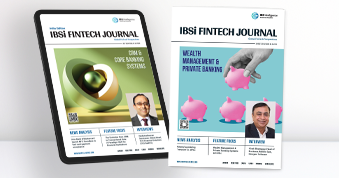
- Most trusted FinTech journal since 1991
- Digital monthly issue
- 60+ pages of research, analysis, interviews, opinions, and rankings
Other Related News
Related Reports
US FinTech Market Landscape & Vendor Analysis 2026
Know More
Global Digital Banking Market Landscape & Vendor Analysis Q2 2026
Know More
Wealth Management & Private Banking Systems Report Q4 2025
Know More
US FinTech Market Landscape & Vendor Analysis 2026
Know More