 Cedar-IBSi FinTech Labs
 Analyst Briefings
 Get in touch
 Back
Back
Ant International shows APAC FinTech infrastructure growth
By Aarav Garg

Recent developments around Ant International highlight a broader shift underway in Asia-Pacific FinTech, where scale is increasingly being built through regulated infrastructure, interoperability, and embedded financial services rather than standalone products.
Over the past year, the company has focused on strengthening cross-border payment rails and treasury capabilities. A pilot with HSBC in Hong Kong tested real-time tokenised deposits using its Whale platform, enabling continuous HKD and USD transfers. The initiative signalled a move beyond experimentation, pointing to tokenisation becoming a practical tool for corporate treasury and liquidity management in major financial centres.
Expansion has also been driven by regulatory licensing. Through its subsidiary WorldFirst, Ant International secured approval to operate in Malaysia, extending its reach in Southeast Asia’s SME payments segment. This reflects a wider regional trend, where FinTechs are prioritising local licences to navigate fragmented regulatory environments and unlock domestic payment corridors.
At the network level, interoperability remains central. Its Alipay+ platform has expanded QR-based payment acceptance across markets including Kazakhstan and Sri Lanka, while also linking with domestic systems such as India’s UPI. These integrations point to a gradual convergence of payment ecosystems across APAC, where wallet-based and account-to-account systems are becoming increasingly interconnected.
More recently, Ant International introduced privacy-enhancing technologies across its network, aimed at enabling secure data sharing without exposing sensitive information. As cross-border flows scale, such capabilities are becoming critical to meeting regulatory expectations around data sovereignty and consumer protection.
Taken together, these developments reflect a broader evolution in APAC FinTech. The focus is shifting toward infrastructure that combines payments, treasury, compliance, and data capabilities into unified platforms. For financial institutions and FinTech firms in the region, the implication is clear: future competitiveness will depend less on front-end innovation alone and more on the ability to operate across borders, systems, and regulatory regimes with speed and trust.


IBSi FinTech Journal
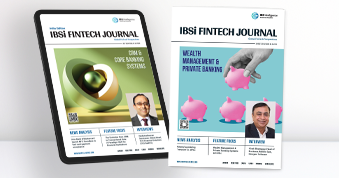
- Most trusted FinTech journal since 1991
- Digital monthly issue
- 60+ pages of research, analysis, interviews, opinions, and rankings
Other Related News
Related Reports
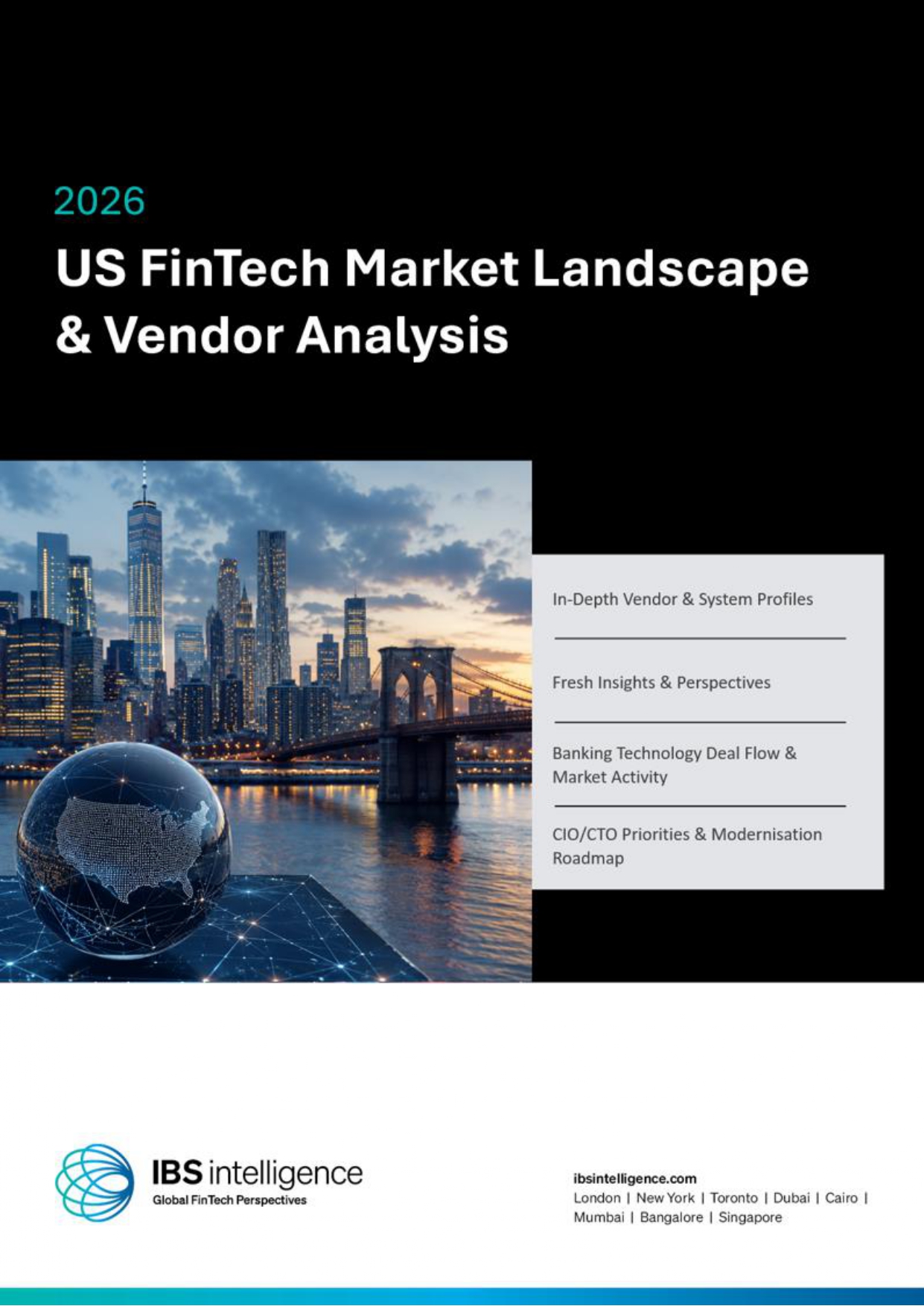
US FinTech Market Landscape & Vendor Analysis 2026
Know More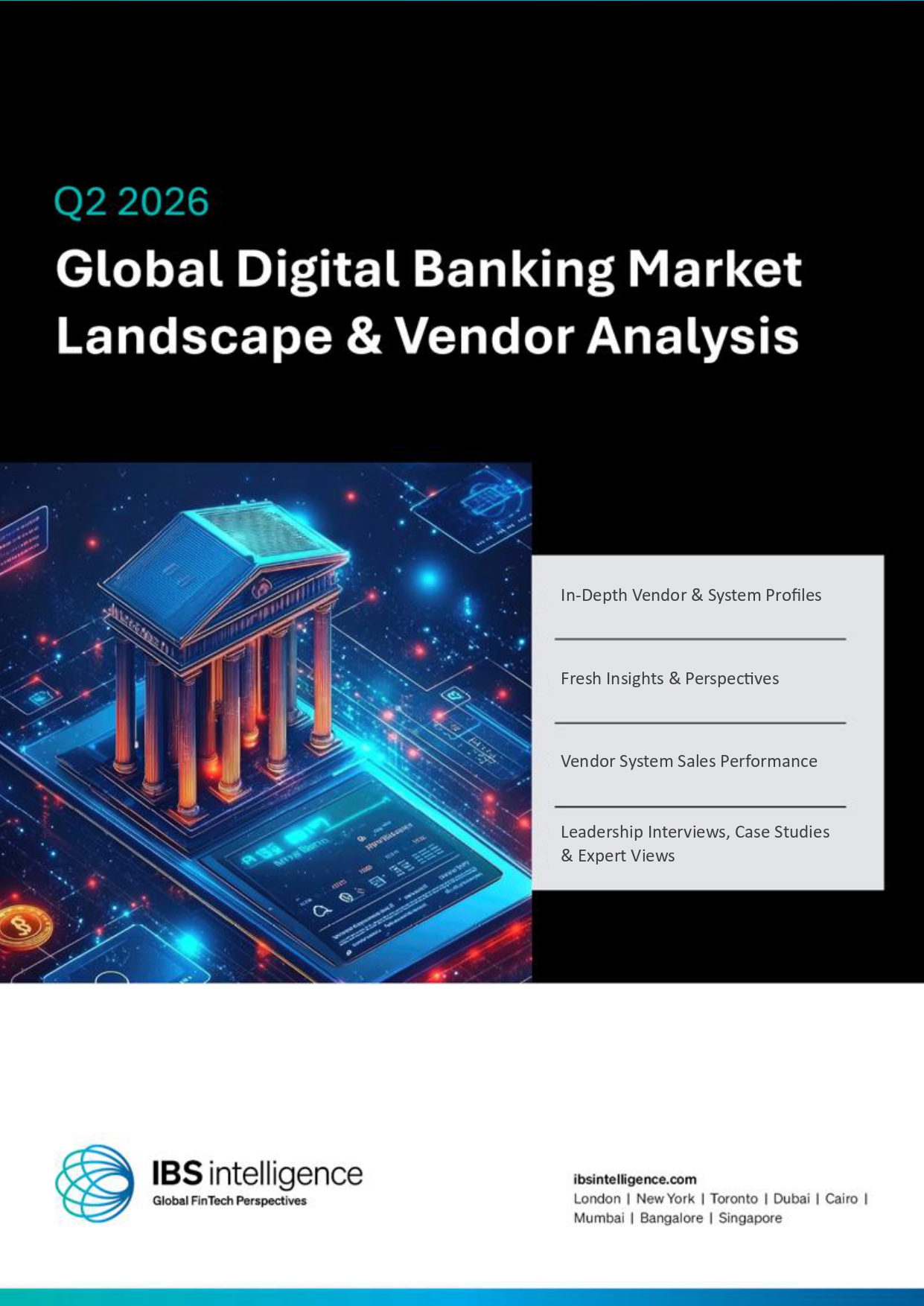
Global Digital Banking Market Landscape & Vendor Analysis Q2 2026
Know More
Wealth Management & Private Banking Systems Report Q4 2025
Know More
US FinTech Market Landscape & Vendor Analysis 2026
Know More