 Cedar-IBSi FinTech Labs
 Analyst Briefings
 Get in touch
 Back
Back
UPI accounts for nearly half of global instant payments
By Vriti Gothi

The International Monetary Fund’s recognition of India’s Unified Payments Interface (UPI) as the largest retail fast-payment system globally has reinforced the country’s position as a leader in real-time digital transactions. UPI now accounts for nearly half of instant payments worldwide, underscoring the scale, interoperability, and accessibility that the platform has achieved over the past seven years.
The acknowledgement comes at a time when UPI adoption is deepening beyond urban centres, with merchant digitisation picking up across smaller towns and rural markets. This shift signals a broad-based transformation in everyday commerce, particularly for micro-enterprises and informal retail.
Anand Kumar Bajaj, Founder, MD & CEO of PayNearby, said the milestone reflects the strength of institutional collaboration and ecosystem-wide innovation. “The IMF’s recognition of UPI as the world’s largest retail fast-payment system, with nearly half of global real-time payment transactions, reflects the scale and interoperability that India’s digital payments infrastructure has steadily achieved,” he noted, citing the combined role of the Government, RBI, and NPCI.
Bajaj highlighted the significance of expanding QR touchpoints across Tier III to VI locations, a trend that is reshaping how smaller merchants transact. “With millions of merchants now actively participating in the formal digital economy, UPI is playing a critical role in improving access, transparency, and transaction ease,” he said. He added that continued merchant-level support and reliability will be central to sustaining this momentum.
The growth trajectory is not only domestic. UPI is increasingly positioned as a reference framework for countries looking to build low-cost real-time payment systems, with several bilateral pilots underway.
According to Akash Sinha, CEO & Co-founder of Cashfree Payments, the opportunity is now shifting toward cross-border commerce. “UPI is now the reference architecture for real-time payments, accounting for nearly half of all instant transactions worldwide,” he said. “With the right regulatory bridges and settlement frameworks, 2026 could be the year UPI-linked global payments move from controlled pilots to meaningful scale.”
Sinha pointed to the evolution of UPI-enabled credit, biometric authentication, and new layers such as Reserve Pay as catalysts for higher-value, more contextual transactions. He also noted that Cashfree, having secured a full PA-CB licence for both imports and exports, is preparing infrastructure aimed at enabling “a truly borderless payments ecosystem.”
Industry observers believe that IMF recognition may further accelerate international interoperability efforts and strengthen investor interest in India’s digital public infrastructure model. Domestically, it is expected to trigger renewed focus on merchant trust, operational resilience, and expansion of formal digital financial behaviour in small markets.
UPI’s next phase will likely balance scale with sustainability, as stakeholders look to integrate credit, global corridors, and sector-specific use cases—potentially positioning India as an exporter of digital payment infrastructure while continuing to widen access at home.
IBSi FinTech Journal
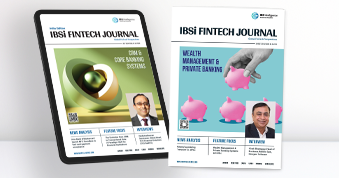
- Most trusted FinTech journal since 1991
- Digital monthly issue
- 60+ pages of research, analysis, interviews, opinions, and rankings
- Global coverage