 Cedar-IBSi FinTech Labs
 Analyst Briefings
 Get in touch
 Back
Back
The Monday Roundup: what we are watching this week | May 4th
By Puja Sharma
 The Monday Roundup sets the scene for the week’s biggest news stories, industry deals, and upcoming events. For Prime subscribers only.
Growing digital payments in the UAE
 RAKBANK and Network International have completed their merchant acquiring partnership in the UAE following approval from the Central Bank of the UAE, marking a key step in expanding digital payment capabilities across the country.
The agreement, first announced in November 2025, will see Network International deploy its payment infrastructure and solutions across RAKBANK’s merchant base, serving both small and medium-sized enterprises (SMEs) and large businesses. The collaboration aims to enhance payment processing efficiency, improve settlement timelines, and provide access to modern digital payment tools.
The move comes as digital payments continue to grow rapidly in the UAE, driven by increasing adoption of contactless transactions, eCommerce, and digital wallets. By strengthening its acquiring capabilities, RAKBANK aims to better support merchants operating in an increasingly digital-first environment.
The partnership also expands Network International’s presence in Ras Al Khaimah, a region experiencing rising commercial activity and investment. Both companies said they are focused on ensuring a smooth transition for existing merchants, with minimal disruption to ongoing payment operations. For SMEs, the upgrade is particularly significant, as reliable and efficient payment systems are essential for managing cash flow and daily business activities. The enhanced infrastructure is expected to provide greater stability and scalability as businesses grow.
 VaultsPay has entered into a strategic collaboration with Mastercard to enhance digital payment capabilities and promote financial inclusion in the UAE.
Under the agreement, VaultsPay will leverage Mastercard’s global network and technology to issue both virtual and physical payment cards. The partnership will allow the FinTech firm to expand its portfolio of acquiring, digital payment, and consumer-focused services, offering more flexible and scalable solutions to individuals and businesses. The collaboration is expected to enable the launch of a wide range of card products tailored to evolving customer needs. By integrating Mastercard’s secure and globally accepted payments infrastructure, VaultsPay aims to deliver seamless and reliable payment experiences across retail and digital channels.
The partnership aligns with the UAE’s broader push toward a cashless economy and a digitally enabled financial ecosystem. By combining VaultsPay’s FinTech capabilities with Mastercard’s global infrastructure, the collaboration is expected to accelerate the adoption of secure, frictionless payment solutions across the region.
Banks embed AI to boost service and cut costs
 TBC Uzbekistan has launched an AI-powered assistant, Lola, as part of its broader push to build an AI-led digital banking model, marking a step toward more conversational and automated customer engagement.
The assistant, now being rolled out across the TBC Bank mobile app after an initial soft launch in late 2025, is designed to handle routine customer interactions, including navigation queries and product information, while allowing escalation to human agents when required. The move reflects a wider trend in FinTech, where banks are embedding AI into customer journeys to improve responsiveness and reduce service costs.
Lola operates on TBC Uzbekistan’s proprietary infrastructure, supported by one of the country’s largest GPU clusters. The bank said this approach allows it to retain control over model development and data handling, aligning with regulatory requirements and security standards. Initially focused on answering frequently asked questions, the assistant is expected to evolve into a more advanced financial tool. Planned features include access to loan information such as balances, repayment schedules and upcoming payments. Over time, the bank aims to expand capabilities into areas such as budgeting, spending analysis and payments, positioning Lola as a digital financial assistant.
 Federal Bank has agreed to acquire a select credit card portfolio from Standard Chartered Bank, India, in a move aimed at scaling its retail credit business and strengthening its position in urban markets. The transaction will see Federal Bank take on up to approximately 450,000 credit cards, expanding its existing base of 800,000 non-co-branded and 1.3 million co-branded cards. The deal is expected to significantly increase its non-co-branded receivables, with estimates suggesting a rise of around 90%, subject to final balances and customer consent at the time of transfer.
For Standard Chartered Bank, India, the transaction aligns with its strategy to sharpen focus on wealth management and affluent clients, moving away from standalone, single-product relationships such as unsecured cards. The portfolio is valued at approximately 1.5 to 1.6 times implied equity, with the final consideration linked to receivables at the point of transfer. The transaction is not subject to regulatory approvals and is expected to close within calendar year 2026, with further details to be disclosed closer to completion.
What is the Buzz
 The Bank of England has kept Bank Rate at 3.75%, as the Monetary Policy Committee weighed rising inflation against weaker economic activity and uncertainty over global energy prices.
The Committee’s main concern was whether the energy shock could trigger second-round effects in wage and price setting. In other words, firms could raise prices further to protect margins, while workers could seek higher pay to offset rising living costs. The Bank said those risks would depend on how long energy prices remain elevated and how households and businesses respond. For financial services firms, the decision keeps borrowing costs stable for now, but it does not remove pressure from the wider operating environment. Lenders, payments firms and FinTechs remain exposed to tighter financial conditions, weaker demand and slower consumer spending. Higher utility and fuel costs could also affect credit performance, cash flow and customer behaviour across retail banking, SME lending and merchant services.
For FinTech and financial infrastructure providers, the outlook remains mixed. Higher inflation can support demand for budgeting, cash flow, treasury and risk-management tools, but it can also slow lending volumes and raise funding costs. The Bank said it will continue to watch energy markets, inflation expectations, labour data and business pricing behaviour closely before deciding whether further action is needed.

IBSi FinTech Journal
- Most trusted FinTech journal since 1991
- Digital monthly issue
- 60+ pages of research, analysis, interviews, opinions, and rankings
Other Related News
Related Reports
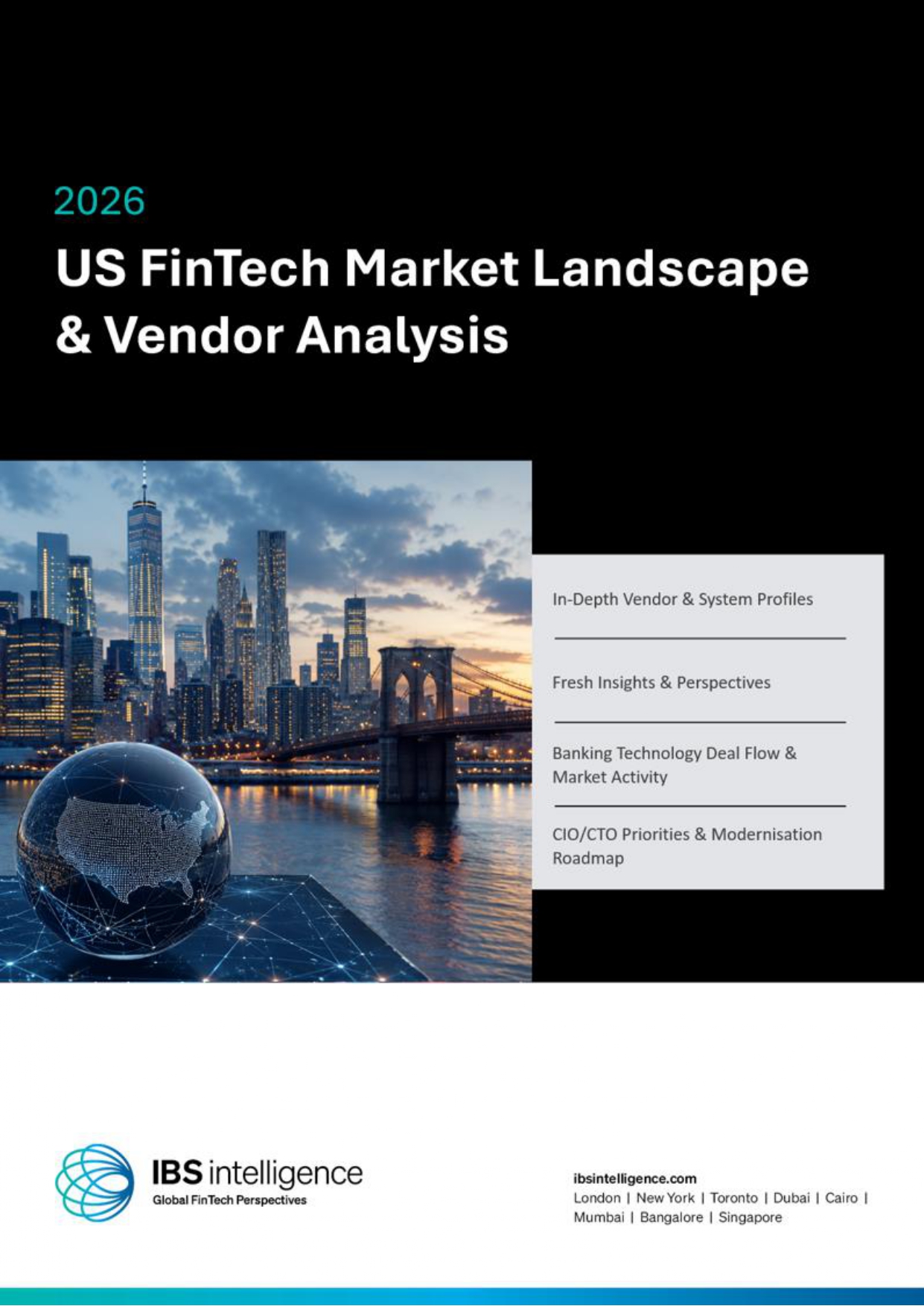
US FinTech Market Landscape & Vendor Analysis 2026
Know More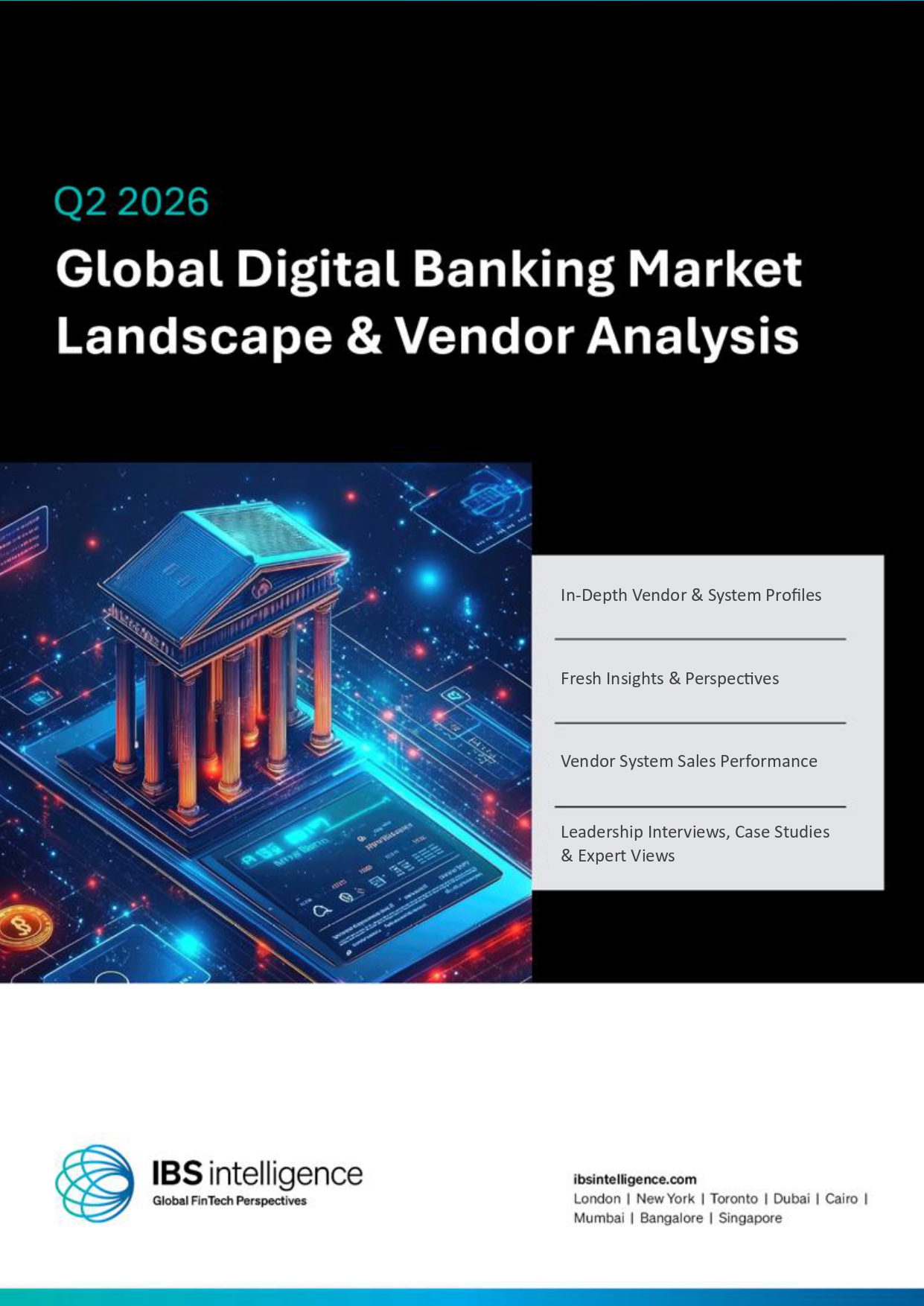
Global Digital Banking Market Landscape & Vendor Analysis Q2 2026
Know More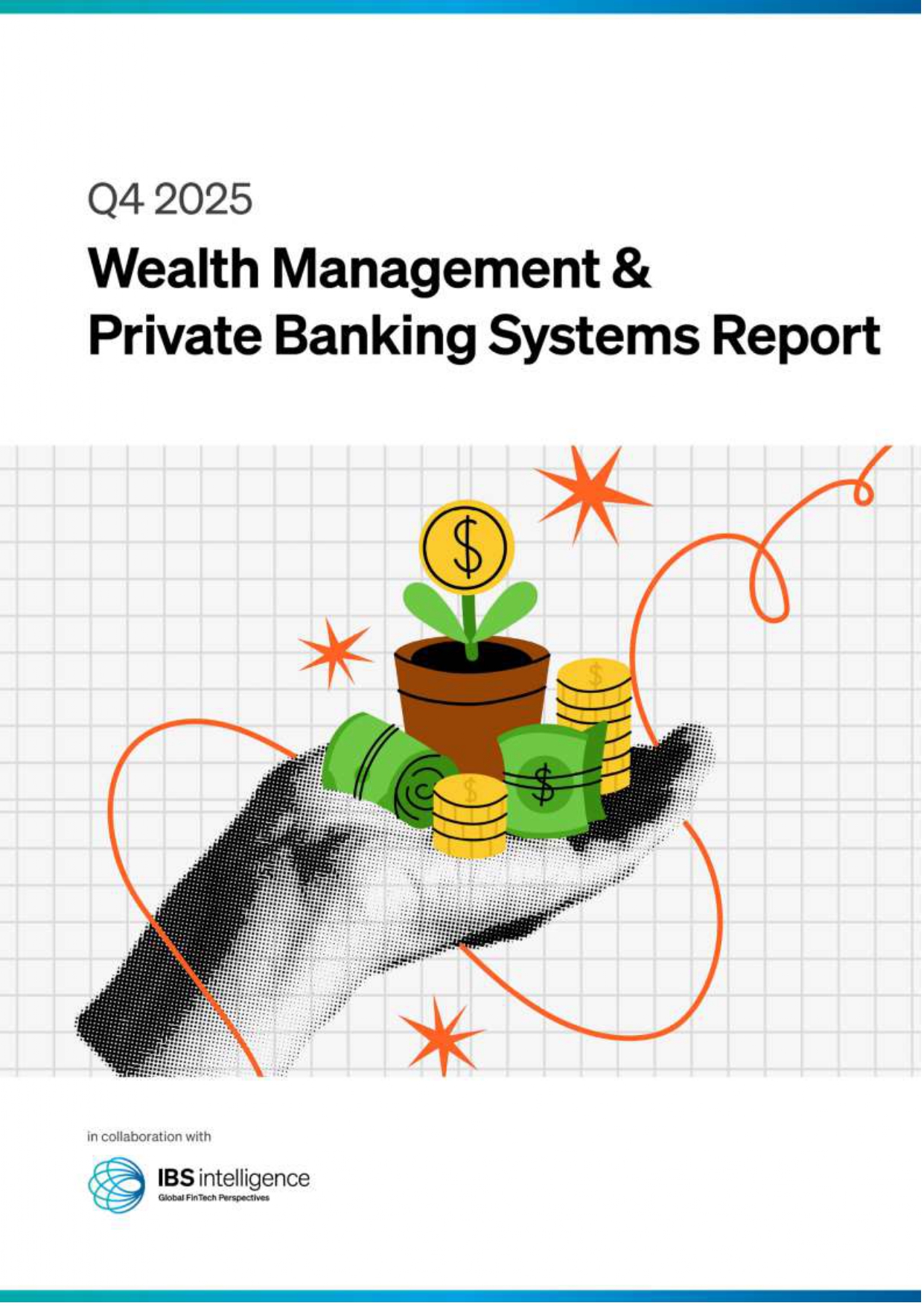
Wealth Management & Private Banking Systems Report Q4 2025
Know More
US FinTech Market Landscape & Vendor Analysis 2026
Know More