 Cedar-IBSi FinTech Labs
 Analyst Briefings
 Get in touch
 Back
Back
Pesalink and PAPSS unlock cross-border payments in Kenya
By Vriti Gothi

Kenya’s instant payments network Pesalink has partnered with the Pan-African Payment and Settlement System (PAPSS) to enable real-time cross-border bank transfers settled in local currencies, a move aimed at reducing costs and improving payment efficiency across the region.
The integration allows 24/7 instant payments from PAPSS participants into banks and mobile money providers connected to the Pesalink network. More than 80 Kenyan institutions—including banks, FinTechs, savings and credit cooperatives (SACCOs) and telecommunications providers—will now be linked to over 160 financial institutions on the PAPSS platform.
PAPSS, an initiative of African Export-Import Bank in collaboration with the African Union and the African Continental Free Trade Area Secretariat, is designed to facilitate cross-border payments across African markets without reliance on correspondent banking networks or hard currencies such as the US dollar.
The partnership addresses longstanding frictions in intra-African payments. According to the World Bank, remittance costs within Africa averaged 7–8% of transaction value in 2023, above the global average, while settlement times can range from three to seven business days. By enabling local-currency clearing and direct connectivity, the Pesalink–PAPSS link is expected to lower fees and accelerate settlement cycles for individuals, SMEs and corporates engaged in regional trade.
Mike Ogbalu III, CEO of PAPSS, said collaboration with domestic payment infrastructures is critical to scaling the system’s impact. “Pesalink is the first switch we’ve piloted for transaction termination in Kenya, and we are already seeing greater adoption by opening more channels for seamless, local-currency cross-border payments across Africa,” he said.
Pesalink CEO Gituku Kirika said the integration will enable Kenyan banks to offer faster and more affordable regional transfers, supporting businesses as they expand cross-border trading relationships.
The development reflects a broader push to strengthen Africa’s real-time payment interoperability and support the objectives of the African Continental Free Trade Area by improving financial connectivity. For banks and FinTechs, direct integration with regional settlement infrastructure reduces dependence on costly intermediary networks, while local-currency settlement helps mitigate foreign exchange constraints—an increasingly important consideration as intra-African commerce grows.



IBSi FinTech Journal
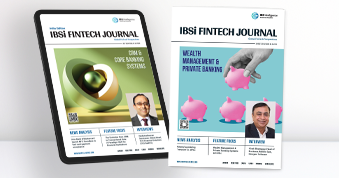
- Most trusted FinTech journal since 1991
- Digital monthly issue
- 60+ pages of research, analysis, interviews, opinions, and rankings
Other Related News
Related Reports

US FinTech Market Landscape & Vendor Analysis 2026
Know More
Global Digital Banking Market Landscape & Vendor Analysis Q2 2026
Know More
Wealth Management & Private Banking Systems Report Q4 2025
Know More
US FinTech Market Landscape & Vendor Analysis 2026
Know More