 Cedar-IBS Intelligence FinTech Labs
 Analyst Briefings
 Get in touch
 Back
APAC businesses face rising cross-border payment costs
By Divya Shah
 Why this matters: The findings highlight opportunities for FinTechs to improve cross-border payments through transparent pricing, faster settlement, local currency conversion and stablecoin infrastructure.
Businesses across Singapore, Hong Kong, the Philippines, Indonesia and Vietnam continue to face high transaction fees, payment delays and uncertainty around cross-border transfers, according to new research by Morph, a blockchain infrastructure and stablecoin company.
The research, titled The Cost of Getting Paid, was produced by Morph and Studio by Informa TechTarget. It surveyed 150 independent operators, freelancers, consultants and business decision-makers involved in cross-border payments to understand how payment challenges affect business operations and whether stablecoins could offer an alternative.
The study found that high transaction fees and foreign exchange (FX) markups were the most common challenges, with 79% of respondents identifying them as a problem. Meanwhile, 68% said slow payment processing had made it harder to manage incoming cash flow, while 66% struggled to predict when cross-border payments would arrive.
The findings also showed strong demand for alternative payment options, with 94% of respondents saying another payment method would be valuable as a backup when traditional payment channels are delayed or unavailable.
Although interest in stablecoins is increasing, actual adoption remains limited. Among 149 respondents familiar with stablecoins, only 10% were currently using them, while 38% were actively considering adoption within the next 12 to 24 months. Another 26% said they might consider using them later.
Despite limited current use, businesses were optimistic about the future role of stablecoins. Around 78% of respondents believed stablecoins or programmable tokenised cash could become a standard checkout or payout option in their industry within the next three years.
However, the study found that adoption would depend on familiar payment safeguards. Among 126 respondents asked about adoption requirements, 96% said regulatory compliance would have a very high impact on their confidence in using stablecoins.
The ability to convert and withdraw funds instantly into local bank accounts was another important factor, identified by 74% of respondents. Meanwhile, 71% highlighted the importance of maintaining a direct one-to-one value with local currencies.
Renna Ba, Director of Partnerships at Morph, said businesses were looking for greater certainty about when payments would arrive and when funds would become available.
She added that stablecoins would gain a stronger role in business payments only if providers could offer transparent costs, easy conversion into local currencies and clear transaction records for finance teams.
The research suggested that stablecoins should complement existing banking and payment systems rather than replace them. They could provide an additional payment option when traditional channels are too slow, expensive, or unavailable.
However, the research highlighted that adoption requirements differ across APAC markets. Businesses in Singapore are looking for greater cost transparency and easier implementation, while those in Hong Kong place importance on payment continuity and currency parity.
In the Philippines, access to local liquidity remains important, while businesses in Indonesia are focused on measurable cost savings and trust. In Vietnam, regulatory compliance and payment reliability are key considerations.
The study also found positive expectations among respondents who were already using or considering stablecoins. Of this group, 88% expected stablecoins to reduce foreign exchange markups, hidden fees and other payment costs. The same proportion expected faster, round-the-clock access to funds, while 87% anticipated better real-time payment tracking.
The findings suggest that although businesses are increasingly exploring stablecoins, wider adoption will depend on their ability to deliver reliable, compliant and easy-to-use payment services.
Previous Article


IBSi FinTech Journal
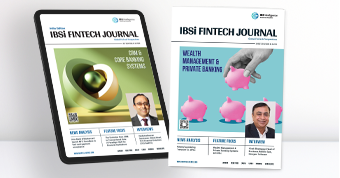
- Most trusted FinTech journal since 1991
- Digital monthly issue
- 60+ pages of research, analysis, interviews, opinions, and rankings
Other Related News
Related Reports
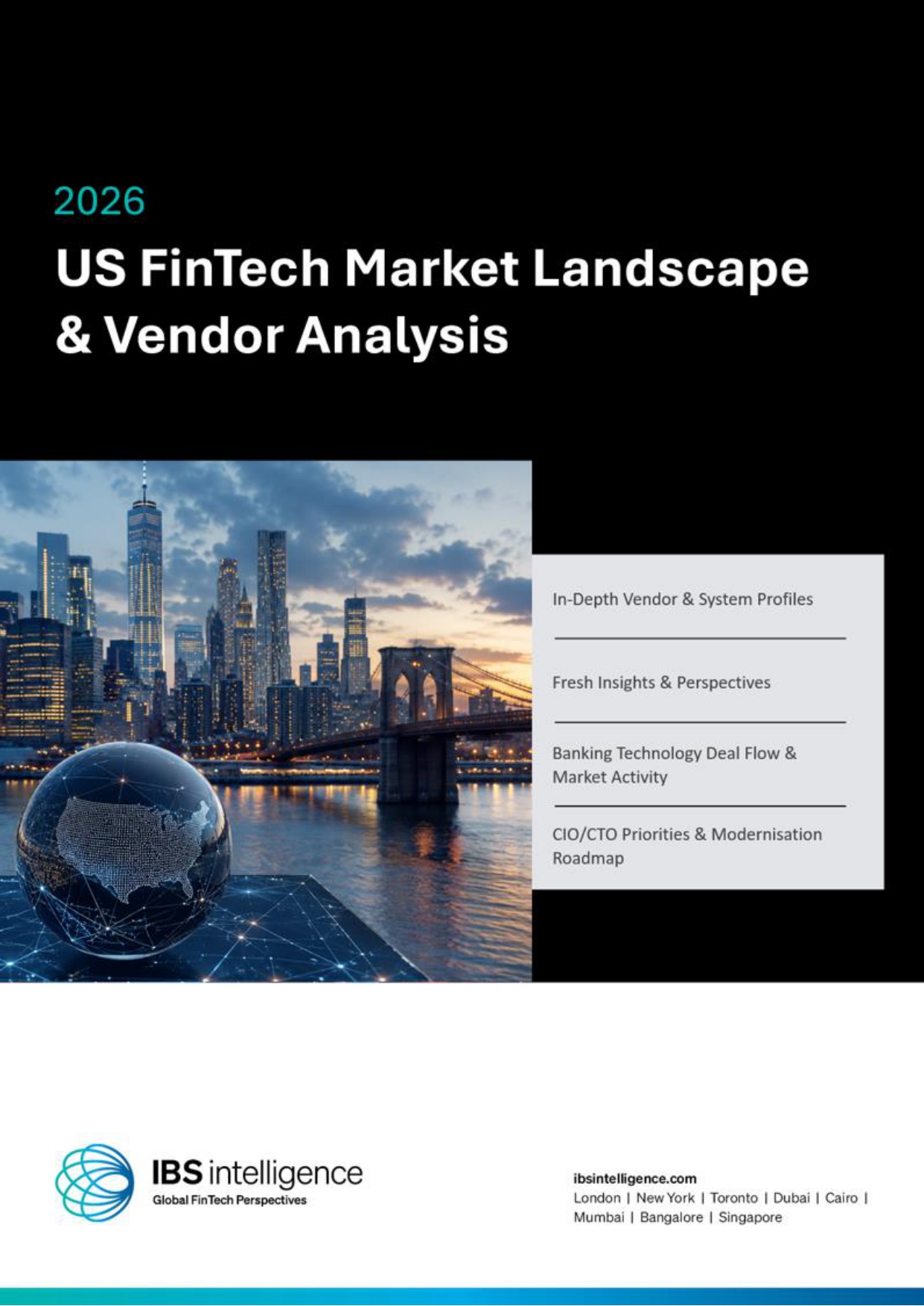
US FinTech Market Landscape & Vendor Analysis 2026
Know More
Global Digital Banking Market Landscape & Vendor Analysis Q2 2026
Know More
Wealth Management & Private Banking Systems Report Q4 2025
Know More
US FinTech Market Landscape & Vendor Analysis 2026
Know More