 Cedar-IBSi FinTech Labs
 Analyst Briefings
 Get in touch
 Back
Back
AI commerce advances, but checkout confidence lags, Visa study shows
By Puja Sharma
 Approx 91% of consumers in Egypt have used AI to assist with shopping, while 97% feel AI-powered tools make online shopping faster and easier
- Around 88% believe AI will play a critical role in protecting consumers from fraud in the future, but only 38% today trust AI agents to complete checkout.
- About 85% have purchased directly through social commerce, while 46% of consumers who experienced scams report it happened on social media.
- Over 91% are concerned that children struggle to recognise scams, and 61% have seen a child fall victim while gaming or shopping online.
- Only 13% believe consumers should be primarily responsible for protection against fraud when shopping online. Separately, 64% say alerts when something looks suspicious would help them feel more secure paying online.
Visa, a digital payments company, released the annual Stay Secure study in Egypt, which assesses consumer awareness and behaviours around digital commerce and fraud. This year’s edition, conducted by Wakefield Research, highlights how AI‑enabled shopping and social commerce are changing consumer behaviour even as expectations around trust and protection remain firmly in place.
Consumers Embrace AI-Assisted Shopping
The study revealed that consumers are embracing artificial intelligence as part of their shopping journeys. 91% in Egypt have used AI tools to assist with shopping, including comparing prices (cited by 75%), finding gift ideas (cited by 65%), and checking reviews or product ratings (cited by 65%).
The appeal is clear: 97% feel new technologies, including AI-powered tools, are making online shopping faster and easier than before. AI is also influencing discovery, with 71% typically discovering new brands or retailers while shopping online.
However, consumers remain more cautious when it comes to AI handling transactions on their behalf. Today, only 38% would trust AI agents to complete checkout, reinforcing the importance of earning consumer trust in the age of agentic commerce. As AI adoption grows, consumers increasingly view the technology as part of the solution to fraud. 63% feel AI has made scams easier to recognise today, and 88% believe AI will play a critical role in protecting consumers from fraud in the future.
Social Commerce is Growing but so are Scam Risks
Shopping through social platforms has become mainstream, with 85% of consumers in Egypt having purchased products directly through social media platforms. As commerce expands across new channels, fraud risks continue to follow consumers online. 36% have experienced a financial scam in the past 12 months. Among those who have experienced a scam, 46% report the incident occurred on social media, more than those who encounter scams on other platforms such as websites, online marketplaces, or shopping apps.
Children are Increasingly Exposed to Scams While Shopping and Gaming Online
The study also highlights growing concern around how children encounter scams online, with 91% of consumers reporting that children in their lives struggle to recognise scams. A significant 61% have seen a child fall victim to a scam while gaming or shopping online.
That concern comes as children gain greater access to digital commerce. 35% of Egypt parents have children who can access mobile payment apps or digital wallets.
Consumers Expect Institutions to Lead on Fraud Protection
When it comes to protecting against fraud while shopping online, consumers look first to institutions rather than themselves. 47% believe government authorities or regulators should be primarily responsible, followed by banks or financial institutions (43%) and payment providers (28%). Only 13% believe consumers themselves should hold primary responsibility.
They also want more proactive reassurance. 64% would feel secure receiving real-time alerts from their bank or payment app when something looks suspicious, while 44% would feel more comfortable seeing a familiar, trusted logo at checkout.
Leila Serhan, Senior Vice President & Group Country Manager in North Africa, Levant & Pakistan at Visa, commented: “Visa’s Stay Secure study shows that while online shopping and social commerce continue to grow, scams and fraud are evolving too. Consumers see fraud protection as a shared responsibility, but they expect financial institutions, governments, and payment providers to take the lead, underscoring the importance of secure-by-design payment systems,”
She continued, “As commerce moves toward more agentic, AI-powered experiences, the study shows that consumers are embracing the convenience AI can bring to shopping but remain cautious when it comes to AI completing purchases on their behalf. With Visa Intelligent Commerce, we are helping enable the next era of commerce built on trust, control and confidence.”



IBSi FinTech Journal
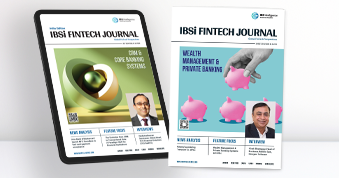
- Most trusted FinTech journal since 1991
- Digital monthly issue
- 60+ pages of research, analysis, interviews, opinions, and rankings
Other Related News
Related Reports
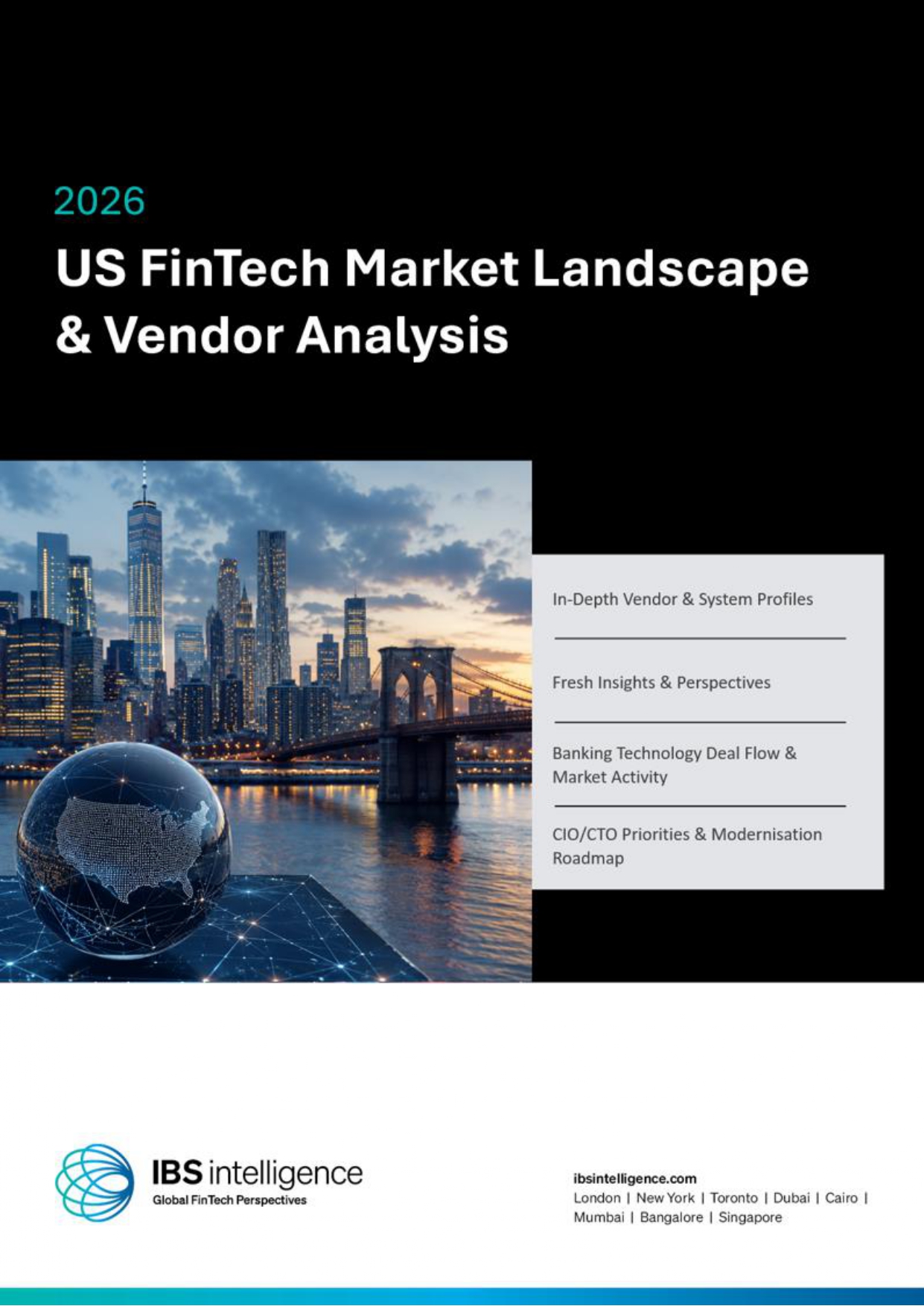
US FinTech Market Landscape & Vendor Analysis 2026
Know More
Global Digital Banking Market Landscape & Vendor Analysis Q2 2026
Know More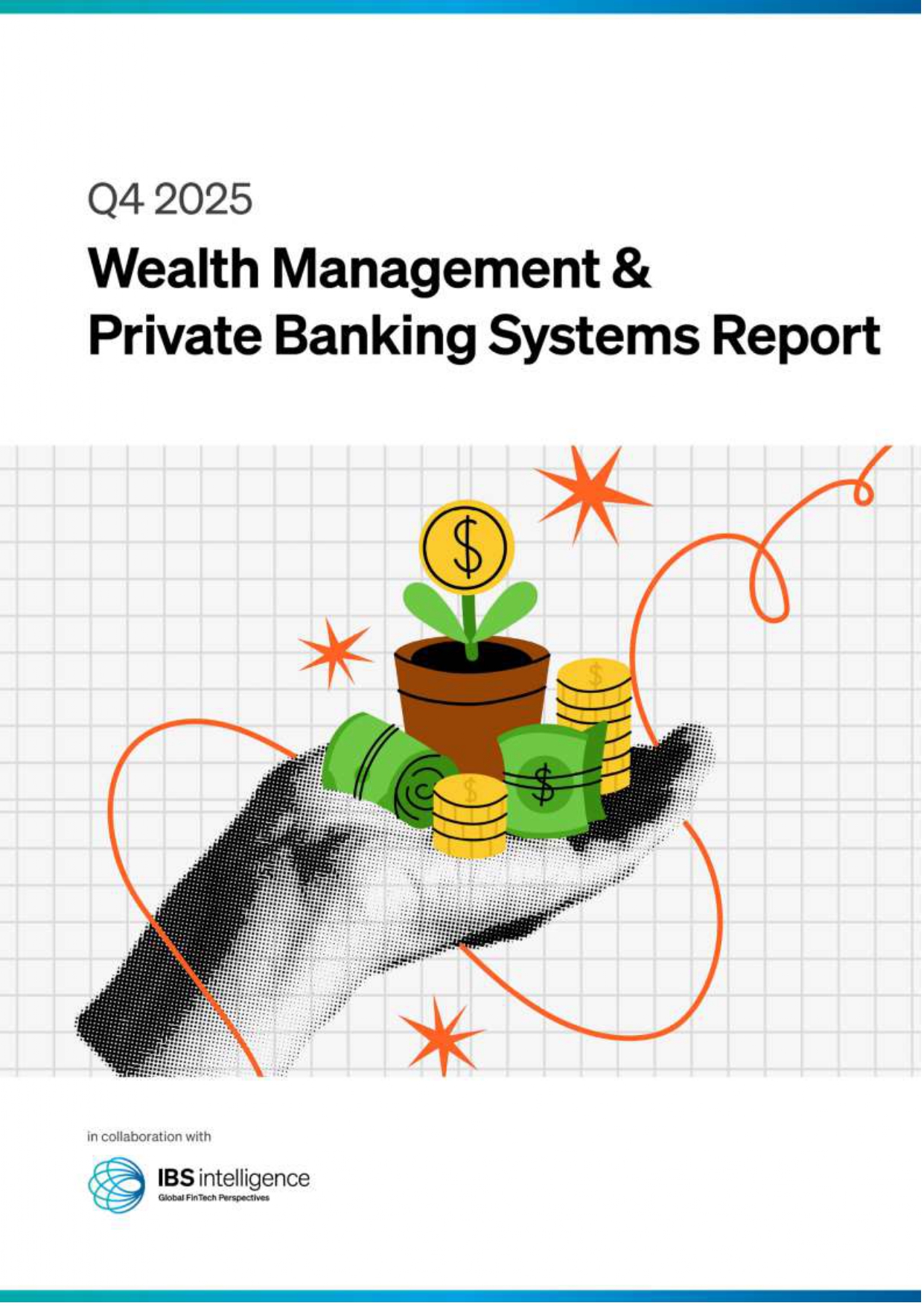
Wealth Management & Private Banking Systems Report Q4 2025
Know More
US FinTech Market Landscape & Vendor Analysis 2026
Know More