 Cedar-IBSi FinTech Labs
 Analyst Briefings
 Get in touch
 Back
Back
Bank scam attempts climbed 35% over past year, research reveals
By Divya Shah

Attempted banking scams increased by 35% over the past 12 months, according to BioCatch’s 2026 Global Scams Research, drawing on data from more than 370 financial institutions serving over 760 million users across 21 countries.
The research found that while scam activity continued to rise globally, the pace of growth slowed considerably from the 65% increase recorded in the previous edition. BioCatch attributed the moderation in growth to the increasing adoption of behavioural intelligence tools that help financial institutions identify signs of fraud, manipulation and coercion before customers authorise transactions.
Thomas Peacock, Director of Global Fraud Intelligence at BioCatch, said, “Social engineering scams have not suddenly become less prevalent or sophisticated. If anything, artificial intelligence has lowered the barrier to entry for aspiring scammers, allowing more bad actors to create more convincing scams at a scale we’ve never seen before. In response, many banks have realised behavioural intelligence enables them to recognise signs of manipulation and coercion before an accountholder ever authorises a transaction.”
The research highlighted the growing challenge posed by authorised push payment scams, particularly investment and romance scams, where victims are persuaded to transfer money themselves rather than having their accounts compromised.
Jonathan Frost, Director of Global Advisory at BioCatch, said, “Scammers don’t need to break into an account if they can persuade the customer to move the money for them. That is the challenge banks face today with investment and romance scams, where customers are manipulated into making payments they believe are legitimate.”
According to the report, investment scams remained the most costly category, with average attempted losses reaching $6,600 per case, five times higher than the average across all scam types. Employment scams experienced the fastest growth in 2026, with reported victim numbers increasing by 258%, while romance scam attempts rose by 23%.
Purchase scams continued to be the most common scam type, accounting for 33% of all attempted scams reported by BioCatch customers during the year.
The report also found that scammers increasingly relied on mobile channels, with nine out of ten scam sessions now originating from mobile devices, compared with 75% of traditional unauthorised fraud cases.
In addition to analysing scam trends, the report examined the criminal networks supporting fraud operations. A case study demonstrated how behavioural and device-based indicators, including active phone calls during banking sessions, remote-access software and unusual beneficiary additions, helped banks identify and stop scams before funds were lost.
Erin West, founder and executive director of Operation Shamrock, highlighted the varying scale of fraud operations in her contribution to the report, said, “Sometimes there is a seven-story operation with hundreds of workers. Sometimes there is a 24-year-old sitting in a living room with a phone. Both can cause extraordinary harm. And both ultimately need somewhere for the money to land.”



IBSi FinTech Journal
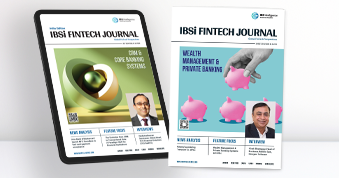
- Most trusted FinTech journal since 1991
- Digital monthly issue
- 60+ pages of research, analysis, interviews, opinions, and rankings
Other Related News
Related Reports
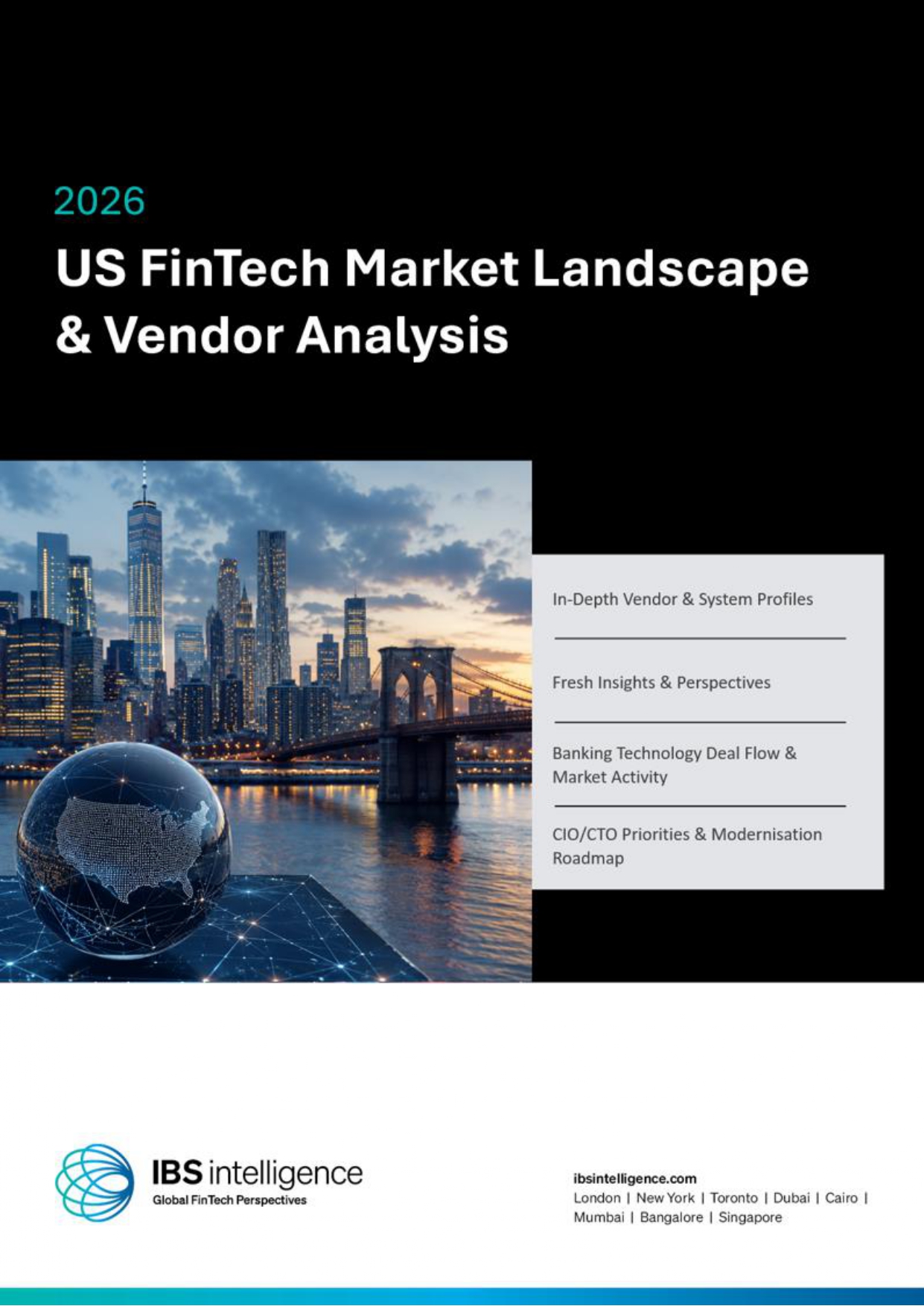
US FinTech Market Landscape & Vendor Analysis 2026
Know More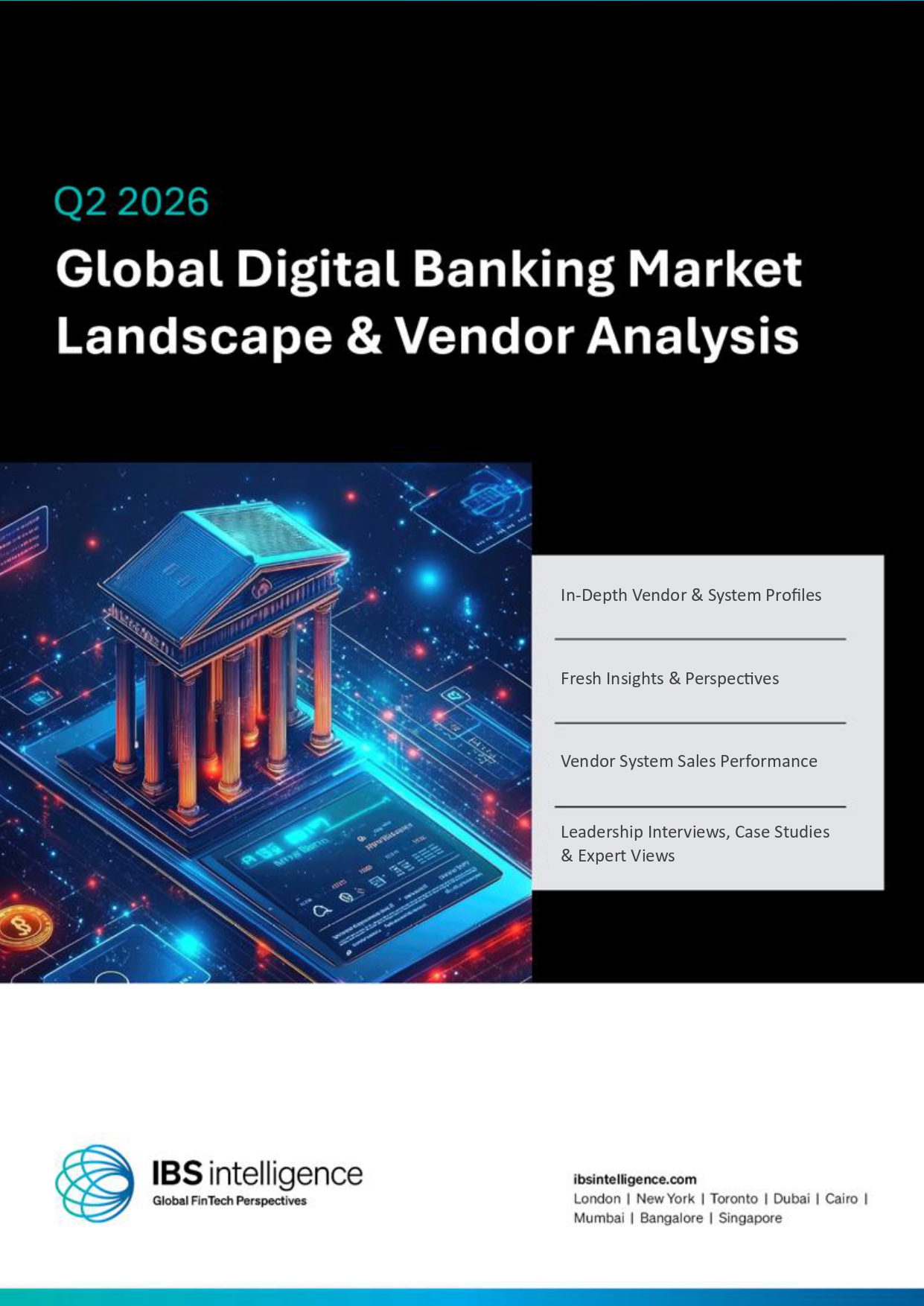
Global Digital Banking Market Landscape & Vendor Analysis Q2 2026
Know More
Wealth Management & Private Banking Systems Report Q4 2025
Know More
US FinTech Market Landscape & Vendor Analysis 2026
Know More