 Cedar-IBSi FinTech Labs
 Analyst Briefings
 Get in touch
 Back
Back
A Unified Front: Key Lessons for the Future of APP Fraud Prevention

By Justin Jacobs, Chief Policy and Engagement Officer at Pay.UK
The UK’s payment landscape continues to shift rapidly. While initiatives like the Authorised Push Payment (APP) reimbursement policy have proven effective in protecting victims, the threat of fraud remains high. The Payment Systems Regulator’s (PSR) recent evaluation confirms the policy is working, with APP fraud losses falling by 21%, a reduction of £73 million, in its first year. The findings provide encouraging evidence that the extensive efforts being made across the payments industry are contributing to better outcomes for consumers and helping to strengthen trust in the payment ecosystem.
However, while the scheme is crucial in protecting people, more needs to be done to ensure consistency in how consumers are treated. Organisations must also continue to upgrade their infrastructure, and stronger measures must be put in place to stop criminals from exploiting new loopholes. As the APP reimbursement policy enters its second year of operations, we should reflect on the fraud landscape, the effectiveness of the policy and its impact, and the key lessons needed to stay ahead of scammers.
Navigating the fraud landscape
The scale of UK fraud is significant, with recent figures revealing that criminals stole £1.28 billion through payment fraud in 2025, a 4% increase compared to 2024. Criminals are increasingly using advanced tools and techniques to target victims, elevating fraud to both a national and international security threat.
The introduction of the APP reimbursement policy in 2024 aimed to ensure that UK consumers, microenterprises, and charities are reimbursed for losses from APP fraud, with most claims resolved within five business days. The policy has delivered tangible results, contributing to a fall of 35,000 APP fraud cases since its introduction, with the firms that had the highest APP fraud levels prior to the policy seeing a significant improvement. Additionally, reimbursement rates for all claims have risen from 54% to 65%, with firms reimbursing 97% of claims that fall within the scope of the policy, demonstrating the efficacy of the measure.
The findings also reflect the considerable investment made by payment service providers and industry partners in strengthening fraud controls, improving customer protections and supporting victims of scams. This demonstrates that when regulatory incentives are combined with industry action, meaningful progress can be achieved. However, the evaluation also highlights that outcomes remain uneven across the market. While the reimbursement policy has protected victims and driven banks to strengthen defences, continued investment, collaboration, and innovation will be essential if we are to address the underlying drivers of APP fraud and stay ahead of increasingly sophisticated criminals.
An APP scam occurs when a victim is manipulated into sending money from their bank account directly to one belonging to a scammer. In 2025, overall APP fraud losses rose 19% to £576.4 million, with 248,070 cases recorded (up 7%). These scams range from purchases, investment fraud, romance and impersonation scams, with purchase scams alone accounting for 71% of all APP cases, demonstrating the scale and diversity of modern fraud tactics.
Most APP fraud now originates outside the banking system. Two-thirds (66%) of cases begin online (accounting for 32% of losses) and 17% begin via telecommunications networks, highlighting the significant role digital platforms and telecoms are playing in enabling fraud.
The evolving nature of APP fraud is a clear reflection that fraudsters are consistently adapting, pivoting to new avenues to exploit vulnerabilities even as our technical defences strengthen. Against this backdrop, the fight against fraud cannot be fought by one organisation alone: it requires a united, cross-sector response across data, technology, regulation, and collaboration.
Establishing a united front against fraud
Combating the ever-evolving nature of fraud requires a multi-faceted approach, ranging from robust technology and seamless collaboration to enable compliant data-sharing to effective regulation and public awareness.
One of these approaches is the combination of regulation and technology. Initiatives like the Government Fraud Strategy provide a unified framework for the public and private sectors to adapt to national threats, keeping fraud prevention a top priority. Complementing this is the role of collaborative industry data-sharing. Pay.The UK’s upcoming Enhanced Data Exchange (EDEx) initiative will facilitate secure, timely data sharing between participants of the Faster Payment System, helping financial institutions identify and prevent fraudulent payments before they happen rather than simply responding once losses have occurred.
This initiative directly aligns with both FCA guidance and the Home Office’s Data Strategy to stop fraud at the source.
Beyond EDEx, there must be wider industry collaboration on data sharing and advanced analytics. Sharing secure, real-time data helps spot patterns, identify new threats, and stop fraud before it happens. A prime example is Confirmation of Payee, which has successfully reduced misdirected payments and APP fraud like impersonation and invoice scams across the industry. Its success has inspired the creation and development of Europe’s Verification of Payee system. As fraud continues to evolve, the inclusion of technology platforms and telecommunications providers within this data-sharing initiative, alongside other industry partners, is vital in strengthening fraud prevention and ensuring they play a full role in preventing and disrupting fraud.
Lastly, there is the crucial role of education and public awareness. Beyond technology and industry collaboration, fraud prevention has a vital human dimension, and empowering end users and consumers remains central. Recognising the warning signs of a scam is still one of the strongest protections available. To support this, banks are moving beyond generic warnings, providing genuinely useful guidance and strengthening the point-of-payment as a powerful, collective line of defence. It’s encouraging to see that, as a payments community, we are already building richer data-sharing across the ecosystem to provide clearer, more relevant context when prompting customers to pause before making a payment.
The future of fraud
The fight against APP fraud won’t be won by reimbursement alone – long-term success depends on preventing fraud from happening in the first place. The PSR’s APP reimbursement policy evaluation shows the progress that can be achieved when industry, regulators and government work together. But fraudsters continue to evolve, and so must we. By building a shared data ecosystem, scaling real-time defensive technologies, strengthening collaboration across sectors and educating the public, we can create a payments environment that is not only safer today but also more resilient for the future.
IBSi News

Get the IBSi FinTech Journal India Edition
- Insightful Financial Technology News Analysis
- Leadership Interviews from the Indian FinTech Ecosystem
- Expert Perspectives from the Executive Team
- Snapshots of Industry Deals, Events & Insights
- An India FinTech Case Study
- Monthly issues of the iconic global IBSi FinTech Journal
- Attend a webinar hosted by the magazine once during your subscription period
₹200 ₹99*/month
* Discounted Offer for a Limited Period on a 12-month Subscription
IBSi FinTech Journal
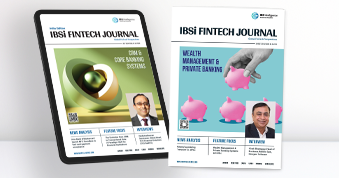
- Most trusted FinTech journal since 1991
- Digital monthly issue
- 60+ pages of research, analysis, interviews, opinions, and rankings
Other Related Blogs
October 14, 2026
Agentic AI could transform UK banks – but only if they stop playing it safe
Read MoreOctober 06, 2026
Ecosystems, Not Tools: Why Partner Strategy Now Defines Global FinTech Winners
Read MoreRelated Reports
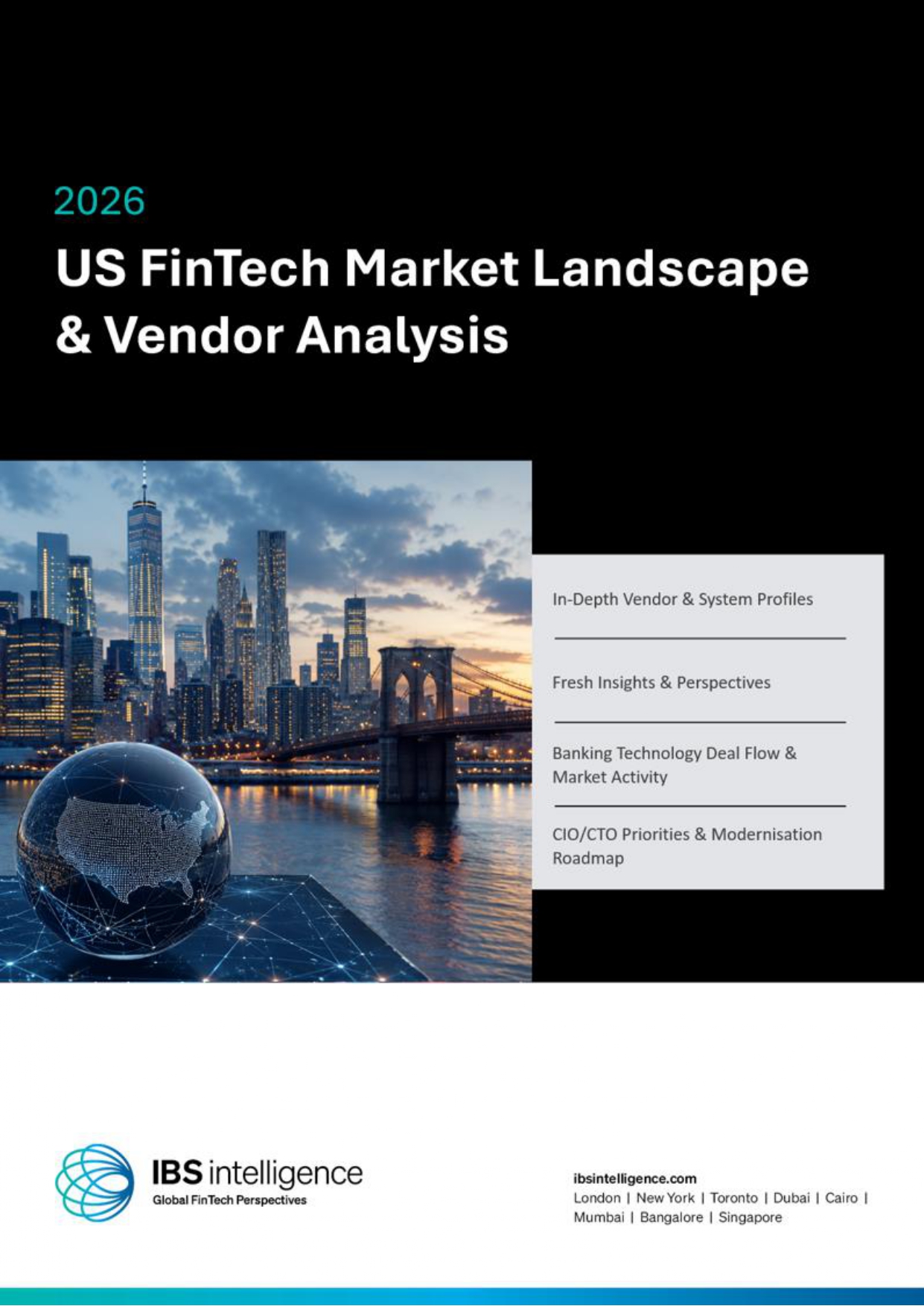
US FinTech Market Landscape & Vendor Analysis 2026
Know More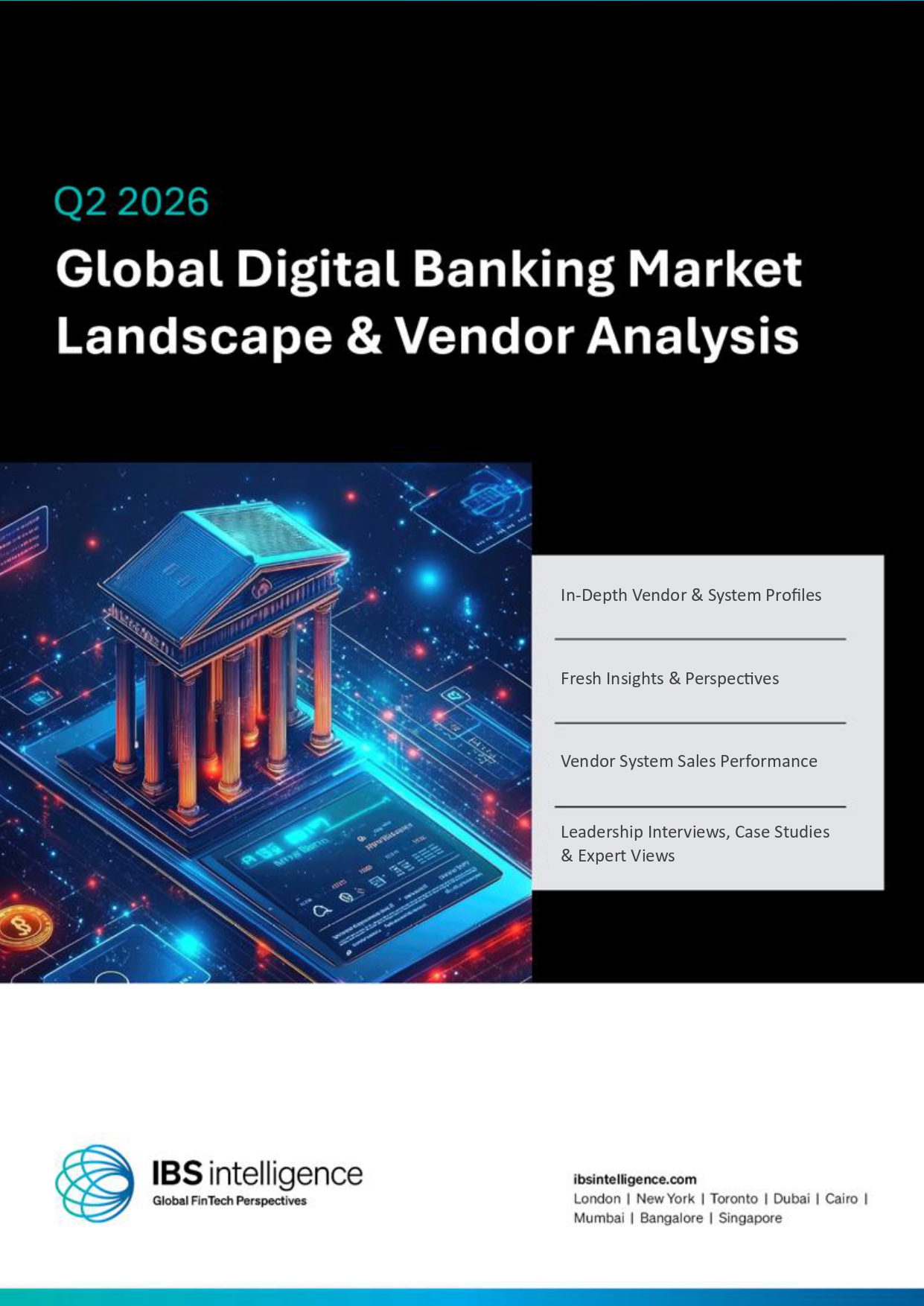
Global Digital Banking Market Landscape & Vendor Analysis Q2 2026
Know More
Wealth Management & Private Banking Systems Report Q4 2025
Know More
US FinTech Market Landscape & Vendor Analysis 2026
Know More