 Cedar-IBSi FinTech Labs
 Analyst Briefings
 Get in touch
 Back
Back
Cooling inflation may support UK FinTech credit expansion
By Aarav Garg

UK inflation fell to 2.8% in the year to April, according to the Office for National Statistics, with lower energy bills doing much of the work in the slowdown. The latest figure marked a material easing from March and gave markets a clearer sense of where household costs may be heading in the near term.
For FinTech, the significance lies in what it may mean for borrowing costs, consumer confidence and payments activity. A softer inflation backdrop can improve the outlook for retail lending, mortgages and SME credit, particularly if it feeds into expectations of lower or steadier interest rates. That matters for digital lenders, banking apps and embedded finance platforms that price products off funding costs and risk sentiment.
The data also comes at a time when consumer finances remain uneven. Even with inflation easing, households are still facing pressure from fuel and food prices, which can affect repayment behaviour, savings flows and demand for short-term credit. For fintech firms, that keeps the focus on affordability checks, real-time cash flow tools and better customer segmentation rather than simple rate competition.
Payments firms may also feel the effect. When inflation moderates, transaction volumes can become more stable, but spending patterns often remain cautious. That tends to support account-to-account payments, budgeting tools and products that help consumers manage bills more tightly. A cooler inflation print also shapes product demand across retail banking and consumer fintech.
The broader message for FinTech in the UK is that macro stability still matters. Even modest changes in inflation can influence loan demand, savings behaviour and pricing strategy across the sector, making the latest reading relevant well beyond the Bank of England.
“The surprise fall in inflation to 2.8% is good news for the economy and for consumers but is unlikely to be the start of a sustained fall and underlines just how unpredictable the current environment is. Inflation remains stubbornly high, with upward pressure from fuel and transport costs linked to the ongoing instability in the Middle East,” commented Richard Pike, sales and marketing director at Phoebus Software. “At the same time, the labour market remains weak, and yesterday’s unemployment and wage data will make the Bank of England think very carefully about how far it can go in tightening policy without risking a deeper slowdown.”


IBSi FinTech Journal
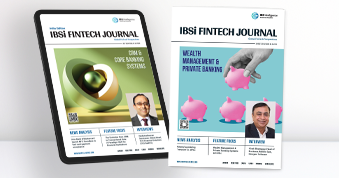
- Most trusted FinTech journal since 1991
- Digital monthly issue
- 60+ pages of research, analysis, interviews, opinions, and rankings
Other Related News
Related Reports
US FinTech Market Landscape & Vendor Analysis 2026
Know More
Global Digital Banking Market Landscape & Vendor Analysis Q2 2026
Know More
Wealth Management & Private Banking Systems Report Q4 2025
Know More
US FinTech Market Landscape & Vendor Analysis 2026
Know More