 Cedar-IBSi FinTech Labs
 Analyst Briefings
 Get in touch
 Back
Back
Global banks back DIFC amid regional uncertainty
By Parth Prabhudesai
Dubai International Financial Centre (DIFC) has reaffirmed the resilience and long-term strength of Dubai’s financial ecosystem as global banks, wealth managers, insurers, and FinTech firms continue to deepen their regional presence despite ongoing geopolitical uncertainty in the Middle East.
The development highlights how Dubai is increasingly positioning itself as a strategic financial gateway connecting markets across the Middle East, Africa, and South Asia (MEASA). DIFC currently serves as a hub for 290 banking and capital markets firms, including 17 of the world’s 19 global systemically important banks, reinforcing its importance within international capital markets.
His Excellency Essa Kazim said the region’s recent challenges had reinforced the collective confidence of global institutions in Dubai’s long-term growth outlook. “What defines us is a shared belief in the long-term opportunities that Dubai and the UAE offer to access the 77 markets across the Middle East, Africa and South Asia,” he noted.
The comments come shortly after Dubai climbed to seventh place globally in the Global Financial Centres Index (GFCI) in March 2026, marking its highest-ever ranking and reflecting growing international confidence in the emirate’s financial infrastructure, regulatory environment, and connectivity.
According to Arif Amiri, firms operating within DIFC view Dubai not only as a stable operating environment but also as a platform for regional expansion. “The current environment has not prompted retreat but rather reinforced the strategic importance of Dubai as a gateway to growth across the region,” he said.
Global financial institutions including Citi, Julius Baer and Standard Chartered emphasized DIFC’s role in facilitating cross-border capital flows, liquidity management, and wealth preservation.
Ebru Pakcan stated that DIFC enables Citi to remain “at the center of regional and global capital flows,” particularly as geopolitical shifts reshape international markets.
The region’s wealth management sector is also emerging as a major growth driver. DIFC now hosts more than 500 wealth and asset management firms, supported by rising inflows of high-net-worth individuals into the UAE. According to Henley & Partners, the UAE attracted more millionaires in 2026 than any other country globally, strengthening Dubai’s position as a private wealth hub.
Meanwhile, the insurance sector within DIFC has expanded significantly, with gross written premiums doubling to over US$4.2 billion over the past four years. The center has also continued to strengthen its position in FinTech and digital assets through progressive regulatory frameworks.
Companies such as Ripple and Stake have expanded operations within DIFC, reflecting growing investor confidence in Dubai’s FinTech and digital economy ecosystem.
As global financial markets navigate heightened uncertainty, DIFC’s combination of regulatory stability, international connectivity, and innovation-focused infrastructure continues to strengthen Dubai’s standing as one of the world’s leading financial centers.

IBSi FinTech Journal
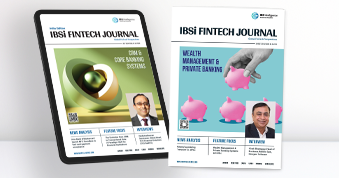
- Most trusted FinTech journal since 1991
- Digital monthly issue
- 60+ pages of research, analysis, interviews, opinions, and rankings
Other Related News
Related Reports
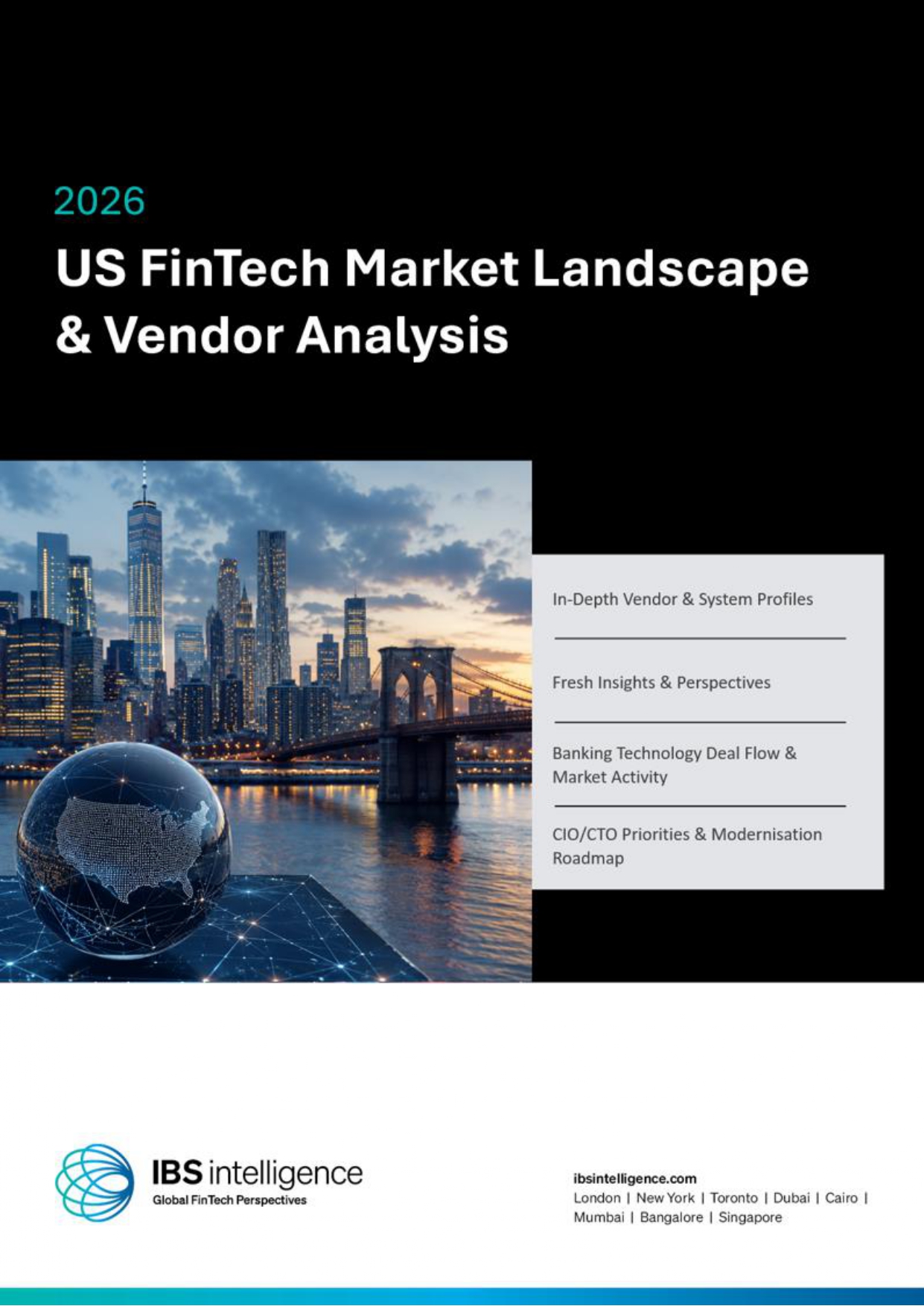
US FinTech Market Landscape & Vendor Analysis 2026
Know More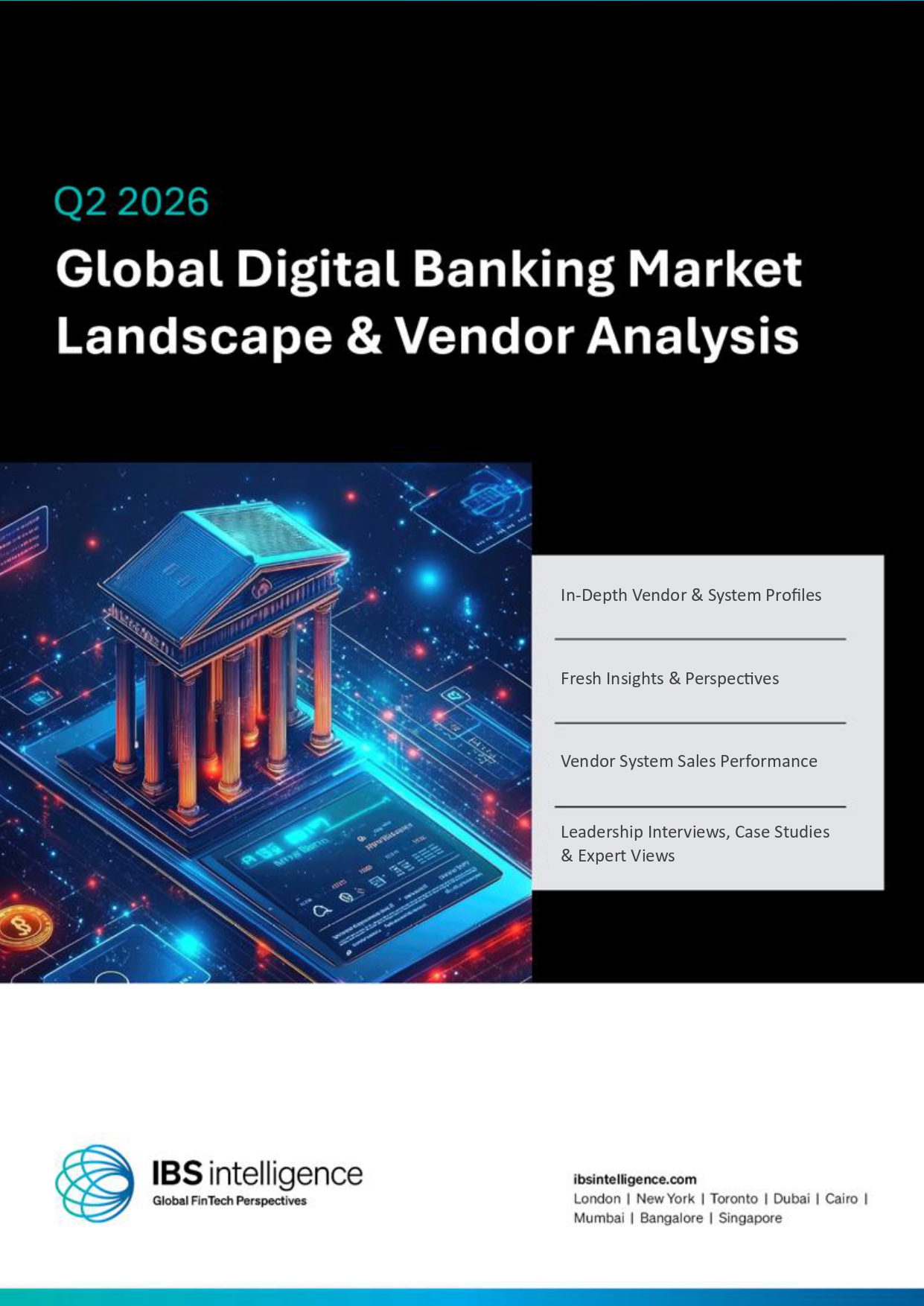
Global Digital Banking Market Landscape & Vendor Analysis Q2 2026
Know More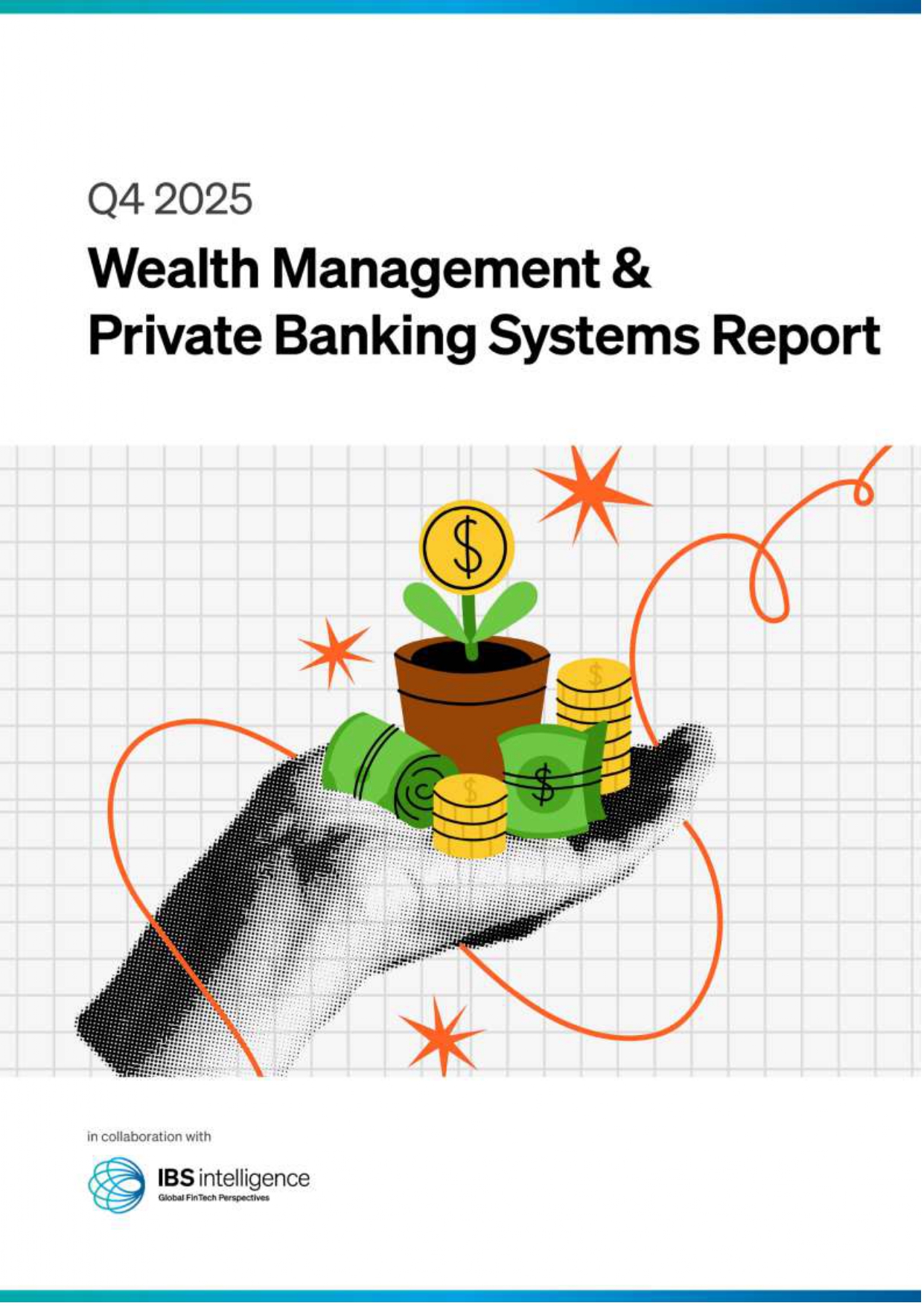
Wealth Management & Private Banking Systems Report Q4 2025
Know More
US FinTech Market Landscape & Vendor Analysis 2026
Know More