 Cedar-IBSi FinTech Labs
 Analyst Briefings
 Get in touch
 Back
Back
Philippines tightens digital credit rules as FinTech borrowing expands
By Aarav Garg

The Philippine Securities and Exchange Commission (SEC) has outlined a more interventionist regulatory approach for the Philippines’ digital credit market, signalling closer oversight of online lending platforms as FinTech-driven borrowing continues to expand.
Speaking at the 44th National Credit Congress of the Credit Management Association of the Philippines (CMAP), SEC Commissioner Javey Paul D. Francisco said, “Digital lending has the potential to expand access and drive growth, but without strong governance, it can undermine the very trust that sustains the credit system.”
He added that digital transformation had widened access to credit but also created new structural risks that require updated supervision. The event focused on digital transformation, financial inclusion and risk resilience in the credit sector.
Francisco said the regulator’s real-time complaints data showed rising consumer concerns linked to unregistered online lending platforms, aggressive debt collection practices, high interest rates and weak disclosure standards. According to the SEC, these issues highlight deeper market challenges beyond access to funding, extending to how credit is priced, marketed and collected.
In response, the SEC is proposing new guidelines for online lending platforms aimed at shifting supervision from reactive enforcement to a more preventive framework. The proposed rules are designed to introduce clearer market entry standards, stronger platform oversight, conduct requirements, and more defined rules around data governance and consumer protection.
The move reflects a broader regulatory trend across Southeast Asia, where authorities are trying to balance fintech innovation with borrower safeguards. Digital lenders have grown rapidly in many markets by using mobile distribution, alternative data and automated underwriting, but regulators have increasingly scrutinised pricing transparency, collections conduct and data privacy.
Francisco said the reforms are intended not only to curb harmful practices but also to create a more predictable operating environment for compliant lenders seeking to scale responsibly. He added that core principles such as fair pricing, transparent disclosure and respectful treatment of borrowers remain unchanged regardless of delivery channel or technology model.
The commissioner also warned that accountability cannot be outsourced in arrangements involving third-party service providers, a notable point for FinTech ecosystems that rely on external vendors for onboarding, servicing, analytics or collections.
Looking ahead, the SEC indicated that governance around artificial intelligence and data-driven underwriting will become increasingly important. While such tools can broaden financial inclusion and improve risk assessment, Francisco said they must be matched with safeguards that ensure fairness, transparency and borrower rights.



IBSi FinTech Journal
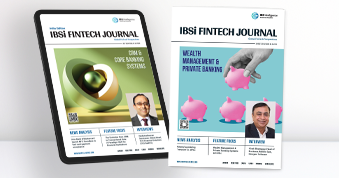
- Most trusted FinTech journal since 1991
- Digital monthly issue
- 60+ pages of research, analysis, interviews, opinions, and rankings
Other Related News
Related Reports
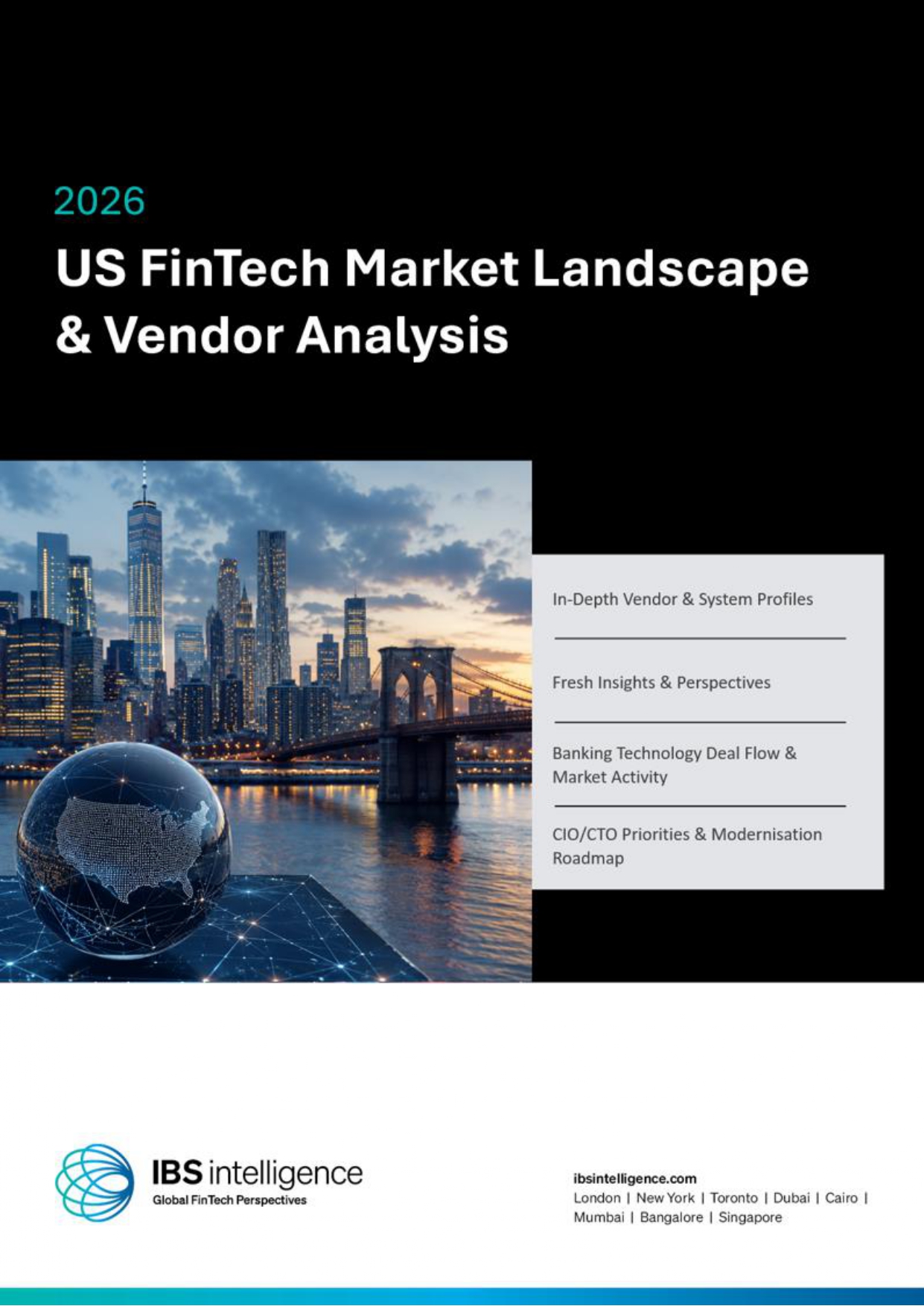
US FinTech Market Landscape & Vendor Analysis 2026
Know More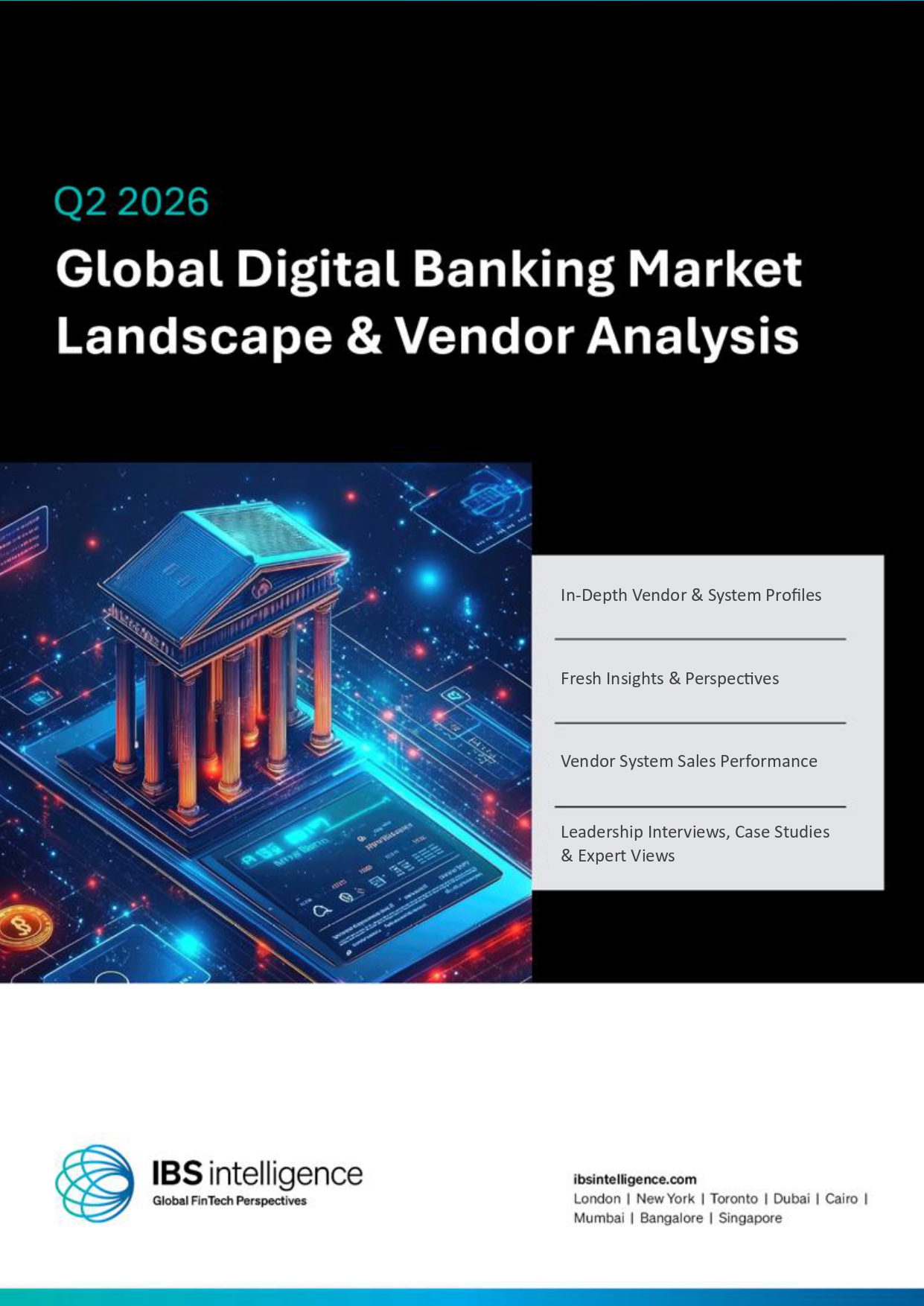
Global Digital Banking Market Landscape & Vendor Analysis Q2 2026
Know More
Wealth Management & Private Banking Systems Report Q4 2025
Know More
US FinTech Market Landscape & Vendor Analysis 2026
Know More