 Cedar-IBSi FinTech Labs
 Analyst Briefings
 Get in touch
 Back
Back
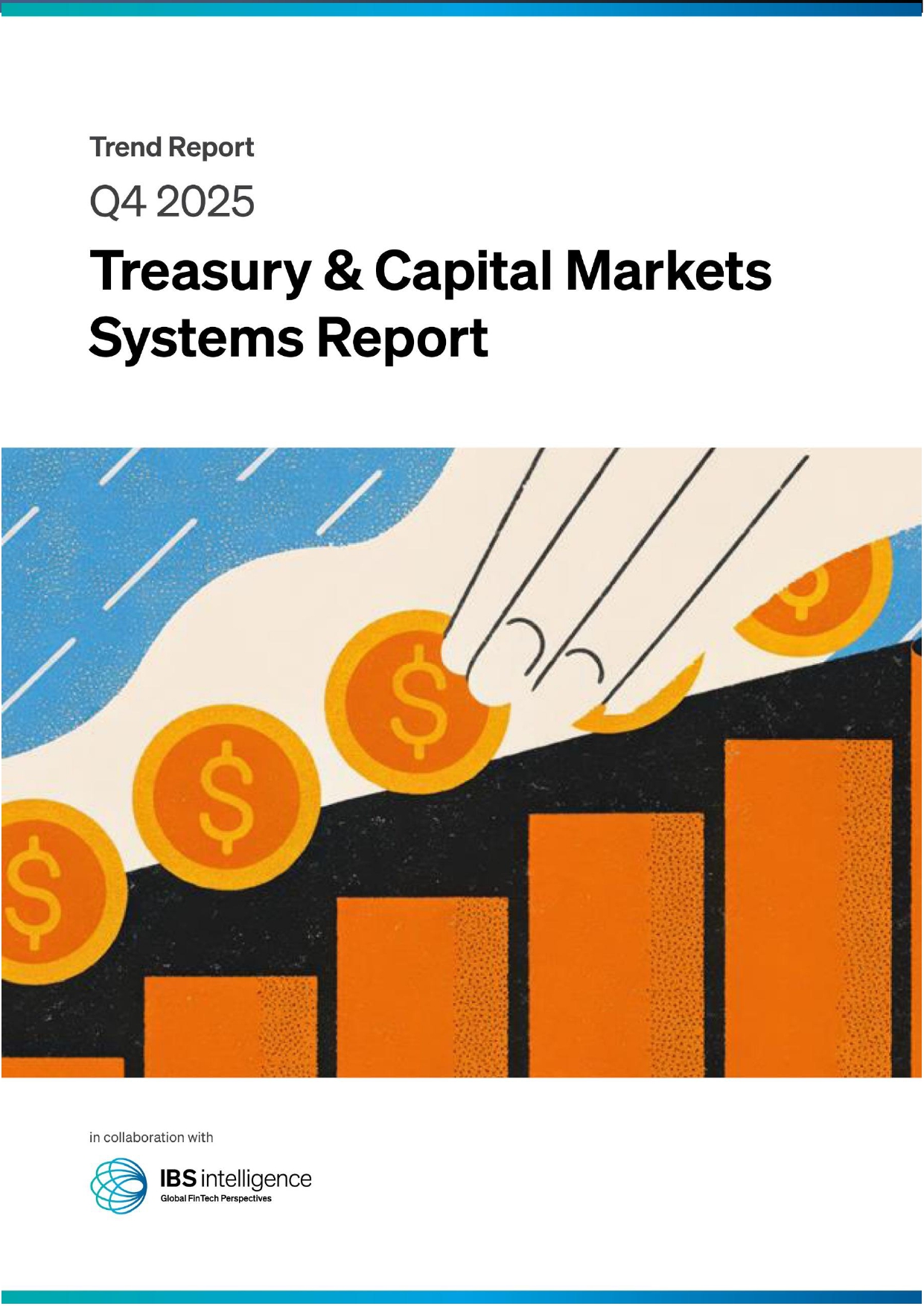
Treasury strategies evolve with AI, stablecoin interest
By Aarav Garg

A growing number of treasury professionals are expressing heightened concern about the global environment, with 88% of survey respondents reporting moderate to high concern over geopolitical conditions in 2026.
Nearly half (48%) said they are highly concerned, marking an 11 percentage point increase from 2025. This level of concern was significantly higher than for any other risk category, with respondents indicating increased sensitivity across most areas surveyed.
Against this backdrop, many organisations are adjusting their liquidity strategies. More than a quarter (27%) plan to increase their money market fund (MMF) holdings during 2026, compared to 9% who expect to reduce them, while 62% anticipate maintaining current levels. Expectations for overall cash balances are more balanced, with 29% forecasting an increase, 23% a decrease, and 48% expecting no change over the next six months.
Technology adoption continues to evolve, particularly in the use of artificial intelligence. While 68% of respondents in 2025 identified cash forecasting as a priority area for AI integration, 22% of respondents in 2026 reported having already adopted AI tools in treasury operations. Among these, cash forecasting remains the leading use case.
Interest in digital assets is also emerging. Around 25% of respondents expressed moderate to high interest in tokenised MMFs, while 19% indicated similar interest in using stablecoins for liquidity management.
At the same time, investment in treasury technology remains steady. Around 34% of organisations are currently undertaking a treasury technology project, with a further 11% planning to begin one this year. Meanwhile, 19% expect to implement or migrate to a new treasury management system in 2026.
Commenting on this, Laurent Descout, CEO and co-founder of Neo, said, “It’s no surprise that ongoing conflict in the Middle East and wider geopolitical tensions are putting finance leaders under significant pressure. That is pushing cost control and cash flow firmly up the agenda. Those same tensions are also driving currency volatility, adding another layer of complexity for teams managing cash across markets. In many cases, it is not just about managing risk but ensuring reliable access to currencies when and where they are needed.”


IBSi FinTech Journal
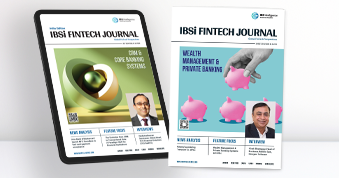
- Most trusted FinTech journal since 1991
- Digital monthly issue
- 60+ pages of research, analysis, interviews, opinions, and rankings
Other Related News
Related Reports
US FinTech Market Landscape & Vendor Analysis 2026
Know More
Global Digital Banking Market Landscape & Vendor Analysis Q2 2026
Know More
Wealth Management & Private Banking Systems Report Q4 2025
Know More
US FinTech Market Landscape & Vendor Analysis 2026
Know More