
 Cedar-IBSi FinTech Labs
 Analyst Briefings
 Get in touch
 Back
Back
Barbados adopts O-CITY by BPC for QR-based transport payments
By Vriti Gothi

Barbados is accelerating efforts to modernise public transport payments, with TransPay, operated by Leading Edge Technology Solutions Inc., rolling out the O-CITY automated fare collection platform developed by BPC in Bridgetown.
Delivered in partnership with the Barbados Transport Board, the initiative introduces account-based ticketing, QR-based payments, and mobile app functionality across the island’s bus network. The deployment is part of a broader transport modernisation agenda aimed at improving accessibility and reducing reliance on cash in a system historically characterised by fixed fares and fragmented operations across government buses, privately operated “B’s”, and route taxis.
The legacy model, which required exact cash fares and varied by operator type, has long created friction for both commuters and tourists, slowing boarding times and limiting payment flexibility. By contrast, the new system enables users to register through a mobile app, link payment methods, top up balances, and pay via QR codes, transport cards, or near-field communication (NFC), consolidating multiple services into a single interoperable platform.
At a structural level, the rollout reflects a shift toward account-based ticketing systems, where fare processing is centralised and decoupled from physical media. This approach allows transport authorities to introduce dynamic fare rules, segment users, and scale services more efficiently, while also improving transparency and revenue tracking.
From an operational perspective, O-CITY provides transport authorities with centralised control through a web-based interface, enabling real-time monitoring of activity, revenue analysis, and rapid deployment of fare updates with minimal driver intervention. The system also supports mobile ticket inspection and reduces fraud risk through digital validation and transaction visibility.
The programme is also positioned as a foundation for broader financial inclusion, integrating dispersed transport services into a unified payments infrastructure while enabling digital access for different commuter segments, including tourists and underserved groups.
Looking ahead, the rollout is designed to support a transition toward EMV-compliant open-loop ticketing, allowing passengers to pay directly using contactless bank cards and other globally accepted payment methods. This aligns with a wider global trend in urban mobility, where transport systems are evolving into integrated digital payment environments that extend beyond ticketing into broader smart city ecosystems.


IBSi FinTech Journal
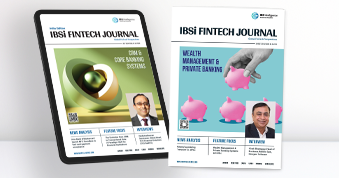
- Most trusted FinTech journal since 1991
- Digital monthly issue
- 60+ pages of research, analysis, interviews, opinions, and rankings
Other Related News
Related Reports

US FinTech Market Landscape & Vendor Analysis 2026
Know More
Global Digital Banking Market Landscape & Vendor Analysis Q2 2026
Know More
Wealth Management & Private Banking Systems Report Q4 2025
Know More
US FinTech Market Landscape & Vendor Analysis 2026
Know More