 Cedar-IBSi FinTech Labs
 Analyst Briefings
 Get in touch
 Back
Back
The Monday Roundup: what we are watching this week | Feb 23rd
By Puja Sharma
 The Monday Roundup sets the scene for the week’s biggest news stories, industry deals, and upcoming events. For Prime subscribers only.
Stablecoins enter regulated finance
 Global payments provider Payoneer has introduced stablecoin functionality within its platform, enabling businesses to receive, hold, and send digital dollar-pegged assets as part of their cross-border financial operations. The new capabilities will be powered by Bridge, a stablecoin infrastructure provider owned by Stripe.
The offering is designed to support end-to-end stablecoin workflows embedded directly into the Payoneer environment. Businesses will be able to accept customer payments in stablecoins, use them to pay international suppliers or contractors, and convert funds into local currencies for withdrawal to bank accounts when required.
The rollout comes as stablecoins gain traction for commercial use cases, particularly in cross-border payments, where they offer faster settlement, continuous availability, and programmable transaction capabilities. However, operational complexity, regulatory uncertainty, and fragmented conversion processes have limited adoption, especially among small and medium-sized businesses (SMBs) in emerging markets. By integrating custody, conversion, and compliance within a single interface, Payoneer aims to simplify access to digital asset-based payments for its global customer base of nearly two million businesses.
 Stripe-owned Bridge, a stablecoin orchestration platform, has received conditional approval from the Office of the Comptroller of the Currency (OCC) to organise as a federally chartered national trust bank. Filed in October and approved in mid-February, the application marks a significant step in integrating digital assets into the regulated banking system. With this charter, Bridge will be authorised—pending final approval—to issue stablecoins, provide custody services for digital assets, and manage reserves under direct OCC oversight. The move positions Bridge to support enterprises, FinTechs, and institutions in building secure financial products on top of blockchain infrastructure.
This approval follows similar decisions granted to other digital asset firms such as Circle, Ripple, and Paxos, signalling regulators’ growing willingness to formalise stablecoin operations within the U.S. banking framework. However, industry groups and lawmakers have urged caution, emphasising the need for comprehensive rules around digital assets before widespread adoption. For Bridge, the charter represents both an opportunity and a responsibility: to demonstrate that stablecoins can underpin a programmable financial system while meeting stringent regulatory standards. The decision highlights the evolving balance between innovation and oversight in the digital finance sector.
Embedding financial services into everyday retail
 AI-driven WealthTech firm Jump has secured $80 million in Series B funding, led by Insight Partners, with participation from F-Prime, Allianz Life Ventures, TIAA Ventures, and Peterson Partners. Existing backers such as Battery Ventures, Sorenson Capital, Pelion Venture Partners, Citi Ventures, and several angel investors also joined the round. This latest raise brings Jump’s total funding to $105 million, following its $20 million Series A last year.
Founded by experienced FinTech entrepreneurs, Jump has rapidly scaled to serve 27,000 financial advisors in under two years, adding more than 2,000 new advisors monthly. Its AI-powered platform is used across independent advisors, large RIAs like Focus Financial Partners, broker-dealers including LPL Financial and Cetera, and institutions such as Allianz Life and Manulife. The technology has already processed millions of tasks for firms managing an estimated $12 trillion in client assets.
 Morocco-based FinTech WafR has raised $4 million in an oversubscribed seed round, co-led by LoftyInc Capital, Attijariwafa Ventures, and Al Mada Ventures, with continued support from UM6P Ventures and First Circle Capital. Founded in 2021 by Ismail Bargach and Reda Sellak, WafR focuses on digitising neighborhood corner shops to serve as last-mile access points for financial services.
The company currently operates a network of nearly 20,000 active outlets across Morocco, enabling services such as airtime top-ups, bill payments, and digital transactions. With the new funding, WafR plans to expand its distribution network and broaden its offerings to include peer-to-peer transfers and nationwide remittances, positioning local merchants as critical enablers of financial inclusion.
By embedding financial services into everyday retail environments, WafR aims to bridge gaps in access and empower underserved communities. The investment reflects growing confidence in Morocco’s FinTech ecosystem, which is attracting attention for innovative models centred on embedded retail finance. WafR’s strategy highlights how small shops can evolve into digital financial hubs, strengthening the country’s push toward inclusive, technology-driven economic growth.
What is the Buzz
 Luxembourg has unveiled NextFin Asia, a new investment initiative designed to support Southeast Asian FinTech startups focused on advancing financial inclusion. The fund will directly invest in companies participating in the third edition of the Catapult: Inclusion SE Asia programme, organised by the Luxembourg House of Financial Technology (LHoFT). Unlike previous years, which emphasised acceleration and mentorship, this edition combines capital investment with institutional guidance, offering startups both funding and strategic support to scale across ASEAN markets.
The initiative is backed by the Luxembourg Ministry of Foreign and European Affairs and ADB Ventures, the venture arm of the Asian Development Bank, reflecting a strong commitment to inclusive finance. The 2026 programme will begin in Luxembourg in June and continue at the Singapore Fintech Festival in November. Since its inception, Catapult has supported more than 115 FinTech startups from Africa and Asia, helping expand access to financial services for underserved communities.


IBSi FinTech Journal
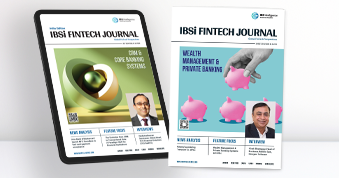
- Most trusted FinTech journal since 1991
- Digital monthly issue
- 60+ pages of research, analysis, interviews, opinions, and rankings
Other Related News
Related Reports
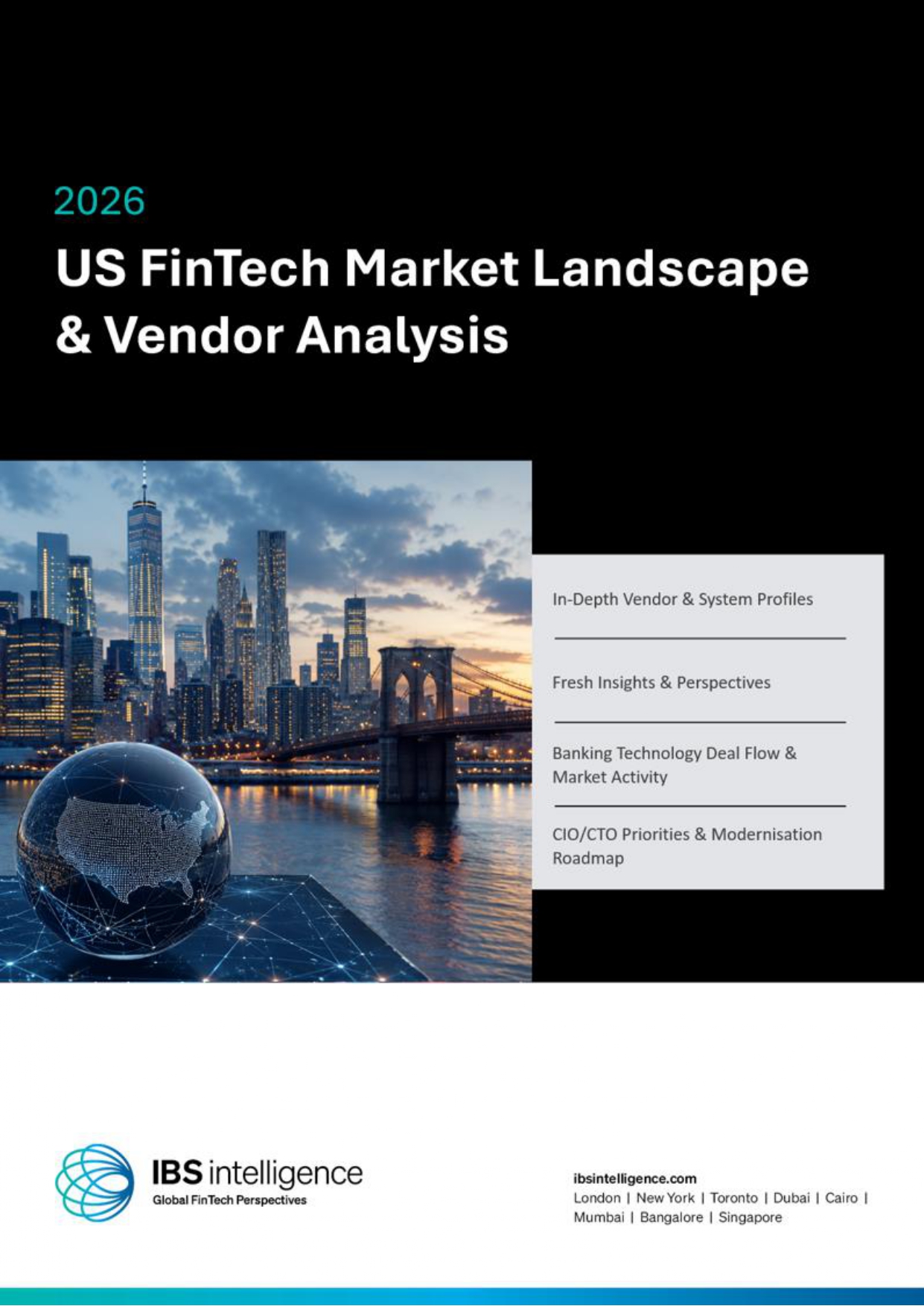
US FinTech Market Landscape & Vendor Analysis 2026
Know More
Global Digital Banking Market Landscape & Vendor Analysis Q2 2026
Know More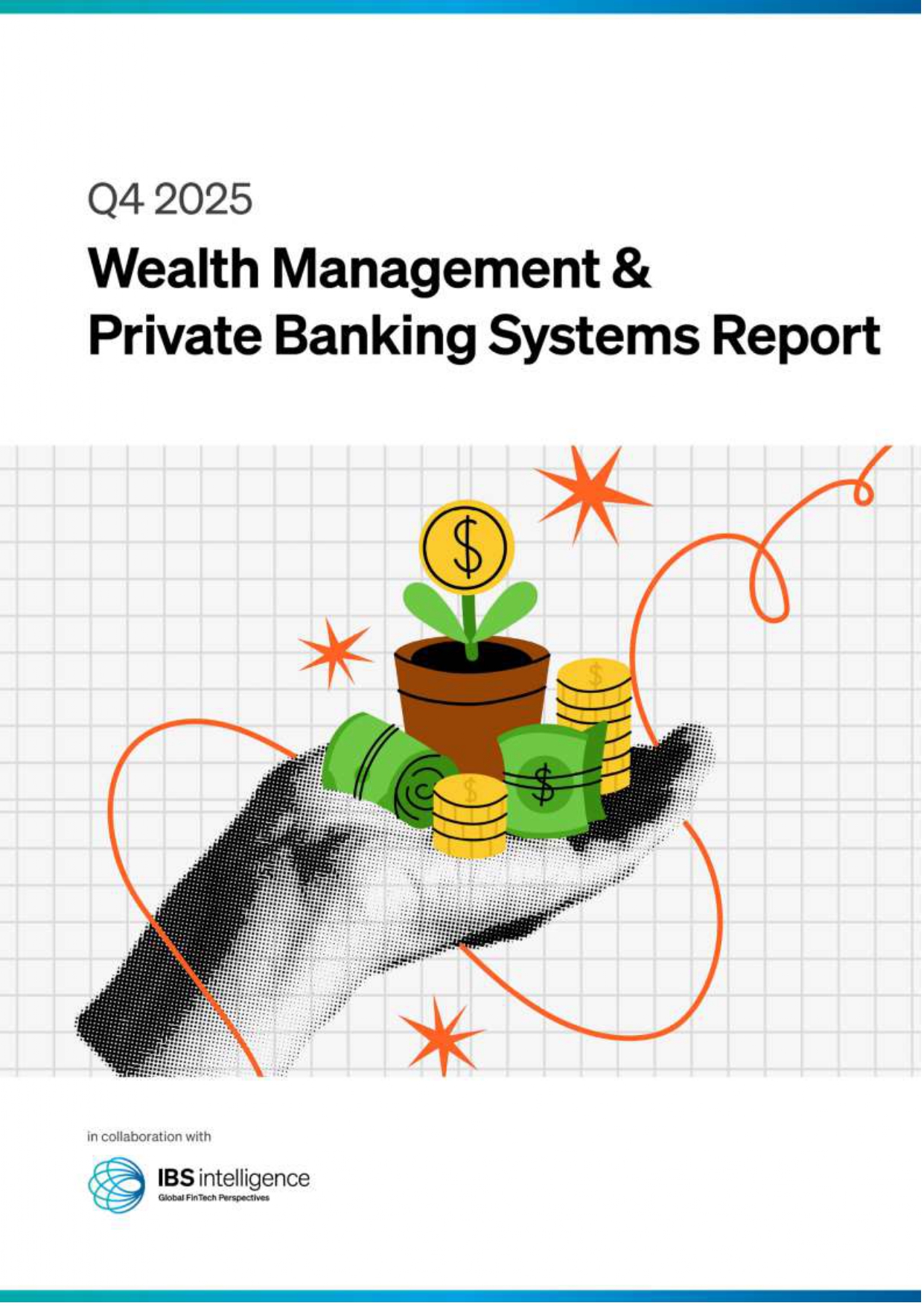
Wealth Management & Private Banking Systems Report Q4 2025
Know More
US FinTech Market Landscape & Vendor Analysis 2026
Know More