 Cedar-IBSi FinTech Labs
 Analyst Briefings
 Get in touch
 Back
Back
B2B Payments are shaping buyer confidence in 2026

By Brandon Spear, CEO at TreviPay
Buyer confidence is increasingly shaped by the way a merchant structures and manages payments. We’re seeing this rooted in the environment in which companies are operating today. Sustained economic uncertainty continues to pressure finance teams to preserve working capital and manage risk carefully. At the same time, AI and digital tools have elevated expectations for transparency, speed and predictability across B2B transactions.
These forces are reshaping how business buyers evaluate merchant options, with 91% of B2B decision-makers saying that easy, secure payments are critical to driving business growth. The implication is straightforward. Payment experience influences buyer behaviour in ways extending well beyond operational efficiency. How payments are designed and executed affects whether transactions move forward, how loyal buyers remain and how consistently businesses can operate.
Four themes stand out this year to help merchants better capitalise on sustainable B2B revenue. Together, they illustrate how payments are shifting from a transactional endpoint to strategic infrastructure to shape buyer confidence and long-term performance.
- Order-to-Cash Becomes a Strategic Discipline
As payments experience becomes part of how buyers assess whether a transaction will move smoothly, the order-to-cash (O2C) process comes under closer scrutiny. For a long time, teams treated O2C as a back-office process to refine after growth decisions were made. That distinction becomes harder to maintain when payment experience influences whether a buyer proceeds at all.
Gaps in the process tend to surface at the worst possible moments. Disconnected systems, manual reconciliation and inconsistent invoicing introduce uncertainty as buyers finalise a purchase. Approval delays or billing errors slow cash flow, interrupt momentum and raise doubts about how reliably a merchant operates.
To reduce friction, many organisations embed payments directly into the systems where purchasing decisions occur. Purchase order approvals can trigger settlement without additional handoffs. Invoicing aligns more closely with how transactions are structured while reconciliation becomes less frequent because payment and transaction data connect from the start.
None of this changes the underlying transaction. It changes how predictable the experience feels. When transactions move seamlessly through the systems businesses already use, payments cease to be a step at all. Instead, they operate invisibly, woven directly into those systems, making them so seamless that buyers hardly notice them at all.
- AI Shifts the Focus from Processing to Judgment
Once automation is embedded into core payments workflows, the primary challenge shifts. Processing transactions becomes less of a constraint, allowing decision-making to become the focus.
Automation in finance is not new, but its role is evolving. Historically, automation reduced manual effort without materially changing outcomes. The next phase places more emphasis on intelligence, particularly in credit, invoicing and collections. This is where approaches like Zero Touch A/R come into play—not as a replacement for oversight, but as a way to remove routine intervention from processes that are already well defined.
AI-powered tools will support real-time credit decisioning, invoicing systems will be better equipped to handle contractual complexity and collections activity will move earlier in the cycle. A/R teams will be flagged for potential issues before invoices go unpaid. With AI-driven credit risk and A/R automation, these activities operate continuously in the background, escalating exceptions rather than requiring constant manual involvement.
The value here extends beyond efficiency. Buyers gain clearer expectations around approval, billing and payment timing. Finance teams gain earlier visibility into exposure and cash flow, making adjustments easier. Importantly, this doesn’t eliminate the need for human expertise. Buyers still expect transparency, accountability and the ability to resolve issues with people who understand the context. AI supports those interactions by surfacing relevant insight, not replacing judgment.
- Payment Methods Evolve at Different Speeds
Even as digital infrastructure improves, change across payment methods remains uneven. Checks continue to play a role in many B2B environments, often reflecting internal controls, audit requirements or system constraints. Still, we’ll see buyers continue to look for greater flexibility, enabled by integrated systems.
As eInvoicing, ACH and other digital options become easier to connect to ERP and accounting systems, organisations can reduce reliance on checks without disrupting established processes. Over time, migration becomes part of broader modernisation rather than a forced conversion.
For buyers, choice matters because it aligns with internal workflows. For merchants, predictability matters because it reduces manual handling and risk. Modern payment infrastructure allows both priorities to coexist, supporting confidence on both sides of the transaction.
- Simplifying Cross-Border Payments to Support scale
For companies looking to expand into new markets or conduct more business online in 2026, cross-border payments remain a source of operational friction. Regulatory variation, currency management and compliance requirements can slow transactions expected to feel routine.
International payments shouldn’t feel different from domestic ones. Achieving this requires embedding compliance, localisation and currency handling directly into payment processes. When cross-border transactions are completed without additional friction, expansion becomes easier to manage and less resource-intensive.
For buyers, this consistency reduces hesitation. For finance teams, it provides confidence controls remain intact as volume and complexity increase.
Advice for Finance Leaders in 2026
Taken together, these themes point to a broader redefinition of B2B payments. Embedded workflows improve reliability. Intelligent automation improves decision-making. Flexible payment options support buyer needs. Simplified cross-border processes enable scale.
The goal is to make B2B payments so seamless that buyers hardly notice them at all. Incremental improvements to reduce manual effort, improve accuracy and increase visibility can have a meaningful impact when applied across the O2C cycle. This will influence buyer confidence, operational performance and the ability to grow with control.
As economic uncertainty persists and AI becomes more embedded in finance operations, organisations treating payments as strategic infrastructure will be better positioned to operate with clarity and consistency. Payments may still occur at the end of a transaction, but their impact is felt well before.
IBSi News

Get the IBSi FinTech Journal India Edition
- Insightful Financial Technology News Analysis
- Leadership Interviews from the Indian FinTech Ecosystem
- Expert Perspectives from the Executive Team
- Snapshots of Industry Deals, Events & Insights
- An India FinTech Case Study
- Monthly issues of the iconic global IBSi FinTech Journal
- Attend a webinar hosted by the magazine once during your subscription period
₹200 ₹99*/month
* Discounted Offer for a Limited Period on a 12-month Subscription
IBSi FinTech Journal
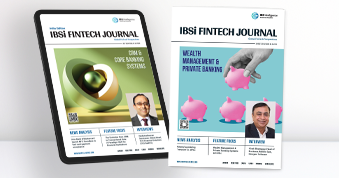
- Most trusted FinTech journal since 1991
- Digital monthly issue
- 60+ pages of research, analysis, interviews, opinions, and rankings
Other Related Blogs
September 29, 2026
Your next loan officer might not be a human, and that’s not necessarily a bad thing
Read MoreSeptember 15, 2026
Private credit has Matured. Operational Excellence is the Next Differentiator
Read MoreRelated Reports
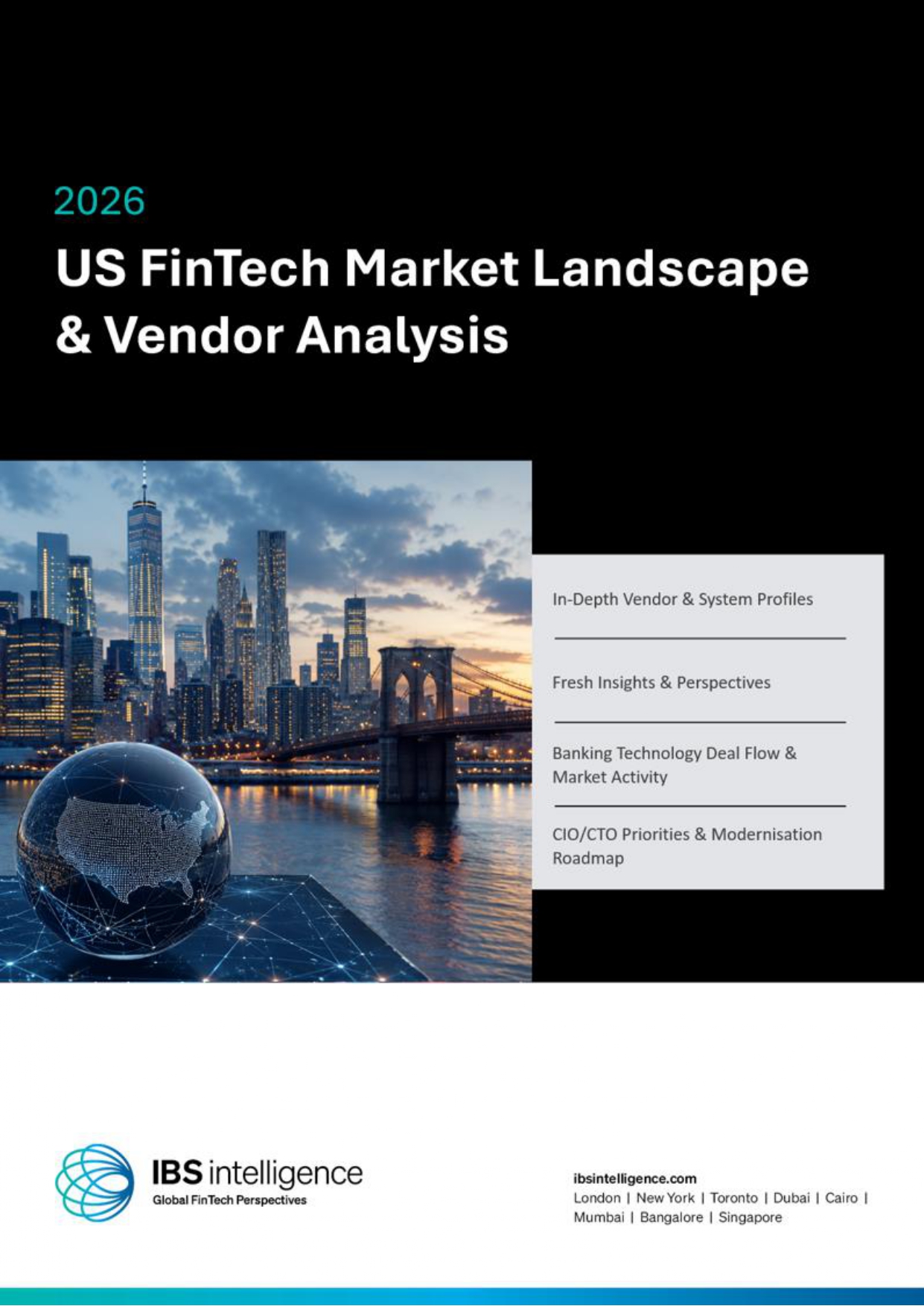
US FinTech Market Landscape & Vendor Analysis 2026
Know More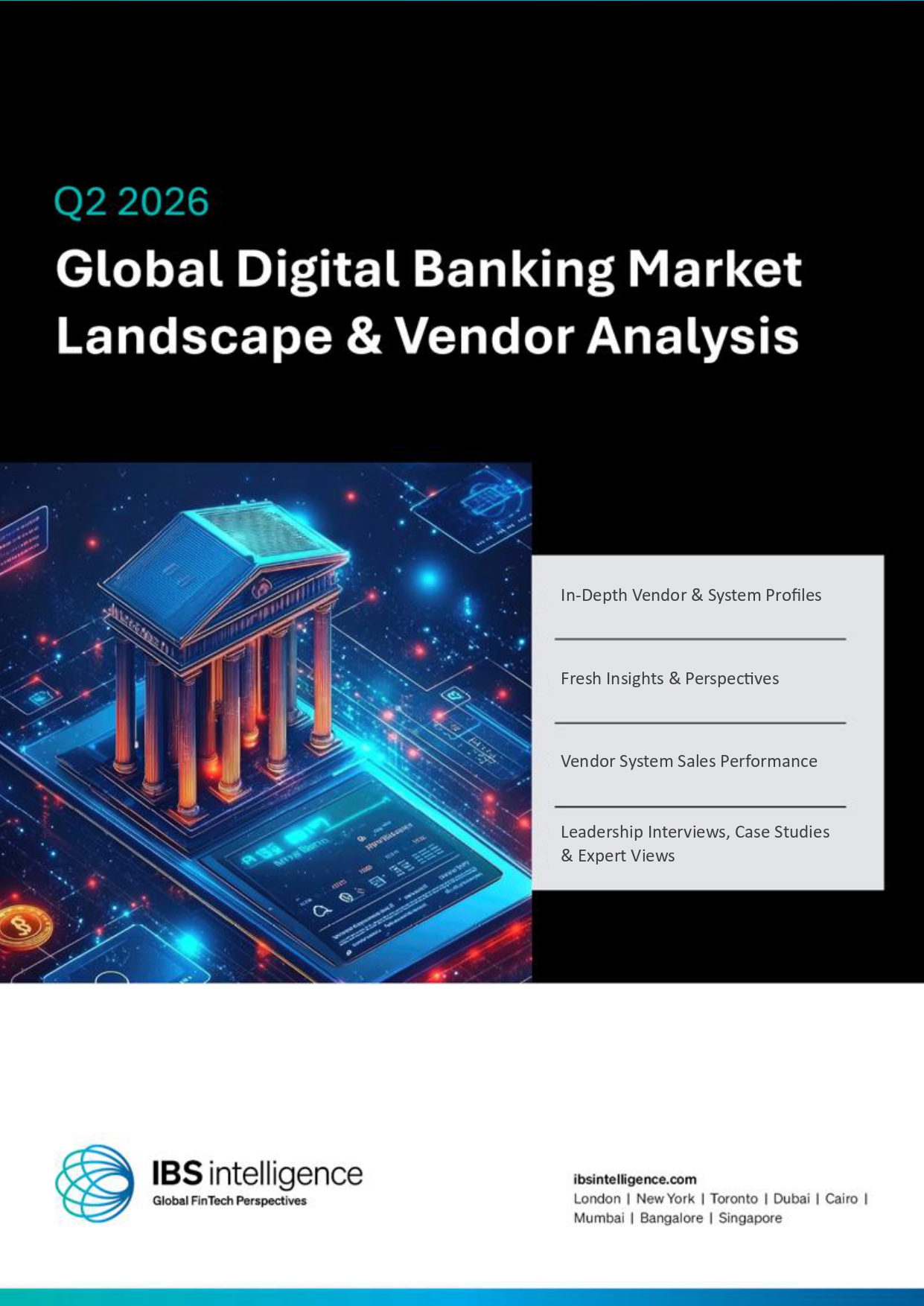
Global Digital Banking Market Landscape & Vendor Analysis Q2 2026
Know More
Wealth Management & Private Banking Systems Report Q4 2025
Know More
US FinTech Market Landscape & Vendor Analysis 2026
Know More