 Cedar-IBSi FinTech Labs
 Analyst Briefings
 Get in touch
 Back
Back
Ethical banking goes mainstream: Interview with Shabir Chohan, CEO, Al Baraka Bank South Africa
By Puja Sharma
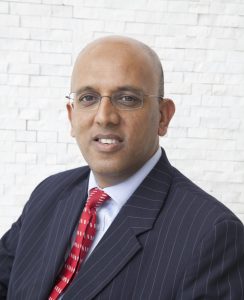
From digital-first Islamic banking to Shari’ah-compliant SME finance, Al Baraka Bank South Africa is translating ethical principles into everyday banking solutions. Cross-border capabilities, security-first design, and values-led innovation are shaping its path toward mainstream relevance.
In conversation with Shabir Chohan, CEO of Al Baraka Bank South Africa, IBS Intelligence explores how Islamic banking is evolving into a mainstream ethical finance model in the country. From digital-first, Shari’ah-compliant banking and SME-focused innovation to cross-border trade finance and rising cyber resilience, Chohan shares how Al Baraka is leveraging group strength, local partnerships, and technology to drive sustainable growth while staying anchored in transparency, trust, and values-led finance.
Islamic banking is gaining global traction. How is Al Baraka Bank SA positioning itself to lead locally?
Islamic banking is gaining that traction because people, I think, are looking for something more grounded: resilience, transparency and values, especially in uncertain times. In South Africa, we are seeing that this creates a real space for ethical banking to move into the mainstream, and that’s where I see Al Baraka’s role.
When we started, we were the only bank offering Islamic banking products. What’s interesting is that our strongest growth didn’t come from being the only player — it came when others entered the market. Competition created choice, and choice built confidence. Today, Al Baraka holds around 10% of Islamic banking deposits in South Africa and roughly 40% of advances in the Islamic segment. That gives us scale, but it also brings responsibility.
My focus is on making sure we’re not seen only as a niche institution, but as a mainstream ethical bank that contributes to financial stability in this country. That means strengthening our Shari’ah governance, working closely with regulators, and making Islamic banking simpler and more accessible. Leadership in this space won’t come from standing apart. It will come from building partnerships and shaping policy within the banking system.
How is Al Baraka SA using Group platforms to build differentiated cross-border offerings?
The growth of Islamic finance in Africa is being driven by ethical investment demand, infrastructure needs and cross-border trade. As part of the Al Baraka Group, we’re in a good position to turn that momentum into something practical for South African businesses.
We’re using the Group’s trade finance and treasury to offer Shari’ah-compliant cross-border solutions — from structured facilities for importers and exporters to foreign-currency products backed by Group strength. We’re also building shared digital platforms across Al Baraka markets to reduce friction in cross-border transactions. One thing I’m realistic about is harmonisation. Islamic finance isn’t the same everywhere. Each country has its own rules and interpretations, so progress takes time. That’s why our approach is practical: connect markets first, share experience and build tools that work within the systems we have.
Through this, our clients get global reach without losing the ethical confidence they expect from Al Baraka. As regional trade grows, these capabilities will become a bigger part of how we support internationalisation.
How are you strengthening trust and security amid rising cyber and fraud risks?
Cyber and fraud risks are now part of everyday banking, especially as everything moves online. In Islamic finance, trust isn’t just good business; it’s truly a responsibility. That means that protecting customers’ money and data is both a regulatory duty and a Shari’ah obligation.
Through my role at SABRIC, I see industry fraud trends, which help us stay proactive. We therefore strengthen authentication, improve monitoring, upgrade controls and invest in digital resilience to stay ahead of increasingly sophisticated threats. We’ve also modernised our risk framework to align with global best practice, while keeping Shari’ah considerations central to our decision-making. But we also know that technology on its own isn’t enough. A strong security culture depends on people. That’s why we focus on staff awareness, customer education and close collaboration with industry partners.
Fraud pressure in South Africa is high, especially in the digital space, and that forces banks here to move quickly. My priority is to ensure customers know their trust is taken with the utmost seriousness. That means we build robust security around key areas such as transparency, vigilance and ethical responsibility,
How is Al Baraka addressing SME financing needs through Shari’ah-compliant innovation?
As in many economies, SMEs are the backbone of our South African economy. Despite this, many still struggle to access funding. Islamic finance has a focus on partnership and shared risk, and this makes it particularly suited to closing that gap. In response, we’re reshaping our SME offering to make it more flexible and more in tune with the challenges that small businesses actually face. For me, innovation here isn’t just about products; it’s instead about approach. We’re refining our Musharakah and Murabaha structures, building sector-specific solutions and forming partnerships that combine funding with practical support. At the same time, we’re piloting digital tools that speed up applications without losing the human connection SMEs value.
One thing we’ve learned is that SME banking can’t be done at arm’s length. Relationships matter. When businesses struggle, your first instinct should be to engage and find solutions. That approach has helped us manage risk and support clients through tough periods.
What excites me is making Islamic SME finance a mainstream option, which gives entrepreneurs ethical, sustainable funding that genuinely supports growth and jobs.
What does a digital-first, Shari’ah-compliant bank look like, and how is Al Baraka moving toward that vision?
It is where technology makes life easier for customers, without compromising on ethics or transparency. That for me isn’t about being flashy. It’s about removing friction and widening access, and while keeping Shari’ah assurance at the centre.
In South Africa, customers don’t want to visit branches for what they can do on their phones. That applies just as much to Islamic banking. Over the past two years, we’ve invested in remote onboarding, stronger digital channels, online transaction platforms and multi-currency wallet solutions so clients can bank with us wherever they are. A good example is our Vivere Forex card, which customers can open from home. It removes distance as a barrier, but still operates within strict Shari’ah guidelines. The difference isn’t always obvious to customers, but it matters — for example, we structure income through permissible mark-ups rather than conventional commissions.
The future we’re building is a mobile-first Islamic bank that combines the speed of fintech with the trust people expect from Shari’ah principles. Digital transformation isn’t an add-on for us — it’s central to how we serve the next generation.
Which emerging themes will define Islamic finance in SA over the next five years?
I believe these themes will be digital Islamic banking, impact-driven Sukuk, and green finance.
Digital Islamic banking will keep growing as customers look for convenience without compromising on principles. That’s why we’re investing in remote onboarding, stronger digital platforms and multi-currency solutions, so people can bank with us wherever they are. Impact-driven Sukuk offer a real opportunity to fund infrastructure, renewable energy, SME growth and social upliftment. The next phase is about making sure this capital delivers real social and environmental outcomes — not just financial returns. Green and ethical finance will also play a bigger role as sustainability becomes more important in South Africa. Islamic finance fits naturally with that shift, and I expect ethical considerations to influence banking choices more strongly in the years ahead.
With the right collaboration, I believe the Islamic banking sector here can double in size over the next four to five years. Attending the recent Al Baraka Islamic Forum in London reinforced how important shared learning and internal case studies are in making that happen.

IBSi FinTech Journal
- Most trusted FinTech journal since 1991
- Digital monthly issue
- 60+ pages of research, analysis, interviews, opinions, and rankings
Other Related News
Related Reports
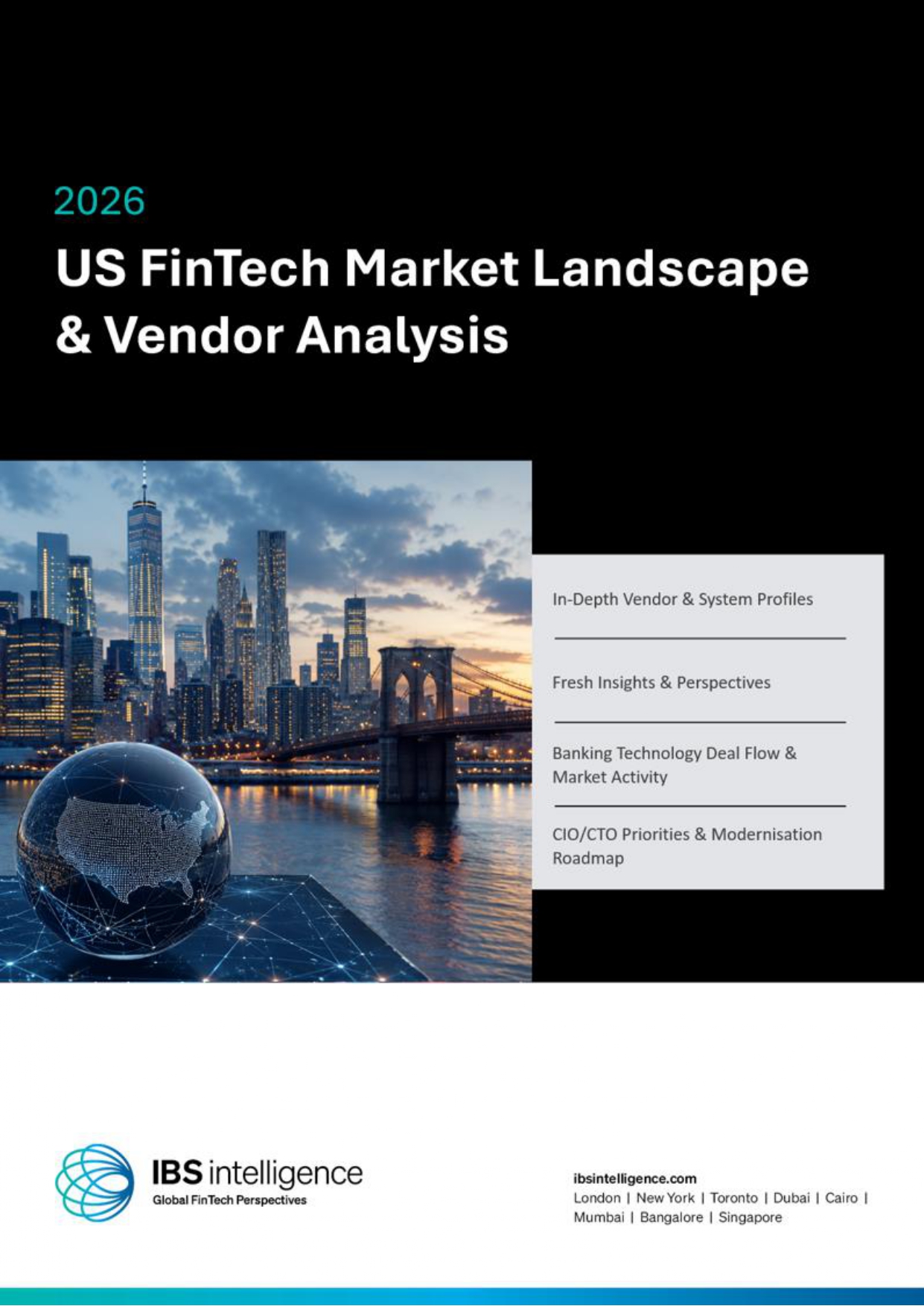
US FinTech Market Landscape & Vendor Analysis 2026
Know More
Global Digital Banking Market Landscape & Vendor Analysis Q2 2026
Know More
Wealth Management & Private Banking Systems Report Q4 2025
Know More
US FinTech Market Landscape & Vendor Analysis 2026
Know More