 Cedar-IBSi FinTech Labs
 Analyst Briefings
 Get in touch
 Back
Back
FinTech and digital transformation: Why women will shape the next era of finance

By Lalua Rahsiad, Managing Partner at Welbeck and Bradwell Asia
FinTech and digital transformation are reshaping the global financial system at an unprecedented pace. What began as digital disruption has become a structural shift, redefining how money moves, how risk is managed and how people interact with financial institutions. Yet amid rapid adoption of artificial intelligence, blockchain and embedded finance, one critical factor remains underrepresented in mainstream debate: the role of women in shaping the future of digital finance.
From my perspective, the future of finance will not be shaped by technology alone, but by who designs it, who accesses it and who benefits from it.
FinTech has reshaped how individuals and businesses interact with money. Digital payments, mobile wallets, robo-advisory platforms and alternative financing models have lowered entry barriers and expanded financial access at scale. According to global industry estimates, consumer FinTech adoption now exceeds 64%, reflecting how digital finance has become the default rather than the alternative.
In Malaysia, FinTech-led transformation has been reinforced by one of the world’s most advanced Islamic finance ecosystems. As of mid-2025, Islamic banking assets reached RM1.58 trillion, accounting for 38.7% of total banking assets, with Islamic financing representing 47.5% of the national banking system (New Straits Times, 2025). Globally, Islamic finance assets are projected to reach $7.5 trillion by 2028 (The Edge Malaysia, 2025), driven by rising demand for ethical, transparent and impact-oriented financial solutions. FinTech has been instrumental in enabling this growth through scalable access, digital distribution and improved governance.
Yet digital transformation is not purely a technological exercise. Despite increasingly sophisticated platforms, fragmented financial literacy, inconsistent financial habits and lifestyle pressures continue to undermine engagement and trust. Banking technology must therefore evolve beyond efficiency and automation toward human-centred design.
This is where women engagement becomes critical. Women influence an estimated $32 trillion in global consumer spending, yet they remain significantly underrepresented in FinTech leadership and capital allocation. Less than three percent of global venture capital funding flows to women-led startups, including FinTech, despite consistent evidence that diverse leadership teams deliver stronger governance, resilience and long-term returns.
Women are also more likely to engage with financial solutions that prioritise security, education, financial wellness and long-term stability. These priorities align closely with the next phase of FinTech development, particularly in digital financial literacy, ethical finance and inclusive entrepreneurship. When women participate meaningfully as founders, designers, regulators and educators, FinTech adoption deepens and financial outcomes improve across households and communities.
Recent global forums underscore this broader shift in economic power and financial philosophy. At the 4th AlBaraka Summit in London on 18 November 2025, discussions highlighted the growing convergence between Islamic finance, FinTech innovation and global ethical investment. This was also reinforced at the 47th ASEAN Summit in Kuala Lumpur in October 2025, where leaders emphasised digital cooperation, supply chain resilience and ASEAN’s expanding role in the global economy (Malay Mail, 2025).
ASEAN’s Islamic finance industry alone is projected to surpass $1 trillion by 2026 (Asian Banking & Finance, 2025), supported by SME development, climate-aligned sukuk and social-impact investment. Digital platforms sit at the heart of this growth, but their effectiveness depends on inclusive participation – particularly from women, who remain an underutilised force in financial decision-making and innovation.
As this transformation accelerates, global platforms such as the World Islamic Digital Economy Summit (WIDES) play an increasingly important role. Scheduled to be held in July 2026 in Jakarta, Indonesia, WIDES brings together policymakers, banks, FinTech leaders, investors and educators to move the conversation beyond innovation toward impact. From our perspective, digital finance cannot be considered successful if it scales technology without scaling participation.
The future of FinTech and banking technology will not be defined by speed alone, but by relevance, trust and social value. Women are not peripheral to this transformation; they are central to its sustainability. As finance becomes more digital and values-driven, the ecosystems that thrive will be those that place inclusion at the heart of innovation – recognising it not as a social add-on, but as a strategic imperative.
As FinTech continues to scale and banking technology evolves, the most competitive ecosystems will be those that place people first, planning next and progress always.
IBSi News

Get the IBSi FinTech Journal India Edition
- Insightful Financial Technology News Analysis
- Leadership Interviews from the Indian FinTech Ecosystem
- Expert Perspectives from the Executive Team
- Snapshots of Industry Deals, Events & Insights
- An India FinTech Case Study
- Monthly issues of the iconic global IBSi FinTech Journal
- Attend a webinar hosted by the magazine once during your subscription period
₹200 ₹99*/month
* Discounted Offer for a Limited Period on a 12-month Subscription
IBSi FinTech Journal
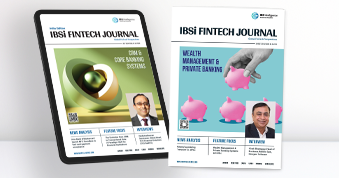
- Most trusted FinTech journal since 1991
- Digital monthly issue
- 60+ pages of research, analysis, interviews, opinions, and rankings
Other Related Blogs
October 14, 2026
Agentic AI could transform UK banks – but only if they stop playing it safe
Read MoreOctober 06, 2026
Ecosystems, Not Tools: Why Partner Strategy Now Defines Global FinTech Winners
Read MoreRelated Reports
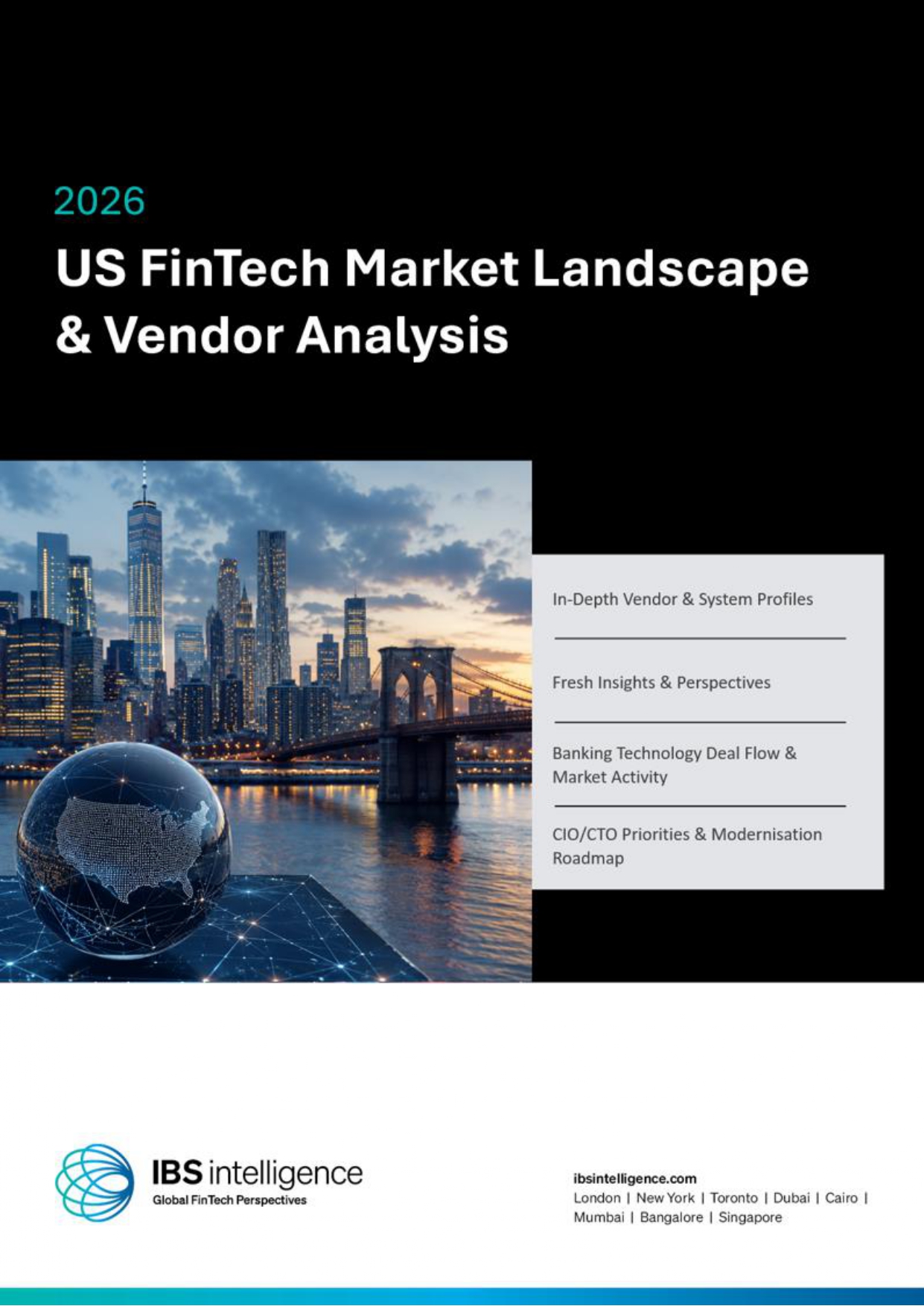
US FinTech Market Landscape & Vendor Analysis 2026
Know More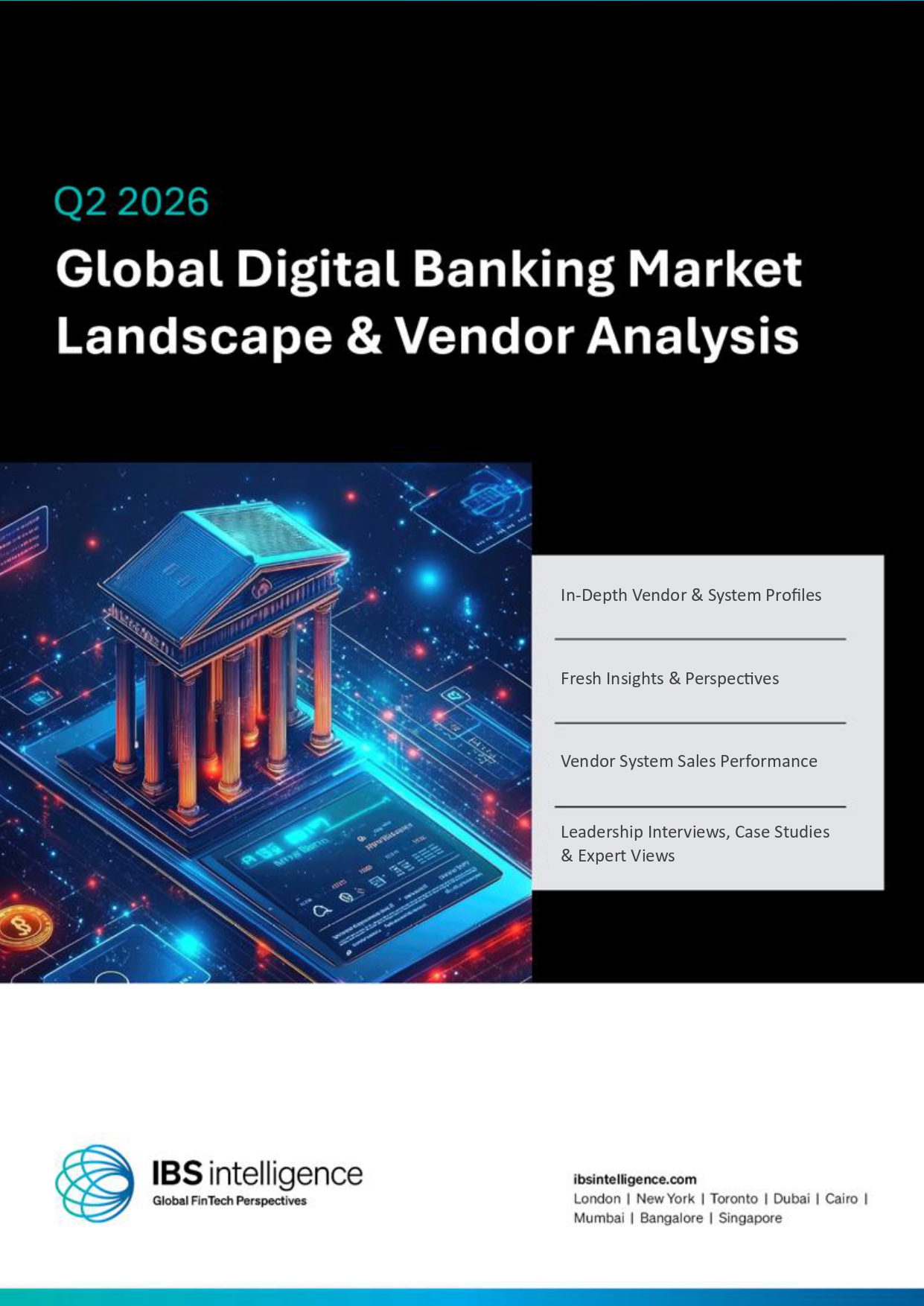
Global Digital Banking Market Landscape & Vendor Analysis Q2 2026
Know More
Wealth Management & Private Banking Systems Report Q4 2025
Know More
US FinTech Market Landscape & Vendor Analysis 2026
Know More