 Cedar-IBSi FinTech Labs
 Analyst Briefings
 Get in touch
 Back
Back
Mobile wallet use surges in Bahrain as cash declines
By Vriti Gothi

Mobile wallet adoption is accelerating in Bahrain, while reliance on cash continues to decline, according to Visa’s latest Where Cash Hides report, highlighting a structural shift in consumer payment behaviour across the Kingdom.
The research, released on 21 January 2026, shows that 65% of consumers in Bahrain are now largely non-cash users, making most of their payments through cards or mobile devices. This marks a seven-percentage-point increase compared to last year, signalling growing comfort with digital payment methods. At the same time, overall cash usage has fallen to 15% of transactions.
Mobile wallets recorded one of the most notable gains. Usage increased by nine percentage points over the past year, reaching nearly one quarter of all transactions. In several categories, mobile wallets are now approaching mainstream status. Across both online and offline spending, they account for close to every second transaction—up significantly from 16% a year ago—indicating rapid consumer adoption of contactless and app-based payment solutions.
The decline in cash usage is also visible in everyday spending categories traditionally dominated by physical currency. Only 13% of surveyed consumers reported using cash for daily purchases. At petrol stations, cash usage fell by 10 percentage points year-on-year, while grocery transactions saw a six-percentage-point decline. Debit cards remain widely used for routine expenses such as fuel and groceries, suggesting that while consumers are shifting away from cash, card-based payments continue to play a foundational role.
However, cash remains relevant in specific segments of the economy. International money transfers through exchange houses are still paid in cash by 50% of Bahrain consumers, reflecting the continued importance of remittance services, particularly among migrant workers. Cash is also used for public transport (20%), peer-to-peer (P2P) payments (19%), and purchases at local markets (15%), areas where digital penetration may be influenced by infrastructure gaps, cost considerations, or user preference.
“Bahrain is seeing clear momentum behind mobile wallets, which are now used across a wide range of everyday transactions,” said Ahmed ElKaffass, Visa’s Country Manager for Bahrain. “At the same time, peer-to-peer payments remain essential, especially for migrant workers sending money abroad. These insights highlight how important speed, convenience and affordability are in shaping payment choices.”
According to the report, convenience, security and value-added benefits are key drivers of the shift toward digital payments. Debit and credit cards offer transaction transparency and reduce the risks associated with carrying cash, while enabling seamless online and in-store purchases. Mobile payments further enhance security through tokenisation, which replaces sensitive card information with unique digital identifiers, ensuring that actual card numbers are not shared during transactions.
Credit cards also provide rewards programmes, cashback incentives and travel-related benefits, features that increasingly influence consumer choice in both domestic and cross-border spending.
For Bahrain’s financial services sector, the findings signal continued momentum toward digitalisation, aligned with broader efforts to modernise the payments ecosystem. As consumer expectations evolve around speed, security and user experience, banks, FinTech firms and payment networks may look to expand digital offerings in segments where cash remains prevalent, including remittances and transport. The data suggests that while cash has not disappeared, its role in Bahrain’s payments mix is steadily narrowing.


IBSi FinTech Journal
- Most trusted FinTech journal since 1991
- Digital monthly issue
- 60+ pages of research, analysis, interviews, opinions, and rankings
Other Related News
Related Reports
US FinTech Market Landscape & Vendor Analysis 2026
Know More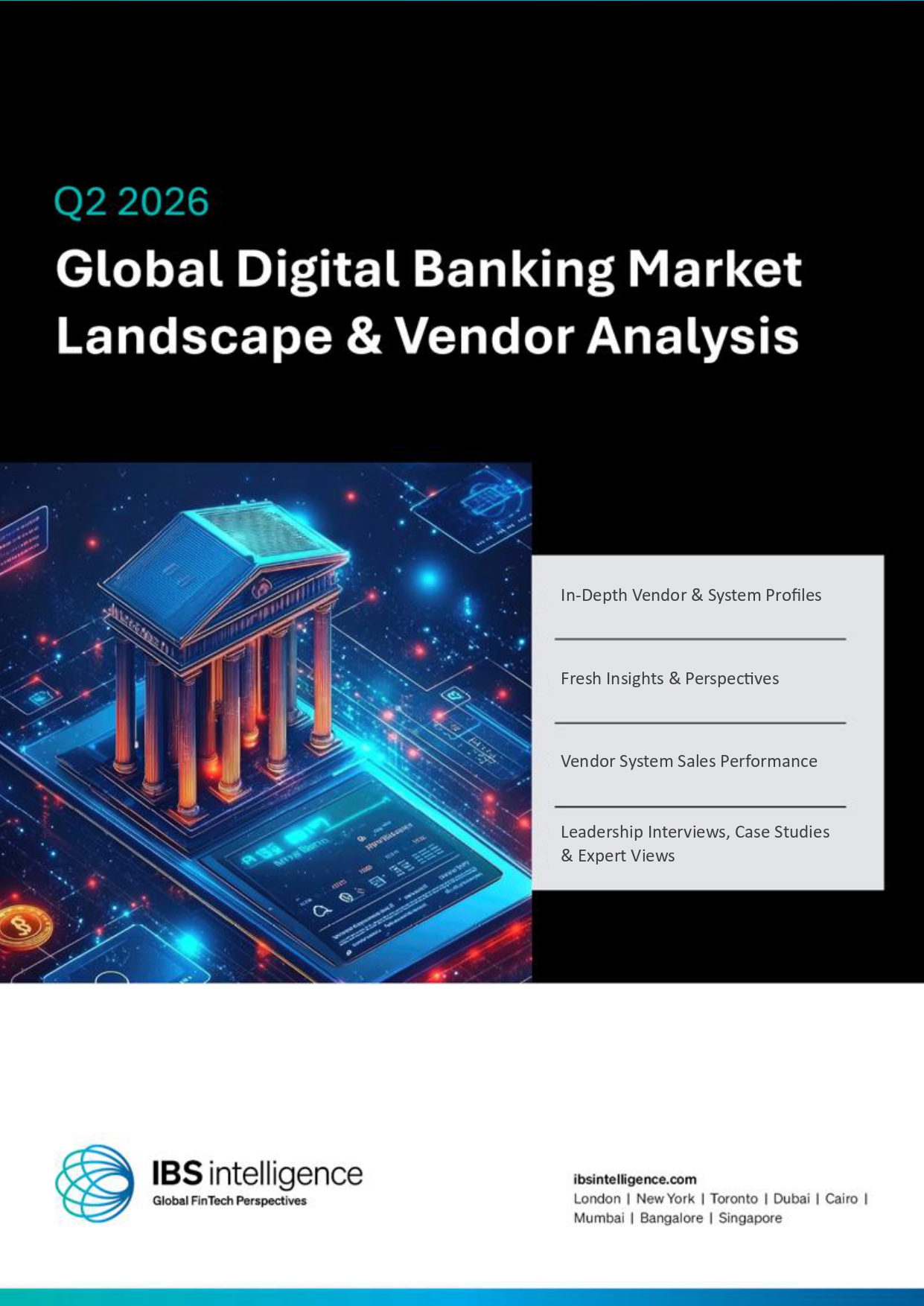
Global Digital Banking Market Landscape & Vendor Analysis Q2 2026
Know More
Wealth Management & Private Banking Systems Report Q4 2025
Know More
US FinTech Market Landscape & Vendor Analysis 2026
Know More