 Cedar-IBSi FinTech Labs
 Analyst Briefings
 Get in touch
 Back
Back
Egypt’s card payments grow, but digital wallets take the lead
By Vriti Gothi

Credit card usage in Egypt has expanded significantly over the past four years, reflecting steady growth in card-based payments and continued investment in the infrastructure required to support electronic transactions. However, recent data also suggests that the market may be approaching structural limits, as consumer behaviour increasingly shifts toward alternative digital payment channels.
According to the latest figures released by the Central Bank of Egypt (CBE), the number of credit cards in circulation rose by 61% to reach approximately 6.7 million cards by the end of June. The increase points to sustained demand for credit cards among banked consumers, supported by improvements in payment acceptance and broader availability of electronic transaction points across the country.
This growth has been accompanied by a substantial expansion in physical payments infrastructure. The number of automated teller machines increased by 52% over the same period to around 26,000 units nationwide, improving cash access and supporting card usage outside major urban centres. Meanwhile, point-of-sale (POS) terminals rose by 49% to roughly 258,000 devices, reflecting wider acceptance of electronic payments among merchants in retail, hospitality, and service sectors.
The expansion of POS terminals is particularly significant for Egypt’s payments ecosystem, as it reduces reliance on cash and encourages consumers to transact digitally for everyday purchases. Together, the rise in cards, ATMs, and POS devices highlights a coordinated effort by banks, payment providers, and regulators to modernise the country’s financial infrastructure and promote cashless transactions.
Despite this progress, the CBE data indicates that future growth in credit cards may be constrained. Penetration remains concentrated among higher-income segments, estimated at between 5% and 10% of the population, suggesting that the market is nearing saturation within its core user base. Without broader access to formal credit or changes in underwriting models, traditional plastic cards may face diminishing expansion potential in the coming years.
At the same time, Egypt’s payments landscape is evolving beyond cards. Digital alternatives, particularly e-wallets and instant payment platforms, are gaining traction as consumers seek faster, more flexible ways to transact. Platforms such as EGX-listed FinTech Fawry and the instant payment network InstaPay have seen rapid increases in user adoption, reflecting growing comfort with mobile-based and account-to-account payment solutions.
This shift signals a broader transformation in how financial services are delivered and consumed in Egypt. While credit cards continue to play an important role in the formal banking system, newer digital channels are increasingly viewed as more accessible tools for financial inclusion, especially among unbanked and underbanked populations. E-wallets and instant payments also align with regulatory efforts to reduce cash usage, improve transaction transparency, and lower the cost of payments.
For Egypt’s FinTech and banking sectors, the diverging trajectories of credit cards and alternative digital payments underscore the need to adapt product strategies. As card growth matures, innovation is likely to focus on expanding digital wallets, enhancing real-time payments, and integrating value-added services that meet changing consumer preferences. In this context, the latest CBE figures illustrate not only the scale of Egypt’s progress in electronic payments, but also the direction of its next phase of digital financial transformation.

IBSi FinTech Journal
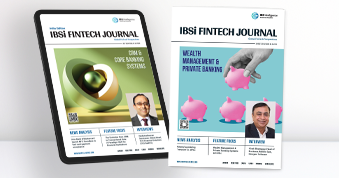
- Most trusted FinTech journal since 1991
- Digital monthly issue
- 60+ pages of research, analysis, interviews, opinions, and rankings
Other Related News
Related Reports
US FinTech Market Landscape & Vendor Analysis 2026
Know More
Global Digital Banking Market Landscape & Vendor Analysis Q2 2026
Know More
Wealth Management & Private Banking Systems Report Q4 2025
Know More
US FinTech Market Landscape & Vendor Analysis 2026
Know More